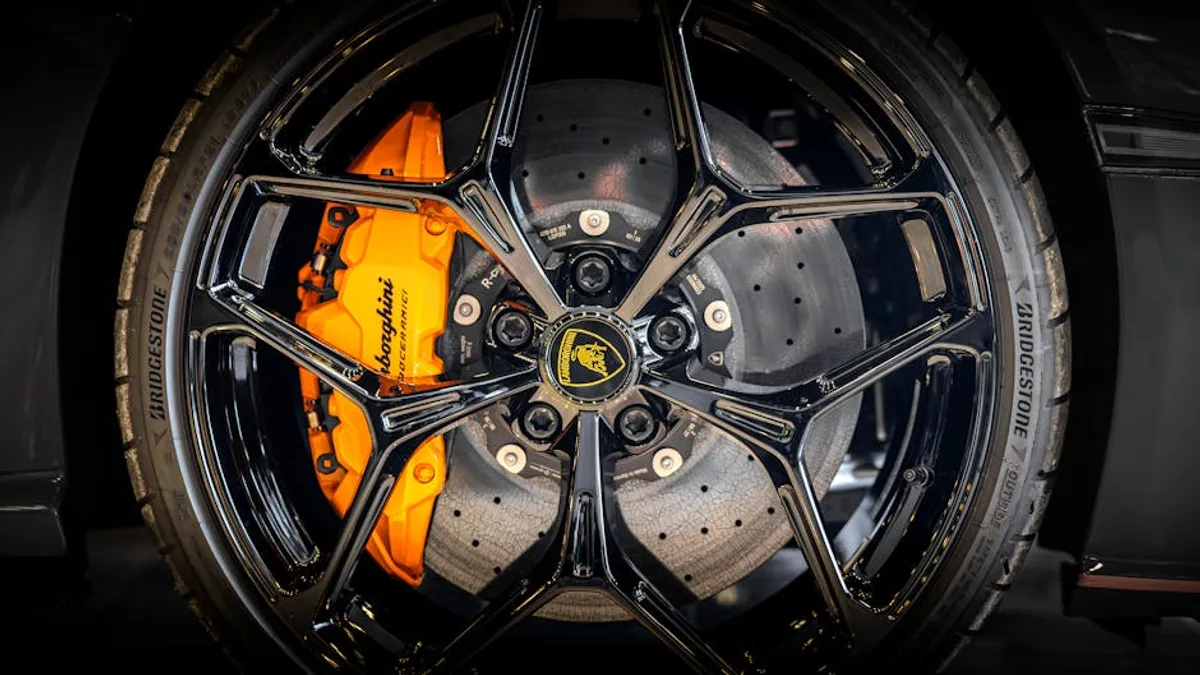
The decision between a Lamborghini and a Toyota Chaser is not a direct comparison of rivals but a fundamental choice between two distinct automotive philosophies, each catering to vastly different priorities, budgets, and driving aspirations. This isn't about which car is objectively "better," but which vehicle aligns precisely with your specific goals as a driver and owner. One represents the pinnacle of exotic performance, brand prestige, and uncompromised luxury, demanding a significant financial commitment and specialized ownership. The other offers a robust, highly tunable platform with deep roots in Japanese performance culture, providing a foundation for personalization and a more accessible entry into enthusiast driving.
Lamborghini: The Exalted Icon of Performance
A Lamborghini embodies extreme performance, dramatic design, and an unparalleled ownership experience. These vehicles are engineered for raw speed, aggressive aesthetics, and an emotional connection that transcends mere transportation. The focus is on a visceral driving sensation, often delivered through naturally aspirated V10 or V12 engines, advanced aerodynamics, and track-honed suspension systems.
Performance and Engineering Prowess
Lamborghini models, such as the Huracán or Aventador, deliver blistering acceleration figures, typically achieving 0-60 mph in under three seconds. Their engines are often high-revving, producing a distinctive exhaust note that is as much a part of the experience as the speed itself. The chassis design prioritizes rigidity and handling precision, often incorporating advanced all-wheel-drive systems, active aerodynamics, and carbon fiber construction to reduce weight and enhance performance. Braking systems feature large carbon-ceramic discs for consistent stopping power under extreme conditions. Owning a Lamborghini is about accessing a level of automotive engineering and design that few other manufacturers achieve, providing a statement of both capability and status.
Ownership Realities and Financial Commitment
The financial outlay for a Lamborghini extends far beyond the initial purchase price. New models can range from $200,000 to over $500,000, with depreciation rates that, while often slower than mainstream luxury cars, still represent a significant capital investment. Insurance premiums are substantial due to the vehicle's value, performance, and repair costs. Maintenance is highly specialized, requiring factory-trained technicians and proprietary diagnostic equipment. Routine services can cost thousands of dollars, and replacement parts, from brake pads to clutch assemblies, are significantly more expensive than those for mass-produced vehicles. Fuel consumption is also a consideration, as these high-performance engines demand premium fuel and consume it rapidly under spirited driving. The ownership experience is curated, often including exclusive events and a direct relationship with the brand, but it comes with a premium cost for every aspect.
Toyota Chaser: The Tuner's Foundation
The Toyota Chaser, particularly the JZX100 generation, represents a different kind of automotive appeal. It's a four-door sedan primarily known for its robust rear-wheel-drive platform, balanced chassis, and the highly tunable 1JZ-GTE or 2JZ-GTE engine. While not an exotic supercar, the Chaser has cultivated a dedicated following in the performance and drift communities for its modification potential and reliable Japanese engineering.
Modification Potential and Driving Dynamics
The Chaser's appeal lies in its adaptability. The 1JZ-GTE and 2JZ-GTE engines are legendary for their strength and capacity to handle significant power increases with aftermarket turbochargers, ECUs, and supporting modifications. This allows owners to tailor the car's performance precisely to their preferences, whether for street driving, drag racing, or competitive drifting. The chassis, while originating from a comfortable sedan, responds well to suspension upgrades, differential changes, and chassis stiffening, transforming it into a capable performance machine. Its relatively neutral handling characteristics and robust drivetrain make it an ideal platform for learning and executing drift techniques, a key reason for its popularity among enthusiasts.
Practicality, Reliability, and Community
Unlike a Lamborghini, the Chaser offers a degree of everyday practicality. As a four-door sedan, it provides seating for four adults and a usable trunk, making it feasible for daily driving or longer trips. Toyota's reputation for reliability extends to the Chaser, meaning that while modified examples require diligent maintenance, the underlying platform is generally robust and forgiving. Parts availability, particularly for common wear items, is broad, and the aftermarket support for performance components is extensive. Ownership is also characterized by a strong global community of enthusiasts who share knowledge, parts, and build experiences. This communal aspect is a significant draw, fostering a sense of belonging and shared passion that contrasts with the more individualistic ownership of an exotic car.
Distinguishing Your Automotive Choice
The fundamental differentiators between a Lamborghini and a Toyota Chaser dictate not just the purchase, but the entire ownership lifecycle and driving experience. Understanding these points is crucial for making an informed decision:
- Acquisition Cost: A new Lamborghini starts in the low six figures, often exceeding $300,000. A well-maintained, imported Toyota Chaser (JZX100) typically ranges from $15,000 to $40,000, depending on condition, mileage, and modifications.
- Running Costs: Lamborghini maintenance, insurance, and specialized repairs are exponentially higher. Chaser running costs are comparable to many performance sedans, with readily available parts and less specialized labor. However, heavily modified Chasers will incur higher performance-part and tuning expenses.
- Primary Purpose: Lamborghini is engineered for ultimate road performance, track days, and making a bold statement. Chasers excel as a highly modifiable platform for tuning, drifting, and enthusiast-focused driving, often serving as a capable daily driver.
- Driving Experience: Lamborghini offers a raw, visceral, high-speed experience with precision engineering. Chaser provides a balanced, engaging, and customizable experience, particularly rewarding for those who enjoy modifying and pushing a car's limits.
- Exclusivity vs. Accessibility: Lamborghini offers extreme exclusivity and brand prestige. The Chaser, while iconic in certain circles, is more accessible and represents a grassroots enthusiast culture.
- Aftermarket Support: Lamborghini relies on OEM parts and specialized tuning. The Chaser boasts an immense aftermarket for performance upgrades, aesthetic enhancements, and customization.
Pro Tip: Before committing to either vehicle, meticulously calculate not just the purchase price, but the total cost of ownership over a 3-5 year period. This includes insurance, fuel, routine maintenance, specialized repairs, and potential modification budgets. For a Lamborghini, consider a pre-purchase inspection from an independent specialist familiar with the brand. For a Chaser, assess the quality of previous modifications and potential deferred maintenance from prior owners.
Choosing Your Automotive Path
Your choice between a Lamborghini and a Toyota Chaser hinges entirely on your personal priorities and financial capacity. If your desire is for unadulterated luxury, groundbreaking performance, and the undeniable prestige of an exotic supercar, and you have the substantial budget to support both the acquisition and the specialized ownership experience, a Lamborghini is the clear path. It's a statement, an investment in a dream, and a machine designed to thrill.
Conversely, if you seek a highly engaging, customizable, and robust platform for performance driving, tuning, and community involvement, with an emphasis on accessible power and a more understated presence, the Toyota Chaser offers exceptional value. It's a car for the driver who enjoys the process of building, modifying, and mastering a vehicle, often for specific motorsport disciplines like drifting, without the exorbitant costs associated with exotic car ownership. The decision is ultimately a reflection of your automotive philosophy: raw, uncompromised luxury and performance, or a versatile, enthusiast-driven canvas.
Frequently Asked Questions
Q: Is a Lamborghini suitable for daily driving?
A: While technically possible, Lamborghinis are generally not designed for the rigors of daily commuting. Their low ground clearance, stiff suspension, and limited visibility can make urban driving challenging and increase wear on expensive components.
Q: Are Toyota Chaser parts difficult to find outside of Japan?
A: While some specific body panels or interior pieces might require importing, common mechanical parts for the engine (1JZ/2JZ) and suspension are widely available through aftermarket suppliers and specialized importers due to the engine's popularity in other Toyota models and the large enthusiast community.
Q: What is the typical horsepower of a modified Toyota Chaser?
A: A stock JDM Chaser with a 1JZ-GTE engine produces around 280 hp. With common upgrades like an improved turbocharger, exhaust, intake, and ECU tune, power figures of 400-550 hp are achievable, with more extreme builds exceeding 700 hp.
Q: Do Lamborghinis hold their value well?
A: Generally, high-demand, limited-production Lamborghini models can appreciate or hold value strongly, especially early in their lifecycle or for rare editions. However, more common models will experience depreciation, albeit often at a slower rate than mainstream luxury vehicles. The overall market and specific model demand dictate long-term value retention.