The choice between a Lamborghini and a Porsche 911 represents more than a simple vehicle purchase; it signifies an alignment with distinct automotive philosophies and driving experiences. Both brands occupy the pinnacle of sports car engineering, yet they cater to fundamentally different priorities for the discerning buyer. This comparison outlines the core distinctions to guide a purchase decision based on driving intent, aesthetic preference, and ownership expectations.
Lamborghini: The Statement of Extreme Performance
Lamborghini vehicles are engineered for immediate, visceral impact. Their design language is characterized by sharp angles, aggressive lines, and a low-slung stance that demands attention. Performance is often delivered through high-revving, naturally aspirated V10 or V12 engines (though V8 twin-turbos are now present in models like the Urus SUV and hybrid powertrains in the Revuelto), prioritizing raw power delivery and an unadulterated exhaust note.
Driving a Lamborghini is an event. The steering is direct, the acceleration brutal, and the overall experience is engineered to be dramatic. Models like the Huracán and the new Revuelto offer track-focused capabilities with advanced aerodynamics and sophisticated all-wheel-drive systems, making them formidable on a circuit. However, this focus on extreme performance often translates to compromises in daily usability, such as limited visibility, firm suspension setups, and restricted cargo space.
Best for: Buyers prioritizing unparalleled road presence, an emotional and dramatic driving experience, and a vehicle that serves as a definitive statement of luxury and performance. The ownership experience leans towards exclusivity and the thrill of a specialized, high-performance machine.
Porsche 911: Precision Engineering and Usable Performance
The Porsche 911, in contrast, embodies a philosophy of continuous refinement and engineering excellence. Its iconic silhouette has evolved over decades, maintaining recognition while integrating modern technology and performance enhancements. The 911 range is broad, encompassing everything from the capable Carrera to the track-devouring GT3 and the hyper-performance Turbo S, each offering a distinct blend of power and handling.
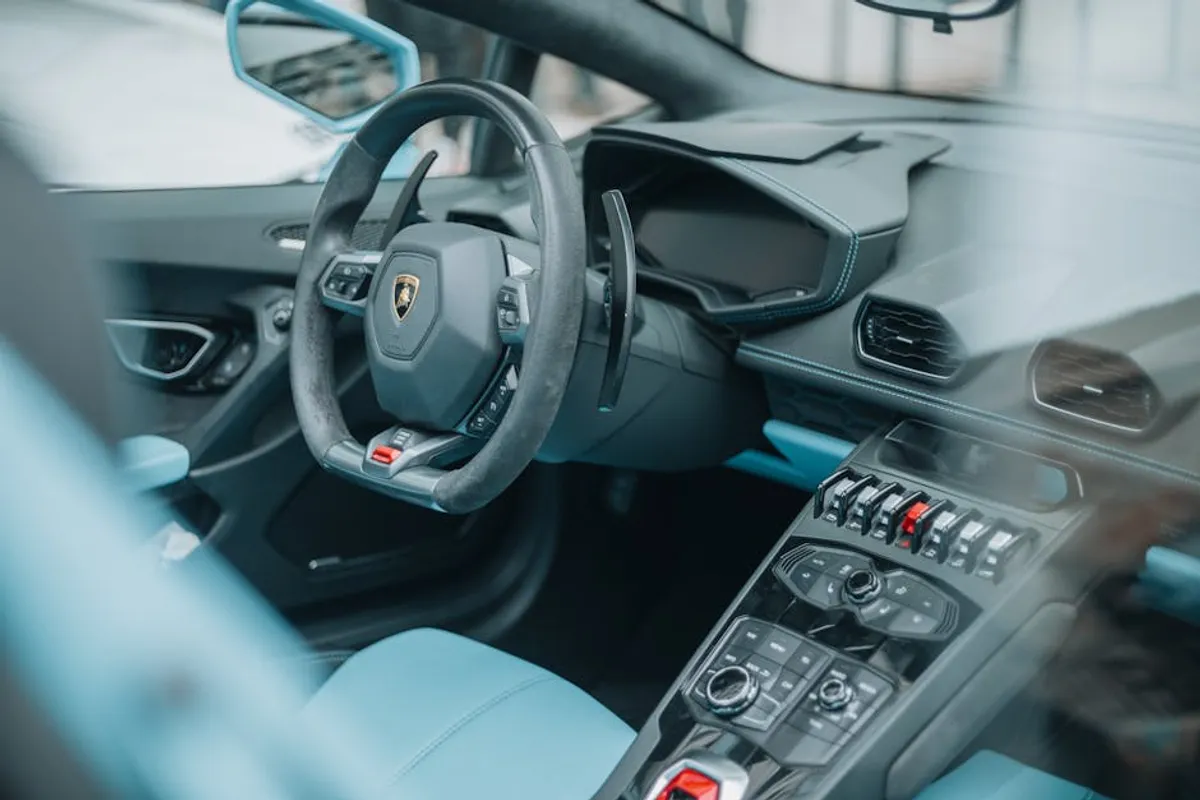
Driving a 911 is characterized by precision, balance, and driver engagement. The rear-engine layout contributes to its unique handling dynamics, providing exceptional traction and a communicative chassis. Porsche prioritizes a driving experience that is both exhilarating on demand and composed enough for daily commuting. Interiors are driver-focused, with high-quality materials and intuitive layouts, often offering more practical considerations like usable rear seats (2+2 configuration) and a front trunk.
Best for: Buyers seeking a blend of high-performance capabilities with practical usability, a rich motorsport heritage, and a vehicle renowned for its engineering integrity and long-term value retention. The 911 appeals to those who appreciate understated performance and a car that excels in diverse driving scenarios.
Core Differentiators
Driving Dynamics and Engagement
- Lamborghini: Offers a more raw, aggressive, and often louder experience. Acceleration is explosive, and the car feels inherently exotic and demanding. The focus is on sensory overload and direct power delivery.
- Porsche 911: Provides a highly precise, balanced, and communicative driving feel. Its handling is renowned for its predictability and feedback, allowing drivers to explore limits with confidence. The engineering prioritizes driver connection and control.
Design and Aesthetic
The visual impact of these two marques is perhaps their most immediate differentiator.
Lamborghini: Features a design language rooted in sharp angles, low profiles, and an unmistakable "wedge" shape. Every line is intended to convey speed and aggression, making it a head-turner in any setting. This aesthetic is often described as extroverted and bold.
Porsche 911: Maintains an evolutionary design, instantly recognizable yet subtly updated over generations. Its classic, flowing lines and iconic round headlights speak to a heritage of functional beauty. The 911's aesthetic is more understated, emphasizing timelessness and subtle aggression rather than overt drama.
Usability and Practicality
For a high-performance sports car, practicality is relative, but significant differences exist.
Lamborghini: Generally offers minimal cargo space, often limited visibility due to design, and a ride quality optimized for performance rather than comfort. These are cars designed for specific driving occasions rather than routine use.
Porsche 911: Stands out for its comparative practicality. Many models feature a 2+2 seating configuration, allowing for small passengers or additional storage. The front trunk provides reasonable luggage capacity, and the ride, while firm, is often more compliant for daily driving. This allows the 911 to function as a more versatile high-performance vehicle.
Brand Philosophy and Ownership Experience
The ethos behind each brand shapes the ownership experience.
Pro Tip: Before committing, conduct extended test drives of specific models from both manufacturers that align with your budget and performance expectations. Pay close attention to seating comfort, ingress/egress, visibility, and how each vehicle responds in both spirited driving and typical traffic conditions. The emotional connection cultivated during a test drive is often as critical as any technical specification.
Lamborghini: Represents exclusivity, passion, and a commitment to pushing design and performance boundaries. Ownership is about being part of an elite group and experiencing a machine that prioritizes emotion above all else. Depreciation can be significant, but certain limited-production models may hold value well.
Porsche 911: Embodies precision, heritage, and a devotion to the driving experience. Ownership often comes with a strong community and a reputation for reliability and robust engineering. The 911 typically holds its value well, especially for GT and Turbo variants, making it a sound investment within the high-performance segment.
Assessing Your Priorities
The fundamental question boils down to what you value most in a high-performance vehicle. If your desire is for an uncompromised, dramatic statement piece that delivers raw, emotional performance and turns heads everywhere it goes, a Lamborghini is likely the more fitting choice. The driving experience is an event, designed to thrill and excite with every input.
Conversely, if your preference leans towards a vehicle that marries exceptional performance with engineering precision, daily usability, and a deep, engaging driver connection, the Porsche 911 offers a compelling proposition. It allows for spirited driving on track days while remaining a capable and refined companion for everyday journeys. The 911’s broad model range also provides more options to fine-tune the balance between performance and comfort.
Frequently Asked Questions
Is a Lamborghini or Porsche 911 faster?
Top-tier models from both brands offer exceptional acceleration and top speeds. A Lamborghini Huracán or Revuelto can match or exceed the straight-line performance of a Porsche 911 Turbo S or GT3 RS. The difference often lies in how that speed is delivered and the overall driving experience rather than absolute numbers.
Which car is more comfortable for daily driving?
The Porsche 911 generally offers superior comfort and practicality for daily driving. Its suspension tuning, interior ergonomics, and features like usable rear seats and a front trunk make it more amenable to regular use compared to most Lamborghini models, which prioritize aggressive performance and dramatic styling over everyday convenience.
Which car holds its value better?
Both brands can exhibit strong resale values, particularly for limited-edition or high-demand models. However, the Porsche 911, especially its GT and Turbo variants, has a consistent track record of strong value retention due to its reputation for reliability, engineering, and broad appeal. Lamborghini depreciation can be steeper on standard models, though rare or iconic models can appreciate significantly.
What are the typical maintenance costs like for these vehicles?
Both Lamborghini and Porsche 911 are high-performance luxury vehicles, and as such, their maintenance costs are significantly higher than average. Routine servicing, specialized parts, and insurance premiums will reflect their exotic nature and advanced engineering. Generally, Lamborghini maintenance can be more expensive due to lower production volumes and more specialized components, but both require substantial financial commitment for upkeep.