Comparing a Lamborghini and a Honda Acty might seem like an exercise in absurdity, akin to weighing a private jet against a cargo bicycle. Yet, for any discerning buyer, the ultimate purchase decision hinges not on perceived status or raw specifications in isolation, but on aligning a vehicle's capabilities and costs with specific, often divergent, needs. This analysis cuts through the superficial to evaluate these two vehicles based on their distinct propositions, helping potential owners identify which aligns with their practical, financial, and aspirational objectives.
Lamborghini: The Apex of Performance and Exclusivity
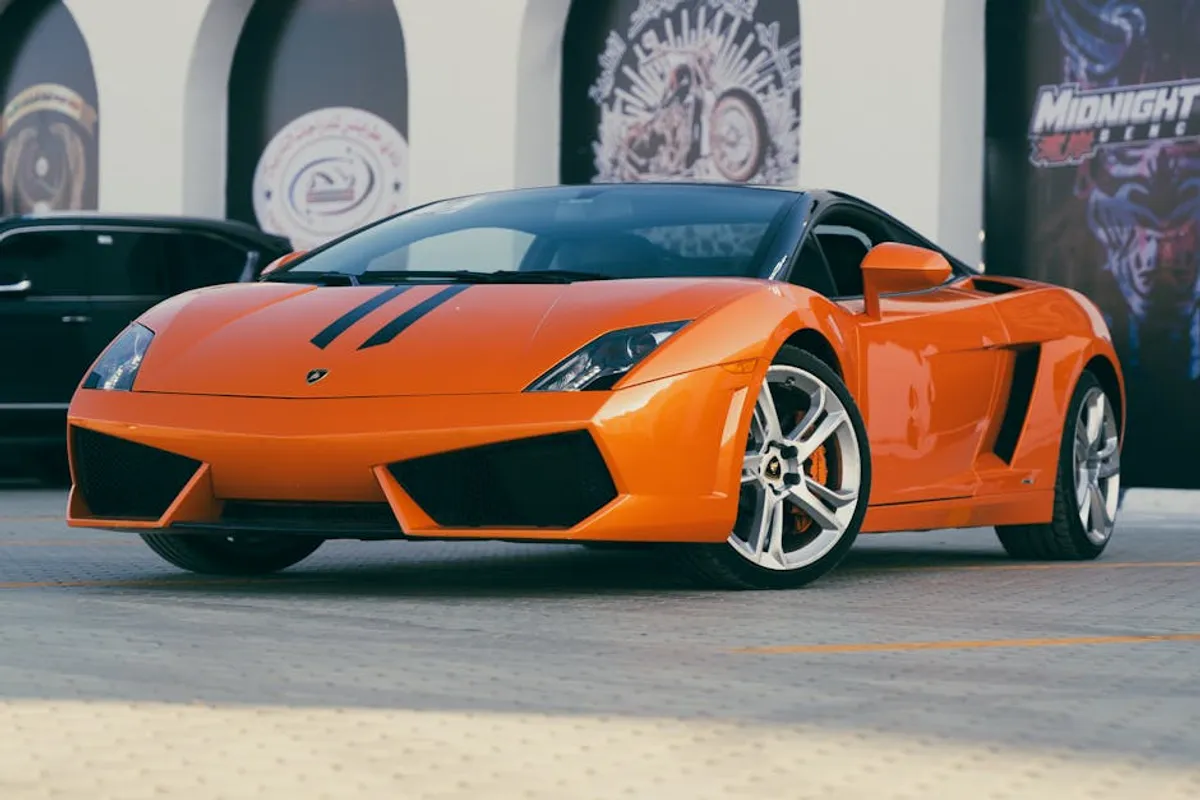
Lamborghini vehicles are engineered as statements of extreme performance, avant-garde design, and unparalleled luxury. They cater to a niche market seeking not merely transportation, but an experience defined by blistering speed, visceral sound, and exclusive ownership. The brand's portfolio, exemplified by models like the Huracán or Aventador, consistently features high-revving V10 or V12 engines, advanced aerodynamics, and meticulously crafted interiors.
Key Characteristics:
- Engine & Performance: Naturally aspirated V10/V12 engines delivering 600-800+ horsepower. 0-60 mph times typically under 3 seconds, top speeds exceeding 200 mph.
- Design & Aesthetics: Aggressive, angular styling; low-slung profiles; extensive use of carbon fiber and other lightweight, exotic materials.
- Exclusivity & Brand Prestige: Limited production runs, bespoke customization options, and a heritage rooted in Italian automotive passion. Ownership often confers significant social capital.
- Driving Dynamics: Precision handling, track-focused suspension, advanced all-wheel-drive systems, and responsive steering designed for high-speed driving.
Best for: Individuals prioritizing raw power, track performance, collectible asset appreciation, and a definitive luxury statement. Typical buyers are high-net-worth individuals, automotive enthusiasts, and collectors.
Honda Acty: The Quintessential Kei Truck Utility
The Honda Acty, a prominent member of Japan’s Kei truck class, represents the antithesis of the Lamborghini. It is a compact, highly practical, and economical utility vehicle designed for efficiency in tight urban environments or specific agricultural and light commercial applications. Its appeal lies in its diminutive size, surprising cargo capacity, and low operating costs, making it a workhorse rather than a showpiece.
Key Characteristics:
- Engine & Performance: Small-displacement, fuel-efficient 660cc three-cylinder engine, adhering to Kei vehicle regulations. Modest horsepower (typically 40-50 hp) optimized for low-speed torque and fuel economy.
- Design & Utility: Cab-over-engine design maximizes cargo bed length. Available in various configurations including flatbed, van, and specialized bodies. Compact dimensions allow for exceptional maneuverability.
- Economy & Reliability: Low acquisition cost, excellent fuel efficiency (often 30-40+ MPG), and Honda’s reputation for robust, low-maintenance mechanicals.
- Driving Dynamics: Rear-wheel drive (with optional 4WD), tight turning radius, and a utilitarian suspension setup designed for carrying loads rather than high-speed cornering.
Best for: Small business owners requiring compact urban delivery vehicles, farmers needing a versatile utility truck, property managers, or enthusiasts seeking an affordable, highly functional import for specific tasks. Buyers prioritize practicality, cost-effectiveness, and maneuverability.
Direct Comparison: Purpose Dictates Value
Performance and Driving Experience
A Lamborghini offers an intoxicating, high-octane driving experience. Its acceleration is brutal, its cornering G-forces intense, and its sound signature unmistakable. The driving experience is about pushing limits and engaging with a machine built for speed. In contrast, the Honda Acty provides a pragmatic, unpretentious drive. Its performance metrics are measured in payload capacity and turning radius, not 0-60 times. The driving experience is characterized by its ease of navigation in confined spaces and its ability to reliably transport goods.
Utility and Practicality
Lamborghinis offer minimal practical utility beyond their primary function as high-performance sports cars. Cargo space is limited, ground clearance is low, and passenger capacity is typically two. Their design prioritizes aerodynamics and aesthetics over everyday convenience. The Honda Acty, conversely, is a masterclass in compact utility. Its open bed or spacious van body can carry substantial loads relative to its footprint. Its high ground clearance (on 4WD models) and small size make it adept for off-road light duty or navigating crowded city streets and narrow country lanes.
Cost of Ownership and Acquisition
The financial commitment for a Lamborghini is substantial. New models often start from $200,000 and can easily exceed $500,000 with options. Maintenance, insurance, and fuel costs are commensurately high, requiring specialized technicians and premium parts. Depreciation can be significant on certain models, while rare or limited-edition vehicles may appreciate. A Honda Acty, particularly a used import, can be acquired for $5,000 to $15,000. Operating costs are minimal, with excellent fuel economy, inexpensive parts, and straightforward maintenance. Insurance is typically low, reflecting its utilitarian nature. Depreciation can be significant on certain models, while rare or limited-edition vehicles may appreciate, making understanding Lamborghini ownership costs a critical factor for buyers.
Pro Tip: When evaluating vehicles with such disparate price points and use cases, always calculate the total cost of ownership (TCO) beyond the initial purchase price. Factor in insurance, fuel, maintenance, depreciation, and any specialized equipment or infrastructure required. A seemingly "cheap" vehicle can become expensive if it doesn't meet critical operational needs, just as an expensive vehicle can be a poor investment if its features are underutilized.
Brand Perception and Image
Lamborghini projects an image of wealth, success, and daring. It is a symbol of aspirational luxury and automotive artistry. Its presence commands attention and conveys a specific lifestyle. The Honda Acty, while lacking the overt glamour, carries its own distinct image: one of resourcefulness, efficiency, and understated functionality. It is often seen as a reliable and clever solution for specific tasks, appealing to those who value practicality over ostentation.
Making Your Decision: Aligning Purchase with Purpose
The choice between a Lamborghini and a Honda Acty is not about which car is "better" in an objective sense, but which vehicle precisely fulfills the buyer's primary objectives. If the goal is to experience peak automotive engineering, make a bold personal statement, or invest in a potential collectible, the Lamborghini is the clear, albeit costly, choice. It is an emotional purchase, driven by desire for performance and prestige.
If the requirement is for a highly efficient, compact, and economical vehicle capable of transporting goods or navigating challenging small spaces, the Honda Acty is the rational, practical solution. It is a tool, a means to an end, chosen for its functional capabilities and low operational burden. The decision is fundamentally driven by utility, budget, and the specific tasks the vehicle is intended to perform.
Frequently Asked Questions
Is a Honda Acty street legal in the United States?
Most Honda Acty models, particularly those older than 25 years, are legal for import and registration in the U.S. under federal "25-year rule" exemptions. However, state-specific regulations for registration and titling can vary, so checking local DMV requirements is essential.
What is the typical maintenance cost for a Lamborghini versus a Honda Acty?
Annual maintenance for a Lamborghini can range from several thousand dollars to over $10,000, depending on the model, mileage, and specific service needs, often requiring specialized dealerships. A Honda Acty's annual maintenance typically costs a few hundred dollars, comparable to other small, economical vehicles, and can often be performed by general mechanics.
Can a Lamborghini be used for daily driving?
While technically possible, using a Lamborghini as a daily driver presents challenges due to low ground clearance, stiff suspension, limited visibility, and high running costs. It is generally designed for occasional spirited driving or as a weekend car rather than routine commuting or utility tasks.
What are the primary advantages of a Kei truck like the Honda Acty?
Primary advantages include exceptional maneuverability in tight spaces, high fuel efficiency, surprising cargo capacity for its size, low acquisition and operating costs, and versatility for various light-duty commercial or personal utility applications.