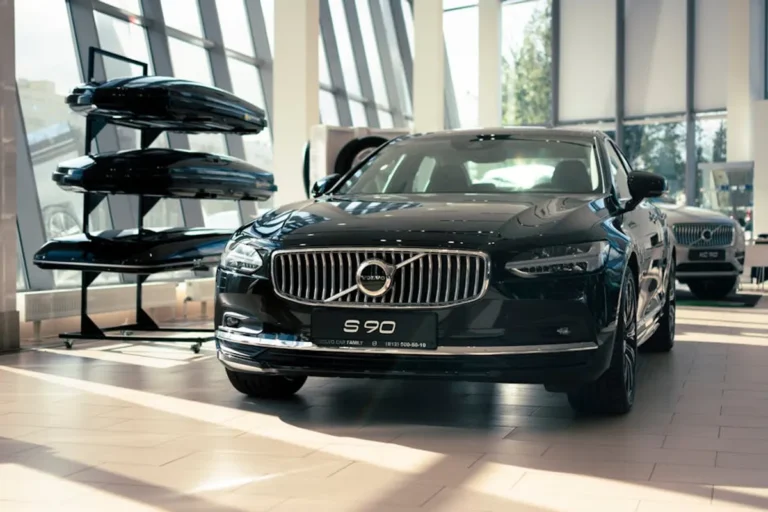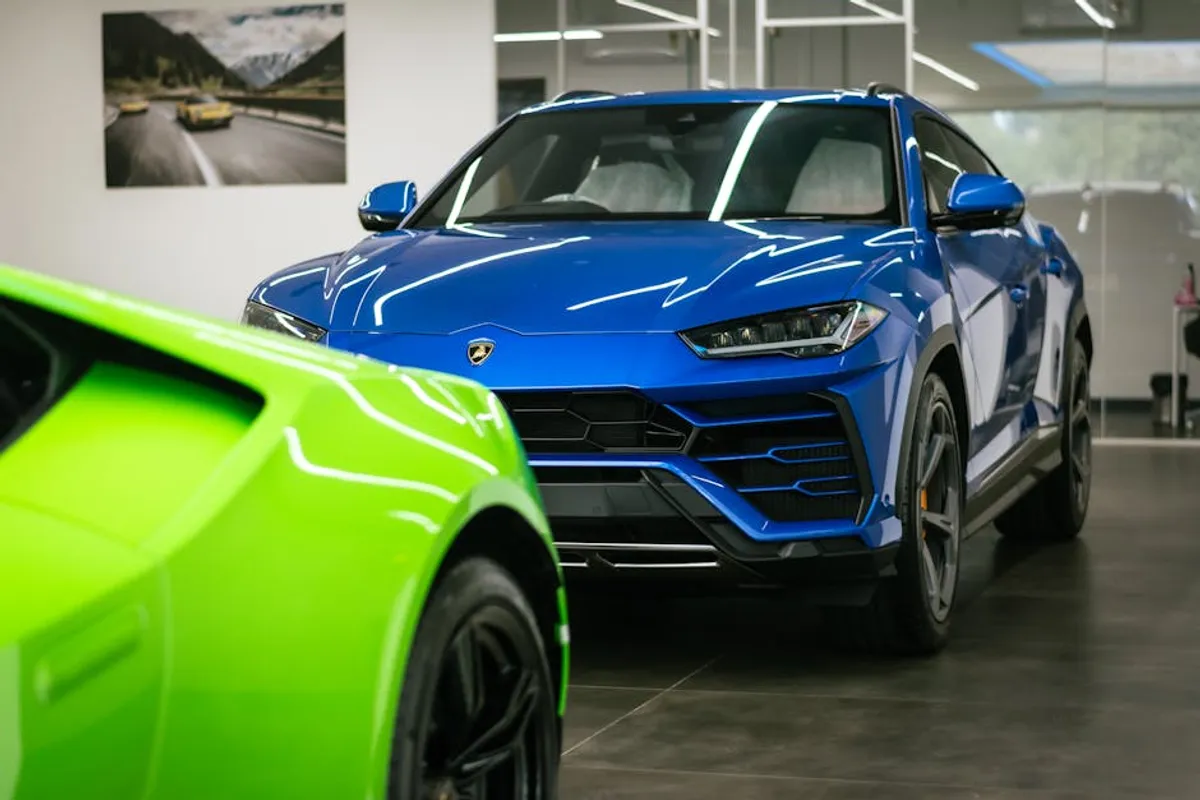
The decision between acquiring a Lamborghini and an EV pickup truck represents a fundamental divergence in automotive priorities. These are not merely different vehicle types; they embody distinct philosophies of engineering, purpose, and ownership. A Lamborghini, whether a Huracán, Aventador, or Urus, offers an experience centered on extreme performance, exotic design, and unparalleled luxury. An EV pickup truck, exemplified by models like the Ford F-150 Lightning, Rivian R1T, or Tesla Cybertruck, prioritizes utility, towing capacity, off-road capability, and a zero-tailpipe-emission powertrain. Understanding which vehicle aligns with your needs requires a clear assessment of your driving habits, lifestyle, and financial framework.
Defining the Core Propositions
The Lamborghini Ethos
Lamborghini vehicles are engineered for exhilaration and status. Their core proposition is a visceral driving experience, delivered through high-revving internal combustion engines (or increasingly, hybrid powertrains), precision handling, and aerodynamic designs that command attention. Owners typically seek out these vehicles for their emotional appeal, track-day capabilities, and as a statement of personal achievement and taste. Practicality is secondary; the focus is on the raw, unadulterated thrill of performance and the exclusivity of ownership.
The EV Pickup Truck Mandate
EV pickup trucks, conversely, are designed for versatility and functionality, reimagined with an electric powertrain. Their mandate is to provide robust towing, substantial cargo capacity, and often significant off-road prowess, all while benefiting from instant electric torque and reduced running costs compared to their gasoline counterparts. These vehicles cater to individuals who require a workhorse for professional or recreational tasks, appreciate technological innovation, and may prioritize environmental considerations or energy independence.
Performance and Driving Dynamics
Raw Power and Speed
Lamborghinis are synonymous with blistering acceleration and stratospheric top speeds. Models like the Huracán Performante can achieve 0-60 mph in under 2.9 seconds, with top speeds exceeding 200 mph. This performance is a result of finely tuned engines, lightweight construction, and advanced aerodynamics, designed for track domination and high-speed road driving. The auditory experience of a Lamborghini's engine is an integral part of its appeal.
EV pickup trucks also deliver impressive acceleration, often leveraging the instantaneous torque of electric motors. A Rivian R1T, for example, can hit 0-60 mph in approximately 3 seconds, rivaling many sports cars. This immediate power delivery is excellent for merging onto highways or quick overtakes. However, their top speeds are generally electronically limited to preserve range and motor longevity, typically topping out around 110-125 mph. The driving experience is characterized by quiet, seamless power delivery, a stark contrast to the Lamborghini's engine roar.
Handling and Road Feel
Lamborghinis offer razor-sharp handling, precise steering, and a low center of gravity, making them incredibly agile and responsive on paved surfaces. Their advanced suspension systems, active aerodynamics, and all-wheel-drive systems are calibrated for maximum grip and cornering ability. The driver receives constant, detailed feedback from the road, fostering a deep connection with the vehicle.
EV pickup trucks, due to their size, weight (especially battery packs), and higher center of gravity, do not offer the same level of sports car agility. However, their electric powertrains allow for sophisticated torque vectoring and precise power distribution to individual wheels, enhancing stability and traction, especially off-road. Many EV pickups feature adaptive air suspensions that can adjust ride height for improved aerodynamics, comfort, or ground clearance, providing a more composed and comfortable ride, albeit less communicative than a supercar.
Utility, Capability, and Practicality
Cargo and Payload
A Lamborghini offers minimal cargo space, typically limited to a small front trunk (frunk) and perhaps a small area behind the seats, suitable for a weekend bag or two. Passenger capacity is usually two, with the Urus SUV offering four or five. These vehicles are not designed for hauling anything beyond personal effects.
EV pickup trucks excel in cargo and payload. They feature full-size beds, often with innovative storage solutions like pass-through tunnels or lockable compartments. Many also include a substantial frunk, adding secure, weather-resistant storage. Payload capacities can range from 1,500 to over 3,000 pounds, making them highly practical for carrying tools, equipment, or recreational gear.
Towing Capacity and Off-Road
Towing is not a consideration for a Lamborghini. Off-road capability is limited to mild gravel roads for the Urus, while the sports cars are strictly for paved surfaces.
EV pickup trucks are engineered for significant towing capabilities, with some models exceeding 10,000 pounds. Their electric powertrains provide immense, immediate torque, ideal for pulling heavy loads. Furthermore, many EV pickups are designed with serious off-road credentials, featuring high ground clearance, skid plates, multiple drive modes, and advanced traction control systems that leverage individual motor control for superior grip in challenging terrain.
Ownership Experience and Financial Considerations
Purchase Price and Depreciation
Both vehicle types represent a substantial investment. New Lamborghinis typically start from around $200,000 and can easily exceed $500,000 for specialized models. While initial depreciation can be steep, certain limited-production or classic models can appreciate over time. EV pickup trucks, being a newer segment with advanced technology, also command high prices, often starting from $50,000 to over $100,000, depending on trim and battery size. Their long-term depreciation curves are still evolving but are influenced by battery degradation and rapid technological advancements.
Maintenance and Running Costs
Lamborghinis are known for high running costs. Fuel consumption is significant, and specialized, high-performance tires are expensive to replace. Maintenance, especially routine service at authorized dealerships, is costly due to complex engineering and specialized parts. Insurance premiums are also among the highest in the automotive market.
EV pickup trucks generally offer lower running costs. Electricity is typically cheaper per mile than gasoline, and EV powertrains have fewer moving parts, leading to lower scheduled maintenance requirements (e.g., no oil changes, spark plugs). However, tire wear can be higher due to the vehicle's weight and instant torque, and battery replacement, while rare, is a significant expense outside warranty. Insurance costs are still variable as the market adapts to EV technology and repair costs.
Pro Tip: Do not underestimate the total cost of ownership beyond the initial sticker price. For a Lamborghini, consider fuel, specialized maintenance, and high insurance premiums. For an EV pickup, factor in home charging installation costs, potential public charging fees, and the long-term implications of battery health and replacement.
Environmental Impact and Future Trends
Emissions and Sustainability
Lamborghinis, with their internal combustion engines, produce tailpipe emissions. While often driven sparingly, their carbon footprint per mile is substantial. The brand is, however, investing in hybridization and eventually full electrification to meet future regulations and sustainability goals.
EV pickup trucks produce zero tailpipe emissions, contributing to local air quality improvements. Their overall environmental impact, however, depends on the source of electricity used for charging and the environmental costs associated with battery manufacturing and disposal. As renewable energy sources become more prevalent, the "well-to-wheel" emissions profile of EVs improves significantly. The perception of sustainability is a strong selling point for many EV buyers.
Technological Evolution
The automotive industry is rapidly moving towards electrification. Lamborghini is embracing hybrid powertrains (e.g., Revuelto) as a bridge to future full EVs, maintaining performance while reducing emissions. EV pickup trucks are at the forefront of this technological shift, constantly evolving with longer ranges, faster charging, and more integrated digital features. This rapid pace of innovation means that while current EV trucks are advanced, newer models will likely bring significant improvements, potentially impacting resale value of earlier models.
Making Your Decision
The choice between a Lamborghini and an EV pickup truck boils down to a clear understanding of your primary needs and desired driving experience. Consider the following key differentiators:
- Purpose: Is your priority extreme performance, luxury, and emotional appeal (Lamborghini), or utility, capability, and sustainable practicality (EV Pickup)?
- Driving Environment: Do you primarily drive on open roads, track, or in urban settings where a supercar shines? Or do you need a vehicle for towing, off-road adventures, and daily hauling tasks?
- Budget Allocation: Beyond the purchase price, how do you weigh ongoing costs for fuel/electricity, maintenance, and insurance?
- Lifestyle Integration: Does the vehicle need to fit into a demanding work schedule, family life, or recreational pursuits that require significant cargo and towing?
- Environmental Stance: How important are zero tailpipe emissions and a perceived commitment to sustainability in your vehicle choice?
Best for: The individual seeking an unparalleled driving thrill, a statement of luxury, and a connection to automotive artistry, where practicality is a secondary concern, will gravitate towards a Lamborghini.
Best for: The buyer requiring a highly capable, versatile vehicle for work or recreation, who values innovative technology, lower running costs, and a reduced environmental footprint, will find an EV pickup truck more suitable.
Frequently Asked Questions
Can an EV pickup truck really match a Lamborghini's acceleration?
Yes, many high-performance EV pickup trucks can match or even surpass a Lamborghini's 0-60 mph acceleration due to instantaneous electric torque. However, a Lamborghini will typically have a higher top speed and superior sustained track performance and handling dynamics.
Which vehicle is more expensive to own long-term?
Generally, a Lamborghini incurs significantly higher long-term ownership costs due to premium fuel, specialized maintenance, and substantially higher insurance premiums. While EV pickup trucks have a high initial purchase price, their running costs for "fuel" (electricity) and routine maintenance are typically lower, though battery replacement can be a major expense if needed outside warranty.
Are EV pickup trucks truly sustainable?
EV pickup trucks produce zero tailpipe emissions, improving local air quality. Their overall sustainability depends on the electricity source used for charging (renewable vs. fossil fuels) and the environmental impact of battery manufacturing and disposal. As grids decarbonize and battery technology advances, their environmental profile improves.
Can I use an EV pickup truck for serious off-roading?
Absolutely. Many EV pickup trucks are designed with advanced off-road capabilities, including high ground clearance, sophisticated all-wheel-drive systems with individual motor control for torque vectoring, adaptive air suspensions, and specialized off-road modes, making them highly capable in challenging terrain.