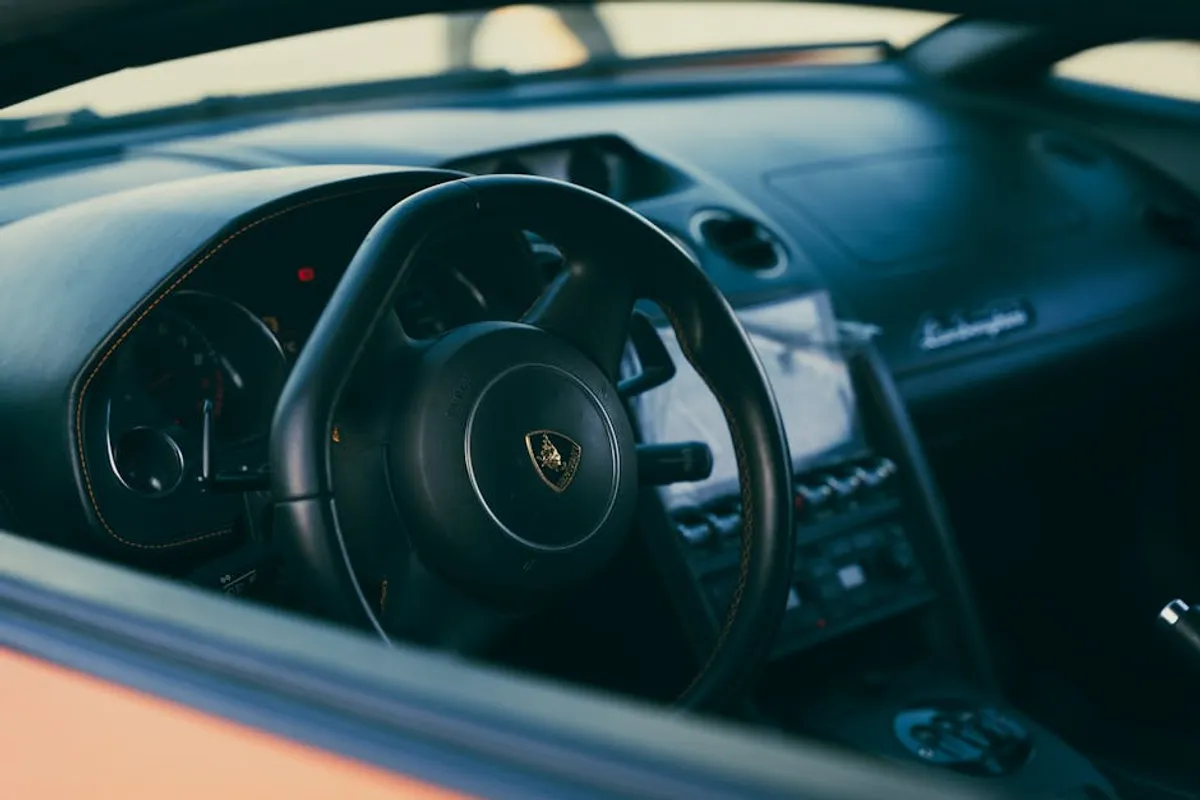
Acquiring a Lamborghini represents a significant financial commitment and a distinct lifestyle choice. Beyond the immediate exhilaration of performance and design, prospective owners must navigate a complex landscape of market dynamics, ownership costs, and practical considerations. This guide details the essential knowledge required to make an informed decision, moving beyond the aspirational to the tangible realities of Lamborghini ownership. Prospective buyers should also research the associated ownership costs to fully grasp the financial commitment involved.
Understanding Lamborghini's Market Position
Lamborghini occupies a unique segment within the luxury automotive market, characterized by extreme performance, distinctive design, and a heritage rooted in uncompromising engineering. This exclusivity dictates both initial purchase prices and subsequent ownership experiences. Buyers typically evaluate new models for the latest technology and full warranty coverage, while the pre-owned market offers a broader selection, often at more accessible price points, though with increased scrutiny required for vehicle history and condition.
Key Models and Their Characteristics
The Lamborghini lineup is segmented by engine configuration and intended use, each offering a distinct proposition to buyers. Understanding these differences is crucial for aligning a purchase with specific priorities.
Flagship V12 Models: Aventador and Revuelto
These models represent the pinnacle of Lamborghini's engineering and performance. The Aventador, now succeeded by the Revuelto, features a naturally aspirated V12 engine, delivering immense power and an unadulterated supercar experience. Their construction often involves extensive use of carbon fiber for weight reduction and rigidity.
Best for: Buyers prioritizing uncompromised performance, ultimate exclusivity, and a visceral driving experience. These vehicles often hold their value well in the long term, particularly limited editions, but command the highest purchase prices and maintenance costs.
V10 Supercars: Huracán
The Huracán series offers a more accessible entry point into Lamborghini ownership compared to its V12 siblings, without significant compromise on performance or design. Powered by a naturally aspirated V10 engine, the Huracán provides agile handling and a raw acoustic signature. Various iterations exist, including rear-wheel drive (RWD) and all-wheel drive (AWD) options, as well as track-focused variants.
Best for: Enthusiasts seeking a dynamic, engaging driving experience with a slightly more manageable footprint and potentially lower running costs than V12 models. The Huracán offers a balance of performance, design, and relative usability.
The Super SUV: Urus
The Urus redefined Lamborghini's market presence by introducing a high-performance SUV. Equipped with a twin-turbo V8 engine, it blends supercar performance with SUV practicality, offering seating for up to five and increased ground clearance. This model significantly expanded Lamborghini's appeal to buyers needing daily usability without sacrificing brand prestige or power.
Best for: Buyers requiring the practicality of an SUV for daily driving, family transport, or varied terrain, but unwilling to compromise on luxury, performance, or brand cachet. The Urus represents a distinct segment for Lamborghini, often attracting new customers to the brand.
Financial Considerations Beyond Purchase Price
The sticker price of a Lamborghini is merely the entry point. A comprehensive understanding of ongoing costs is vital for responsible ownership.
Depreciation and Resale Value
While some limited-edition Lamborghinis can appreciate, standard models typically depreciate, albeit often at a slower rate than mainstream luxury vehicles. Factors influencing resale value include mileage, condition, service history, color combination, and the specific model's market demand. V12 models, particularly special editions, tend to retain value more effectively due to their exclusivity.
Insurance Costs
Insuring a Lamborghini involves substantial premiums due to the vehicle's high value, performance capabilities, and specialized repair requirements. Factors such as the owner's driving record, location, and the specific model year will significantly influence rates. Obtaining detailed insurance quotes before purchase is a critical step.
Maintenance and Servicing
Lamborghini vehicles require specialized maintenance performed by factory-trained technicians using proprietary tools and diagnostic equipment. Service intervals are typically short, and parts are expensive due to their bespoke nature and limited production. Regular servicing at authorized dealerships is crucial for maintaining performance, warranty validity, and resale value.
- Scheduled maintenance (oil changes, fluid checks) every 1-2 years or 5,000-10,000 miles.
- Major service intervals (spark plugs, belt replacements, brake fluid flush) vary by model but are significantly more involved.
- Tire replacement costs are high due to specialized performance tires.
- Brake component wear, particularly on carbon-ceramic systems, can lead to substantial replacement expenses.
Fuel and Consumables
All Lamborghini models require premium high-octane fuel to deliver their advertised performance and protect their advanced engines. Fuel consumption is high, especially under spirited driving conditions. Additionally, high-performance tires have a shorter lifespan compared to those on conventional vehicles, necessitating more frequent and costly replacements.
Pro Tip: Always factor in a dedicated annual budget for maintenance, insurance, and consumables that is separate from the purchase price. Underestimating these ongoing costs is a common pitfall for new supercar owners, potentially leading to unexpected financial strain.
The Buying Process and Due Diligence
Whether purchasing new or pre-owned, a structured approach to the buying process minimizes risk and ensures satisfaction.
Authorized Dealers vs. Independent Sellers
Purchasing from an authorized Lamborghini dealer offers several advantages, including access to new models, certified pre-owned (CPO) programs with extended warranties, factory-trained service, and assistance with financing. Independent sellers or brokers may offer lower prices on pre-owned vehicles, but they typically lack the CPO benefits and factory support.
Pre-Purchase Inspection (PPI)
For any pre-owned Lamborghini, a comprehensive Pre-Purchase Inspection (PPI) by an independent, qualified technician specializing in exotic cars is non-negotiable. A PPI goes beyond a standard safety check, scrutinizing the engine, transmission, suspension, electronics, and body for any signs of hidden damage, previous repairs, or deferred maintenance. This report provides an objective assessment of the vehicle's true condition.
Vehicle History Report
A detailed vehicle history report provides crucial information on a pre-owned Lamborghini, including accident history, title status, service records, and odometer discrepancies. This report should be cross-referenced with the PPI findings and any service records provided by the seller to build a complete picture of the vehicle's past.
Warranty and Service Plans
New Lamborghinis come with a factory warranty, typically for three years with unlimited mileage. Certified Pre-Owned (CPO) programs offer extended warranty coverage and roadside assistance for pre-owned vehicles that pass a rigorous inspection. For vehicles outside of warranty, consider aftermarket service contracts, though their coverage terms and reliability should be thoroughly vetted.
Driving Experience and Lifestyle Integration
Owning a Lamborghini extends beyond driving; it involves integrating the vehicle into your daily life. Considerations include the car's limited practicality for everyday tasks, the attention it attracts, and the necessary security measures. These vehicles demand respect for their power and require careful handling in varied environments.
Making Your Informed Decision
The decision to buy a Lamborghini should be rooted in a clear understanding of its implications. Beyond the initial allure, consider how the car fits your lifestyle, your financial capacity for ongoing ownership, and your comfort with the attention it commands. Thorough due diligence, especially for pre-owned models, protects your investment and ensures a rewarding ownership experience. Approach the purchase with a clear head, leveraging expert advice and meticulous inspection, to transform an aspiration into a well-considered reality.
Frequently Asked Questions
How much does a Lamborghini typically cost?
New Lamborghini models generally start from approximately $200,000 for the Huracán, $230,000 for the Urus, and upwards of $600,000 for the Revuelto. Pre-owned prices vary significantly based on model, year, mileage, condition, and rarity, with some older or limited-edition models commanding higher prices than new.
Are Lamborghinis reliable?
Modern Lamborghinis, particularly those produced in the last decade, benefit from improved engineering and manufacturing processes, leading to enhanced reliability compared to earlier generations. However, they remain high-performance, specialized machines that require meticulous maintenance and are not designed for the same long-term, low-cost reliability as conventional vehicles.
What is the average maintenance cost for a Lamborghini?
Annual maintenance costs for a Lamborghini can range from $2,000 to $5,000 for routine servicing, depending on the model and specific service requirements. Major services, unexpected repairs, or component replacements (e.g., brakes, clutch, tires) can incur costs upwards of $10,000 or more per incident.
Can I daily drive a Lamborghini?
While technically possible, daily driving a Lamborghini, especially the Huracán or Revuelto, presents practical challenges due to low ground clearance, limited visibility, and stiff suspension. The Urus, as an SUV, is specifically designed for greater daily usability and comfort, making it the most suitable Lamborghini for regular, sustained driving.