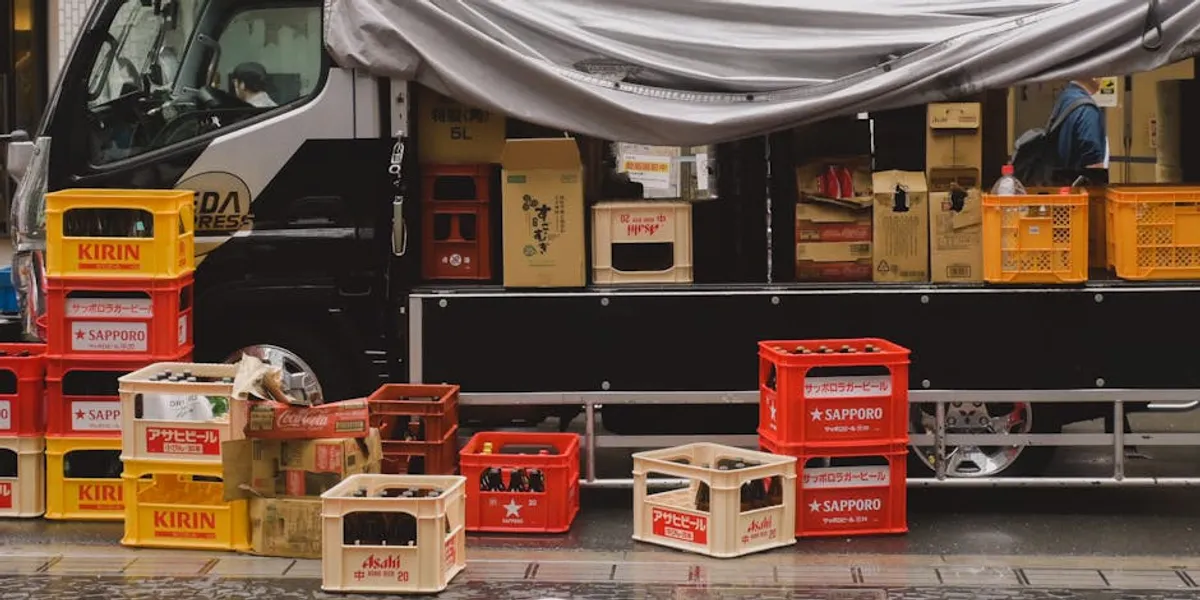
Choosing between a Kei truck and a used SUV represents a fundamental decision for buyers prioritizing distinct vehicle attributes. This isn't merely a matter of size; it involves weighing specific utility, operational costs, driving environments, and long-term ownership considerations. A Kei truck, originating from Japan's micro-vehicle category, offers unique advantages in compactness and efficiency, while a used SUV provides broader versatility, passenger capacity, and an established market presence. Understanding the core strengths and limitations of each vehicle type is critical to aligning your purchase with your actual needs and budget. Understanding the core strengths and limitations of each vehicle type is critical to aligning with why small Japanese trucks are trending.
Understanding Kei Trucks
Kei trucks are a class of mini-trucks designed to meet specific Japanese regulations regarding dimensions, engine displacement (typically 660cc or less), and power output. Their compact footprint and efficient engines define their utility, making them distinct from conventional pickup trucks or SUVs.
Compact Utility and Efficiency
The primary appeal of a Kei truck lies in its diminutive size and operational economy. These vehicles excel in tight urban environments, narrow rural roads, and situations requiring precise maneuverability. Their small engines deliver notable fuel efficiency, often surpassing larger vehicles, which translates to lower running costs. The open bed, despite its compact dimensions, provides practical cargo space for light loads, making them suitable for gardening, small business deliveries, or farm work.
Maneuverability and Niche Applications
Kei trucks are exceptionally agile, with tight turning radii that simplify navigation and parking in congested areas. Many models feature four-wheel drive, offering surprising capability on unpaved roads or light off-road trails, particularly when unladen. This combination of size and traction makes them popular for niche applications like campus maintenance, property management, or as recreational vehicles for accessing remote campsites.
Considerations for Ownership
For buyers outside Japan, owning a Kei truck involves navigating import regulations, which vary by region. Once imported, parts availability can be a concern, often requiring specialized suppliers or direct sourcing from Japan. While their mechanical simplicity can lead to straightforward repairs, finding mechanics familiar with these specific vehicles might require effort. Furthermore, their small size and lighter construction generally mean lower crash safety ratings compared to modern, full-sized vehicles, a significant factor for daily driving on high-speed roads.
Understanding Used SUVs
Used SUVs represent a broad category of vehicles, ranging from compact crossovers to full-size body-on-frame models. Their market is extensive, offering a diverse array of options in terms of size, capability, and price points. This segment prioritizes versatility, accommodating varied passenger and cargo demands.
Space, Comfort, and Performance
SUVs are designed with passenger comfort and cargo capacity as key considerations. Most offer seating for five or more, with many larger models providing third-row seating, making them ideal for families. Their enclosed cargo areas offer security and weather protection for goods. Performance characteristics vary widely; some used SUVs prioritize on-road comfort and handling, while others are engineered for robust off-road capability or significant towing capacity. Engine options often include larger four-cylinders, V6s, and V8s, providing ample power for highway travel and hauling.
Widespread Availability and Support
The used SUV market is robust, offering numerous brands, models, and trim levels. This widespread availability translates to readily accessible parts, a large network of service centers, and mechanics proficient in their maintenance. Resale values tend to be more predictable, and insurance options are standard. The established infrastructure simplifies ownership and reduces potential long-term complications.
Potential Downsides of Used SUVs
Despite their versatility, used SUVs typically come with higher running costs than Kei trucks. Fuel consumption is generally greater due to larger engines and heavier chassis. Their larger footprint can make urban parking and maneuvering more challenging. Depending on the model and its previous use, maintenance costs for used SUVs can escalate, particularly for components like tires, brakes, or complex drivetrain systems, especially if routine maintenance was neglected by previous owners.
Direct Comparison: Key Decision Factors
The choice between a Kei truck and a used SUV hinges on a direct comparison of practical attributes relevant to your specific operational needs.
Cost of Ownership: Initial Purchase to Fuel
Initial Purchase: Kei trucks often have a lower initial purchase price, especially for imported models, making them attractive for budget-conscious buyers. Used SUVs vary widely, but comparable models with similar age and condition might command a higher price due to market demand and features.
Fuel Efficiency: Kei trucks generally offer superior fuel efficiency due to their smaller engines and lighter weight. Used SUVs, even those with smaller engines, typically consume more fuel, leading to higher operational costs over time.
Insurance and Registration: Insurance costs for Kei trucks can be unpredictable due to their niche status and import origins, potentially requiring specialized policies. Used SUVs have established insurance categories and more predictable rates. Registration for Kei trucks may involve additional steps or fees depending on local regulations for imported vehicles.
Practicality: Cargo, Passengers, and Driving Environment
Cargo Capacity: Kei trucks offer an open bed, ideal for dirty or irregularly shaped items, but with limited volume. Used SUVs provide an enclosed, weather-protected cargo area, often expandable by folding seats, suitable for varied goods and luggage.
Passenger Capacity: Kei trucks are typically two-seaters, severely limiting passenger transport. Used SUVs excel here, offering seating for five to eight passengers, making them the clear choice for families or carpooling.
Driving Environment: Kei trucks are best suited for urban, rural, or off-road environments where their small size and maneuverability are assets. They are less comfortable and capable on sustained highway speeds. Used SUVs are designed for versatility, performing well on highways, city streets, and often offering comfortable long-distance travel capabilities.
Safety and Reliability
Safety: Modern used SUVs generally incorporate more advanced safety features and benefit from higher crash test ratings compared to Kei trucks, which are designed to different safety standards. This is a critical consideration for daily drivers, especially those with passengers.
Reliability: Both vehicle types can be reliable, but their ecosystems differ. Used SUVs benefit from a vast parts and service network. Kei trucks, while often mechanically simple, can face challenges in sourcing specific parts or finding experienced technicians outside of specialized import circles.
Maintenance and Parts Ecosystem
The maintenance landscape differs significantly. For a used SUV, parts are typically readily available through dealerships, aftermarket suppliers, and online retailers. Routine service can be performed by almost any mechanic. For a Kei truck, parts often need to be imported, which can lead to longer wait times and higher shipping costs. Specialized knowledge may be required for complex repairs, potentially limiting repair options to import specialists.
Making the Right Choice: Matching Vehicle to Need
The decision between a Kei truck and a used SUV ultimately aligns with your specific use case. If your primary need is for a highly maneuverable, fuel-efficient utility vehicle for light hauling, property maintenance, or navigating confined spaces, a Kei truck presents a compelling, albeit niche, option. Its charm and unique capabilities are undeniable for specific tasks.
Pro Tip: Before committing to a Kei truck purchase, research your local vehicle registration and insurance requirements for imported micro-vehicles. Some regions have specific regulations or restrictions that can significantly impact the feasibility and cost of ownership. For used SUVs, always prioritize a pre-purchase inspection by an independent mechanic to uncover potential hidden issues that could lead to expensive repairs.
Conversely, if you require a vehicle for family transport, regular highway travel, towing, or carrying multiple passengers and substantial cargo, a used SUV offers unmatched versatility and practicality. Its established support network and broader safety features provide a more conventional and often less complicated ownership experience. Evaluate your daily driving habits, cargo requirements, and passenger needs to determine which vehicle's core strengths best serve your automotive demands.
Frequently Asked Questions
- Are Kei trucks legal to drive on public roads? In many countries, Kei trucks can be legally registered and driven on public roads, but specific regulations regarding import, safety modifications, and registration vary by state or province.
- Do Kei trucks have air conditioning? Many newer Kei truck models and some older ones do come equipped with air conditioning, though it may not be as powerful as in larger vehicles.
- What is the typical lifespan of a used SUV? The lifespan of a used SUV varies greatly depending on the make, model, maintenance history, and driving conditions, but many models can reliably exceed 150,000 to 200,000 miles with proper care.
- Are parts for Kei trucks hard to find? Parts for Kei trucks can be more challenging to find than for mainstream vehicles, often requiring import from Japan or sourcing from specialized suppliers.