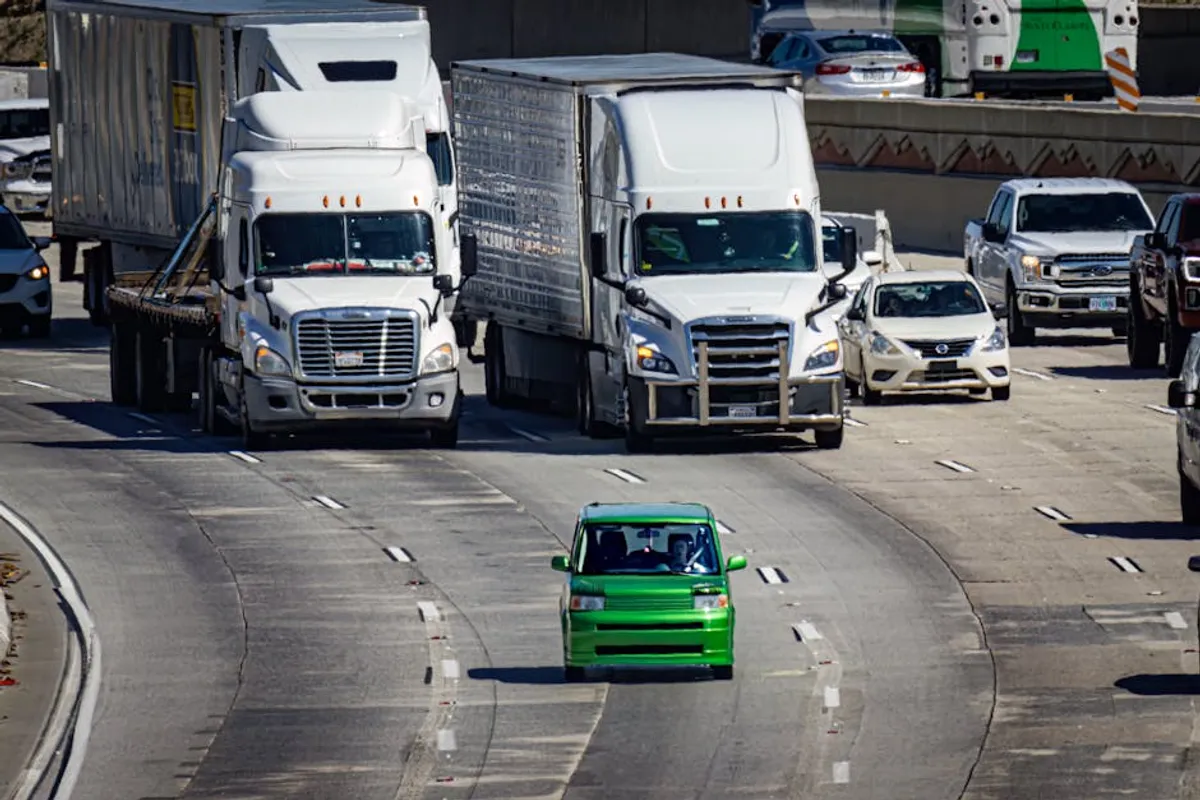
The decision between a Kei truck and a Toyota Chaser represents a fundamental divergence in automotive philosophy: pure utility versus performance-oriented comfort. These vehicles, while both originating from the Japanese domestic market (JDM), cater to vastly different buyer profiles and operational requirements. Understanding their core distinctions across design, capability, and ownership costs is essential for an informed purchase, ensuring your investment aligns precisely with your intended use.
Fundamental Purpose and Design Philosophy
A Kei truck is a compact, utilitarian light truck engineered to comply with Japan's Kei car regulations, which dictate maximum dimensions, engine displacement (660cc), and power output. This class was created to offer tax and insurance benefits, promoting small, efficient vehicles for urban and rural utility. Their design prioritizes cargo capacity, maneuverability in tight spaces, and low operating costs above all else. They are purpose-built workhorses, often featuring a flatbed, a minimal cabin, and a simple, robust drivetrain.
The Toyota Chaser, conversely, is a mid-size sedan, part of Toyota's "X" chassis family (which also includes the Mark II and Cresta). Its design brief focused on offering a comfortable, rear-wheel-drive platform with a premium feel and, in certain trims like the Tourer V, significant performance capabilities. Chasers were designed for daily commuting, comfortable touring, and enthusiast driving, emphasizing a balance of interior refinement, engine power, and dynamic handling. It represents a more traditional passenger vehicle experience, often with a focus on engine performance and aftermarket tuning potential.
Dimensions, Maneuverability, and Practicality
The physical footprint is perhaps the most immediate differentiator. Kei trucks are exceptionally compact, typically measuring under 3.4 meters (11.2 feet) in length and 1.48 meters (4.8 feet) in width. This diminutive size allows for unparalleled maneuverability in congested urban environments, narrow country lanes, and on-site work areas. Their tight turning radius and high seating position provide excellent visibility, making them ideal for tasks requiring precise placement or access to restricted spaces. Cargo capacity, despite the small footprint, is surprisingly efficient, with flatbeds designed for practical loads.
The Toyota Chaser, as a mid-size sedan, occupies a significantly larger footprint. A typical Chaser measures around 4.7 meters (15.4 feet) in length and 1.7 meters (5.6 feet) in width. This larger size translates to a more stable ride at higher speeds and a more spacious cabin for passengers. However, it also means less agility in tight parking situations and reduced suitability for off-road or confined work environments. The Chaser's practicality centers on comfortable passenger transport and secure trunk space, not open-bed cargo hauling.
- Kei Truck Advantages:
- Exceptional maneuverability in urban and confined spaces.
- Low overall vehicle weight, reducing wear on infrastructure.
- Open bed for versatile cargo transport (e.g., landscaping, small deliveries).
- Often available with 4WD and low-range gearing for light off-road utility.
- Toyota Chaser Advantages:
- Superior passenger comfort and interior space for up to five occupants.
- Enclosed trunk provides secure, weather-protected storage.
- More stable and comfortable at highway speeds.
- Refined ride quality suitable for longer journeys.
Powertrain, Driving Dynamics, and Performance
Kei trucks are powered by small, efficient engines, limited to 660cc displacement. These engines, often three-cylinders, are designed for low-speed torque and fuel economy, not outright speed. While some are turbocharged, their primary role is to move light loads efficiently. Top speeds rarely exceed 100-120 km/h (60-75 mph), making extended highway travel less comfortable and less efficient due to high RPMs. Driving dynamics are basic; they are built for utility, with simple suspension setups and often manual transmissions and selectable 4WD for traction in varied conditions.
The Toyota Chaser, particularly in its later generations, offered a range of inline-six engines, most notably the 1JZ and 2JZ series. These engines are renowned for their robust design, smooth power delivery, and significant tuning potential. The turbocharged 1JZ-GTE and 2JZ-GTE engines, found in models like the Tourer V, provide substantial horsepower and torque, enabling rapid acceleration and comfortable cruising at highway speeds. The Chaser's rear-wheel-drive layout, combined with a more sophisticated suspension, offers a balanced and engaging driving experience, catering to those who appreciate performance and driver feedback.
Ownership Costs and Market Value
Ownership costs differ significantly. Kei trucks generally have lower acquisition costs, especially for older models, and their small engines contribute to superior fuel efficiency, particularly in stop-and-go conditions. Maintenance is typically straightforward due to their simple mechanical design, and parts, while sometimes requiring import, are often inexpensive. Their market value is driven by their niche utility and unique appeal, often remaining stable for well-maintained examples.
Toyota Chasers, especially sought-after performance variants, command higher acquisition prices. While known for Toyota reliability, maintenance costs can be higher due to more complex mechanical systems and the potential for performance-oriented components. Fuel consumption, particularly with turbocharged engines, is notably higher than a Kei truck. The Chaser's market value is heavily influenced by engine type, condition, and the growing demand for classic JDM sedans among enthusiasts, leading to appreciating values for specific models.
Pro Tip: When importing either vehicle, be aware of specific federal and state regulations regarding vehicle age, emissions compliance, and titling. A Kei truck's small size and engine may exempt it from certain requirements, while a Chaser, particularly if modified, could face stricter scrutiny. Always verify local laws before purchase.
Choosing Your Ideal Vehicle
The choice between a Kei truck and a Toyota Chaser boils down to primary function and driving environment. Neither is a direct substitute for the other; they serve distinct purposes.
Best for:
- Kei Truck:
- Light hauling and deliveries in urban, suburban, or rural settings.
- Landscaping, farm work, or property maintenance.
- Operating in areas with narrow roads, tight parking, or limited access.
- Buyers prioritizing low running costs and maximum utility over speed or comfort.
- Those seeking a unique, practical vehicle with a distinct character.
- Toyota Chaser:
- Daily commuting with an emphasis on comfort and reliability.
- Enthusiast driving, track days, or spirited road trips (especially Tourer V models).
- Long-distance highway travel where stability and power are valued.
- Buyers who appreciate a rear-wheel-drive sedan platform with tuning potential.
- Collectors or enthusiasts of specific JDM performance sedans.
Making Your Purchase Decision
Before committing, assess your daily requirements. If your needs involve frequent short-distance hauling, navigating congested areas, or accessing properties with challenging terrain, a Kei truck offers unmatched utility and cost-efficiency. Its limitations lie in highway performance and passenger comfort. Conversely, if your priority is a comfortable, capable daily driver with the potential for performance and a more refined driving experience, the Toyota Chaser is the clear choice. Its drawbacks include a larger footprint and higher fuel consumption. Consider the availability of parts and specialized mechanics for either imported vehicle, as this can significantly impact long-term ownership experience. Your ideal vehicle is the one that most effectively meets your specific operational demands and budget constraints.
Frequently Asked Questions
Are Kei trucks highway legal?
Yes, in most regions, Kei trucks are highway legal. However, their small engines and limited top speeds mean they are less comfortable and less efficient for sustained high-speed highway travel compared to larger vehicles.
Is a Toyota Chaser a reliable car?
Toyota Chasers, particularly those equipped with the JZ-series engines, are generally considered very reliable, benefiting from Toyota's reputation for engineering durability. Regular maintenance is crucial, especially for higher-performance turbocharged variants.
What is the typical payload capacity of a Kei truck?
Kei trucks typically have a payload capacity ranging from 350 kg to 500 kg (approximately 770 to 1,100 pounds), depending on the specific model and configuration. This capacity is suitable for light commercial use and personal utility.
Are parts readily available for imported JDM vehicles like the Chaser?
Parts availability for JDM imports can vary. Common wear items may cross-reference with USDM Toyota models, but specialized engine or body components often require sourcing from Japan or through dedicated import parts suppliers. This can affect repair times and costs.