The decision between acquiring a Kei truck and a Porsche 911 represents a fundamental divergence in automotive priorities. These vehicles occupy polar opposite ends of the automotive spectrum, each engineered for distinct purposes and catering to vastly different ownership experiences. One offers unparalleled utility, economy, and compact functionality; the other, an iconic blend of performance, luxury, and driving engagement. This guide dissects their core attributes, operational realities, and financial implications to help prospective buyers align their purchase with their specific needs and expectations.
Understanding the Kei Truck Proposition
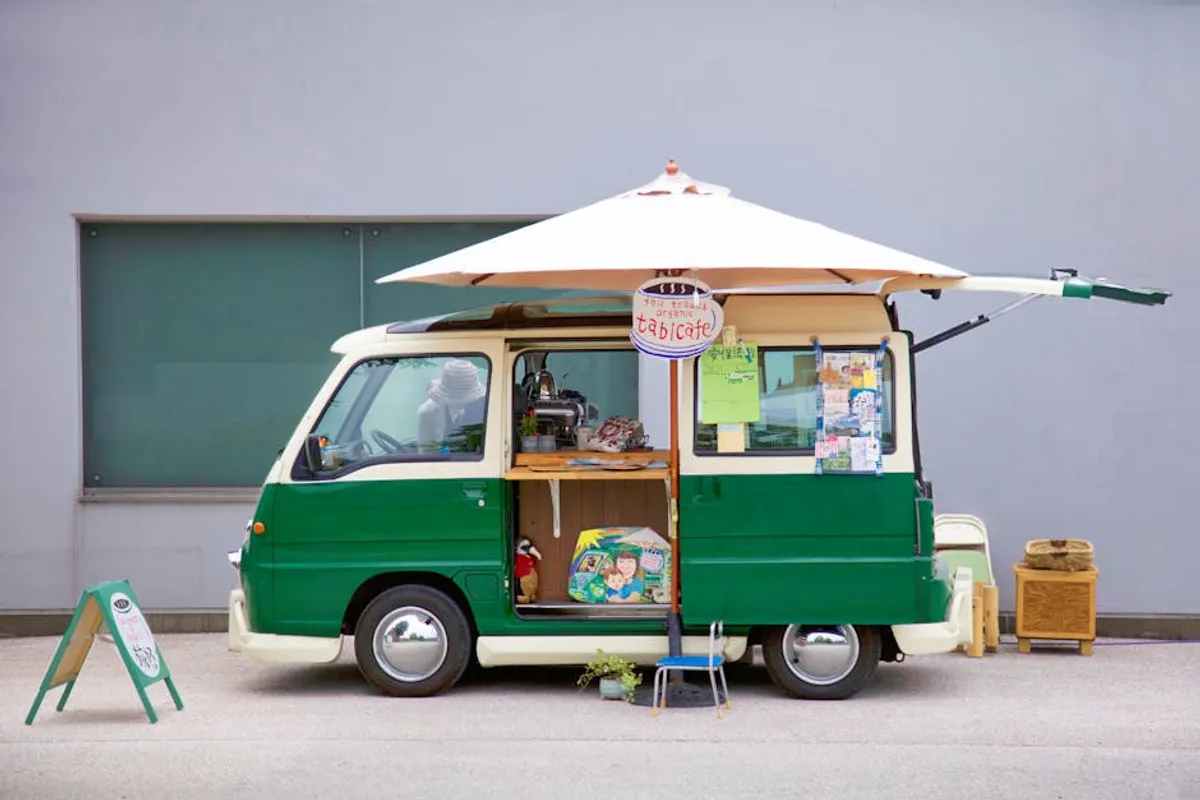
Kei trucks, originating from Japan's "Keijidōsha" (light automobile) class, are miniature workhorses designed for maximum utility within strict size and engine displacement limits. Typically featuring 660cc engines, two-wheel or selectable four-wheel drive, and a flatbed cargo area, their design prioritizes functionality, maneuverability, and cost-efficiency. These vehicles are common in agriculture, construction, and small-scale urban delivery in their native market, prized for their ability to navigate narrow spaces and transport payloads disproportionate to their diminutive footprint.
Operational Advantages of Kei Trucks
- Compact Dimensions: With lengths typically under 11 feet and widths under 5 feet, Kei trucks excel in congested urban environments, tight farm roads, and situations requiring exceptional maneuverability. Their small turning radius facilitates navigation where larger vehicles struggle.
- Fuel Efficiency: The small-displacement engines, often paired with lightweight construction, contribute to impressive fuel economy, translating to lower operational costs.
- Payload Capacity: Despite their size, many Kei trucks offer payload capacities ranging from 700 to 800 pounds, making them viable for transporting tools, materials, or small equipment.
- Affordability: Both initial purchase price and ongoing maintenance costs are significantly lower than most conventional vehicles. Parts are generally inexpensive and widely available for common models.
- Versatility: Beyond basic hauling, various aftermarket modifications exist, including dump beds, scissor lifts, and enclosed utility bodies, expanding their functional scope.
The Porsche 911: An Icon of Performance
The Porsche 911 stands as a benchmark in the sports car segment, celebrated for its rear-engine layout, distinctive silhouette, and a driving experience defined by precision, power, and dynamic feedback. Evolving over decades, each generation refines its blend of performance, luxury, and daily usability, appealing to enthusiasts who prioritize acceleration, handling, and a visceral connection to the road. The 911 is not merely transportation; it is an engineering statement and a driving instrument.
Key Attributes of the Porsche 911
- Driving Dynamics: The 911 is engineered for performance, offering responsive steering, powerful braking, and exceptional grip. Its unique weight distribution provides a distinct handling character, particularly when driven spiritedly.
- Engine Performance: Modern 911 models feature horizontally opposed (flat-six) engines, often turbocharged, delivering substantial horsepower and torque. Acceleration figures are typically sub-4-second 0-60 mph times for many variants.
- Build Quality and Materials: Interiors are crafted with premium materials, precise fit-and-finish, and ergonomic design. The focus is on driver comfort and control, with advanced infotainment and safety features.
- Brand Heritage and Resale Value: The 911 benefits from a rich motorsport history and a reputation for reliability within its class. This often translates to strong resale values, particularly for well-maintained examples and sought-after trims.
- Technological Integration: Advanced driver-assistance systems, adaptive suspensions, and sophisticated electronic controls enhance both performance and safety, offering a highly refined driving experience.
Direct Comparison: Utility vs. Performance
The core distinction between a Kei truck and a Porsche 911 boils down to their intended function and the resulting design compromises. One is a tool for work; the other, a machine for driving pleasure.
Cost of Acquisition and Ownership
A new or used Kei truck, even after import, typically falls within a price range accessible to a broad market segment, often comparable to a used compact sedan. Operational costs, including fuel, insurance, and routine maintenance, are generally minimal due to their small engines and simple mechanicals. Conversely, a new Porsche 911 represents a significant luxury investment, with prices often starting well into six figures. Insurance premiums are higher, fuel consumption reflects performance capabilities, and specialized maintenance, parts, and labor costs are substantially greater due to the vehicle's advanced engineering and premium components.
Practicality and Daily Usability
For tasks requiring cargo transport, off-road capability (in 4WD variants), or navigating confined spaces, the Kei truck is unequivocally superior. Its open bed facilitates easy loading and unloading of diverse items, and its compact footprint makes parking and maneuvering effortless. The 911, while offering surprisingly decent luggage space for a sports car (front trunk and rear seats), is designed for two occupants and minimal cargo. Its low ground clearance and performance-oriented suspension are less suited for rough terrain or hauling duties.
Driving Experience and Performance
The driving experience of a Kei truck is utilitarian. Acceleration is modest, top speeds are limited, and comfort is basic. It provides a functional, unpretentious means of transport for specific tasks. The 911 delivers an exhilarating experience: immediate throttle response, precise steering, and cornering capabilities that inspire confidence. Its high-revving engine notes and dynamic handling are central to its appeal, designed to engage the driver on open roads or track environments. The focus is on speed, agility, and the sensory feedback of high-performance motoring.
Pro Tip: For Kei truck buyers, research import regulations and local registration requirements thoroughly. Many regions have specific rules regarding vehicle age, emissions compliance, and safety standards for imported vehicles, which can significantly impact the feasibility and cost of ownership.
Factors Influencing Your Purchase
When weighing these two distinct automotive choices, consider the following:
- Primary Application: Is the vehicle primarily for work, hauling, or navigating challenging terrain, or is it for spirited driving, track days, and personal enjoyment?
- Budget Constraints: Evaluate not only the purchase price but also long-term running costs, including fuel, insurance, maintenance, and potential depreciation.
- Environmental Context: Where will the vehicle primarily operate? Urban centers, rural properties, highways, or race tracks?
- Desired Driving Experience: Do you prioritize raw utility and simplicity, or sophisticated performance and driver engagement?
- Long-Term Value: While a Kei truck offers functional value, a 911 can hold significant collector value, though this varies by model and condition.
Making an Informed Automotive Choice
The selection between a Kei truck and a Porsche 911 is not a matter of one being inherently "better" than the other, but rather which vehicle aligns more precisely with your functional requirements, financial capacity, and personal driving aspirations. If your needs revolve around practical utility, low operating costs, and compact maneuverability for work or specific niche applications, the Kei truck presents a compelling, no-frills solution. However, if your pursuit is for high-performance driving, a premium automotive experience, and the thrill of an iconic sports car, the Porsche 911 offers an unmatched proposition. Define your core priorities clearly, and the choice will become evident.
Frequently Asked Questions
Can a Kei truck be used as a daily driver?
While technically possible, Kei trucks are designed for utilitarian tasks and short distances. Their limited speed, basic comfort, and safety features make them less ideal for long commutes or highway travel compared to modern passenger vehicles.
Is a Porsche 911 practical for everyday use?
Many 911 owners use their cars daily, especially Carrera and Targa models. They offer surprising comfort and refinement for a sports car, though cargo capacity is limited, and fuel economy reflects their performance focus.
What are the typical maintenance costs for each vehicle?
Kei truck maintenance is generally inexpensive, focusing on basic consumables like oil, filters, and tires, similar to a small economy car. Porsche 911 maintenance is significantly higher, requiring specialized parts, fluids, and labor, particularly for performance-oriented components.
Do Kei trucks have good resale value?
The resale value of imported Kei trucks can be stable, especially for well-maintained examples in regions where their utility is appreciated. Their niche market means demand can be consistent among specific buyer groups.