Navigating the Japanese Kei vehicle market often presents a core decision: whether to pursue a specific, well-known model like the Honda Acty or to explore the broader Kei truck category. This choice hinges on understanding the inherent characteristics and specific utility each option offers. While the Honda Acty is a prominent example of a Kei truck, the larger category encompasses diverse manufacturers and configurations, each with distinct advantages for different applications. Your selection should align directly with your operational requirements, maintenance considerations, and budget.
Understanding the Kei Truck Category
Kei trucks are a class of compact, light-duty utility vehicles originating from Japan, designed to comply with specific government regulations regarding vehicle size, engine displacement, and power output. These regulations, known as the Kei car (or Kei jidōsha) standards, were established to promote affordable, fuel-efficient transportation in urban and rural environments. Their compact footprint, typically under 11 feet in length and 5 feet wide, makes them highly maneuverable in tight spaces, while their 660cc engine displacement ensures economical operation.
Key characteristics of the Kei truck category include:
- Compact Dimensions: Essential for navigating narrow roads and maximizing cargo capacity within small areas.
- Small Engine Displacement: Limited to 660cc, often turbocharged or supercharged in later models, providing adequate power for light hauling while maintaining fuel efficiency.
- High Maneuverability: Short wheelbases and tight turning radii are standard, making them ideal for urban deliveries, farm work, or campus operations.
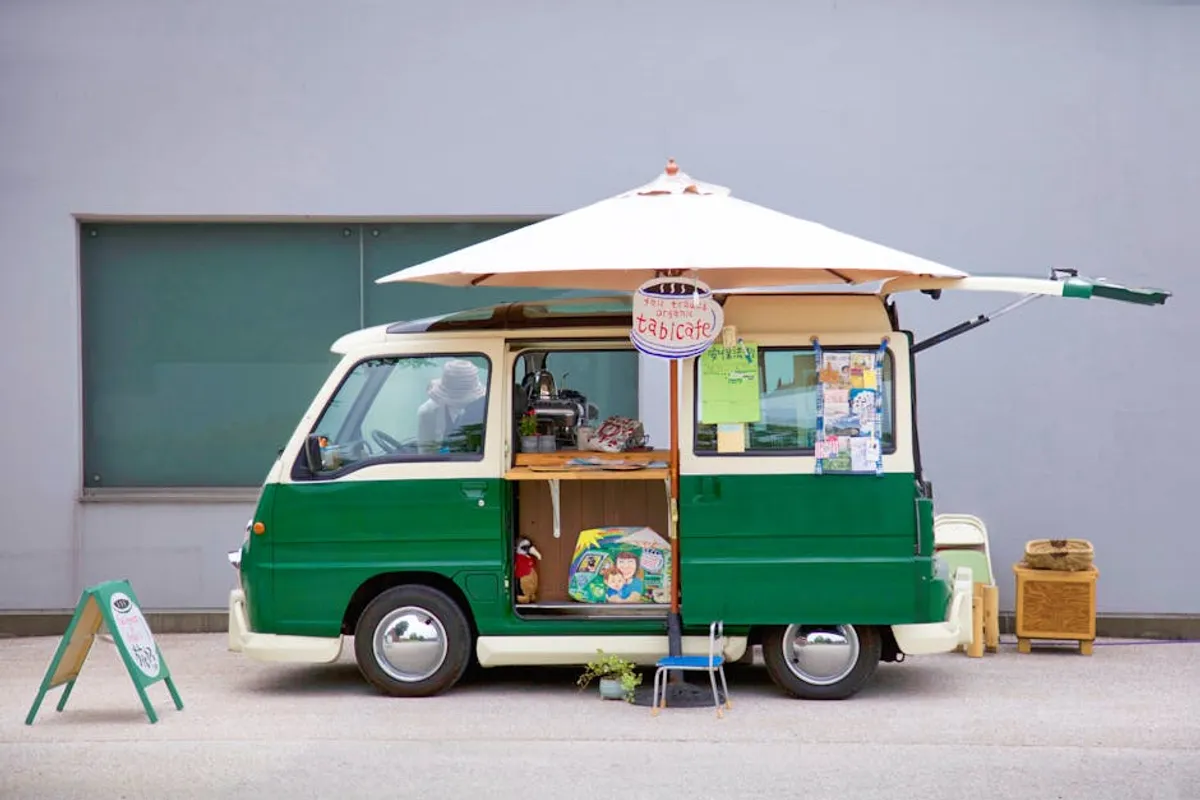
- Versatile Configurations: Available in various body styles, including standard flatbeds, dump trucks, scissor lifts, and van derivatives, catering to specialized tasks.
- Affordable Operation: Lower acquisition costs (especially for imported used models), reduced fuel consumption, and often lower registration fees in their home market contribute to their economic appeal.
Honda Acty: A Specific Kei Truck Profile
The Honda Acty is one of the most recognizable names within the Kei truck and van segment, produced by Honda since 1977. It embodies the core principles of the Kei vehicle class while often showcasing Honda's engineering approach to reliability and practicality. Acty models are typically rear mid-engine, rear-wheel drive (RM-R), with optional four-wheel drive (4WD) systems. This engine placement contributes to a balanced weight distribution, enhancing traction and handling, particularly when loaded.
Common features and configurations of the Honda Acty include:
- Engine Options: Primarily 660cc inline-3 cylinder engines, with both carbureted and fuel-injected variants across generations. Some models feature the E07A engine, known for its robust design.
- Transmission: Manual transmissions (4-speed or 5-speed) are common, with automatic options also available, particularly in later models.
- Cab Styles: Standard two-door cab, with some generations offering "Street" or "Van" variants for enclosed cargo or passenger transport.
- Drivetrain: Available in 2WD (rear-wheel drive) and selectable 4WD, often with a low-range transfer case for improved off-road capability or traction in adverse conditions.
- Payload Capacity: Generally around 350 kg (770 lbs), consistent with Kei truck regulations, making them suitable for light-duty hauling.
Direct Comparison: General Kei Truck vs. Honda Acty
While the Acty is a Kei truck, comparing it to the "Kei truck" category broadly means considering it against competitors like the Suzuki Carry, Daihatsu Hijet, Subaru Sambar, and Mitsubishi Minicab. The distinction often comes down to brand-specific engineering, availability, and niche features.
Engine and Drivetrain Characteristics
Most Kei trucks adhere to the 660cc engine limit. However, the specific engine design and placement can differ. Honda Acty models are often celebrated for their RM-R layout, which provides excellent weight distribution and a flat load floor. Other manufacturers, like Suzuki and Daihatsu, historically used more conventional front-engine, rear-wheel drive (FR) layouts, or even mid-engine, rear-wheel drive (MR) with the engine under the bed. Subaru Sambar models, uniquely, featured a rear-engine, rear-wheel drive (RR) configuration with a supercharger option, offering a distinct driving feel and sound.
Consider: If balanced weight distribution and a smooth ride (even when empty) are priorities, the Acty's RM-R layout is a strong contender. For raw simplicity or specific aftermarket part availability, other FR models might offer different advantages.
Body Styles and Utility
The Honda Acty primarily comes in standard flatbed truck and enclosed van configurations. While highly practical, its factory options for specialized bodies can be less diverse than the broader Kei truck market. Manufacturers like Daihatsu and Suzuki have historically offered a wider array of factory-specialized bodies, including dump beds, scissor lifts, refrigerated units, and even small fire trucks, directly from the factory or through authorized upfitters. These specialized variants can significantly reduce the need for costly aftermarket conversions.
Best for:
- Honda Acty: General hauling, light commercial use, personal utility where a standard bed or van suffices.
- Other Kei Trucks: Specialized applications requiring factory dump beds, scissor lifts, or unique enclosed bodies without extensive modification.
Interior and Comfort
Kei truck interiors are inherently utilitarian. However, subtle differences in cab design, seat adjustability, and noise insulation can impact driver comfort over extended periods. Honda Acty models are generally regarded for their functional ergonomics, with controls placed logically. Some later-model Kei trucks across all brands began incorporating features like air conditioning, power windows, and improved seating materials, though these are never luxury-level. Headroom and legroom remain constrained across the board due to the compact nature.
Pro Tip: When evaluating any Kei truck, including the Acty, always check for rust, especially on the frame, bed, and cab corners. Japanese vehicles imported to regions with road salt can show significant corrosion, which impacts structural integrity and future repair costs. A thorough undercarriage inspection is non-negotiable.
Parts and Maintenance
Being a Honda, the Acty benefits from a globally recognized brand and a relatively robust supply chain for common wear items, even for JDM-specific parts. However, the "Kei truck" category as a whole shares many common components due to the regulatory constraints and shared supplier networks in Japan. Engine parts, brake components, and suspension elements are often interchangeable or readily available through specialized importers. The availability of specific body panels or unique trim pieces can vary significantly between brands and generations.
Consider: While Acty parts are generally accessible, the sheer volume of other Kei trucks imported means that a wide range of parts for Suzuki Carry or Daihatsu Hijet models are also well-stocked by importers. Your decision may hinge on the specific generation and engine code.
Market Availability and Pricing
Both Honda Acty and other Kei trucks enter markets like the US via the 25-year import rule. This means models are typically older, leading to variations in condition, mileage, and features. Actys are popular, which can sometimes lead to slightly higher demand and pricing compared to less common models from other brands, assuming similar condition and mileage. However, overall pricing for the Kei truck category remains highly competitive, driven by condition, specific features (like 4WD or a dump bed), and the importer's markup.
Key factors influencing price:
- Condition: Rust, mechanical soundness, interior wear.
- Mileage: Lower mileage often commands a premium.
- Features: 4WD, air conditioning, power steering, specialized beds (dump, scissor lift).
- Generation: Newer generations (post-1990s) often include more modern amenities.
Final Buying Considerations
Your ultimate choice between a Honda Acty and another Kei truck should be driven by a detailed assessment of your specific needs. If brand familiarity, a known engine layout (RM-R), and a generally reliable reputation are paramount, the Honda Acty is a solid, well-understood option. If your application demands a specialized factory body (like a dump bed or scissor lift), or if you prioritize finding the absolute lowest acquisition cost for a basic utility vehicle, exploring the broader offerings from Suzuki, Daihatsu, or Subaru might yield more suitable results. Always prioritize a thorough inspection for rust and mechanical integrity, regardless of the brand, as these vehicles are typically at least 25 years old. If you need a specialized factory body, exploring the broader Kei truck category might offer more options than focusing solely on the Acty.
Frequently Asked Questions
Are Kei trucks street legal in the US?
Yes, Kei trucks that are 25 years or older can be legally imported into the US under federal "25-year rule" exemptions. State laws for registration and titling vary; some states may restrict their use on certain roads due to speed limitations or require specific modifications.
What is the typical payload capacity of a Kei truck?
Most Kei trucks, including the Honda Acty, have a payload capacity of approximately 350 kg (770 lbs). This is a regulatory limit within the Kei vehicle class, designed for light-duty hauling.
Are parts difficult to find for Kei trucks?
Parts for Kei trucks are generally available through specialized importers and online retailers. While not as common as domestic vehicle parts, a dedicated network exists for sourcing engine components, body panels, and wear items for popular models like the Honda Acty, Suzuki Carry, and Daihatsu Hijet.
Can Kei trucks be used for off-road driving?
Many Kei trucks, especially those equipped with 4WD and a low-range transfer case, offer surprising capability on unpaved roads, farms, or light trails. However, their small wheels, limited ground clearance, and light construction mean they are not designed for extreme off-roading or high-speed rough terrain.