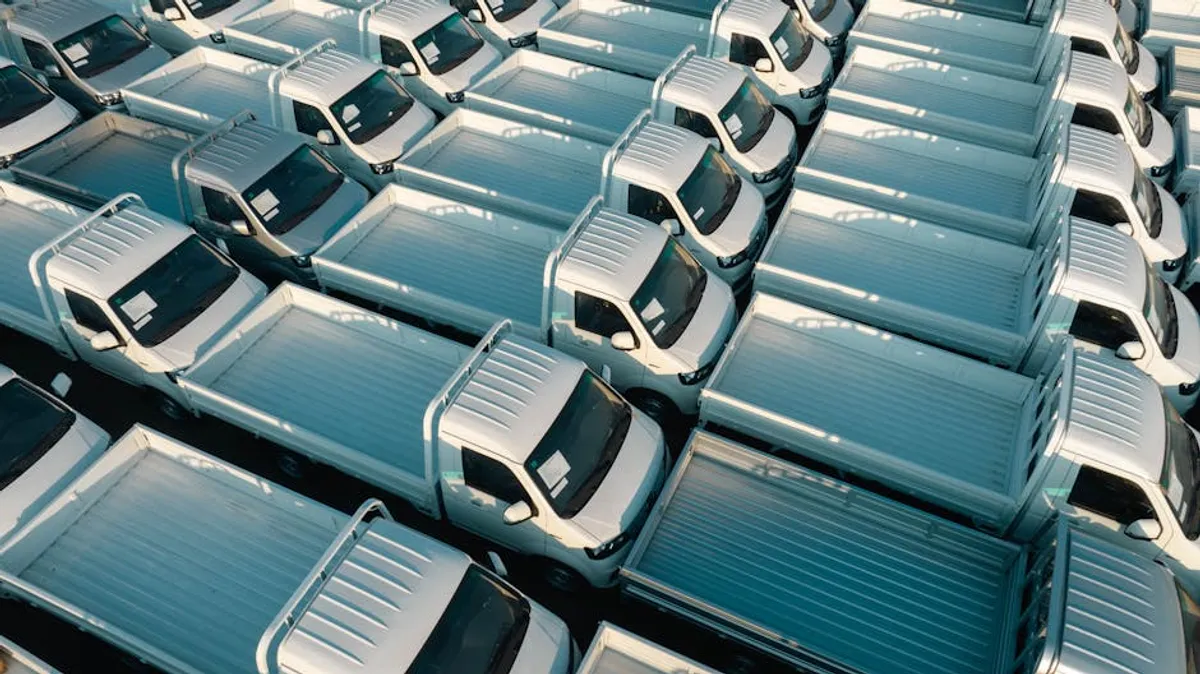
The decision between a Kei truck and an EV pickup truck represents a fundamental divergence in utility, cost, and operational philosophy. These two vehicle types, while both offering open-bed utility, cater to distinctly different buyer profiles and application requirements. A Kei truck, originating from Japan, prioritizes extreme compactness, minimal operating costs, and maneuverability in confined spaces, often serving agricultural, campus, or light urban delivery roles. In contrast, an EV pickup truck leverages electric propulsion for instant torque, zero tailpipe emissions, and advanced technology, targeting a broader spectrum of commercial and personal uses from heavy hauling to off-grid power solutions. Understanding the specific operational context – including budget, payload needs, range requirements, and regulatory landscape – is critical for selecting the vehicle that delivers optimal commercial value. These compact vehicles are gaining popularity for their unique blend of utility and efficiency, and understanding why small Japanese trucks are trending can offer valuable insights.
Initial Acquisition and Long-Term Operating Costs
The financial outlay for a Kei truck versus an EV pickup truck varies significantly, impacting both initial acquisition and ongoing operational expenses.
- Kei Truck: Typically, the purchase price for a used Kei truck, often imported, can be substantially lower than a new EV pickup. However, import duties, shipping, and necessary modifications to meet local road legality standards (e.g., lighting, emissions if applicable) can add unexpected costs. Fuel consumption is low due to small engines, but maintenance for older, imported models can involve sourcing specialized parts, potentially increasing downtime and repair expenses. Insurance costs are generally minimal due to lower valuation and limited performance.
- EV Pickup Truck: New EV pickups command a higher upfront purchase price, often eligible for federal or local tax credits that can partially offset this. Operating costs are generally lower due to electricity being cheaper per mile than gasoline, and reduced maintenance needs from fewer moving parts (no oil changes, spark plugs, or complex exhaust systems). However, battery replacement costs, while infrequent, are substantial. Insurance premiums can be higher due to the vehicle's advanced technology and repair complexity.
Performance Metrics and Practical Capabilities
Comparing performance reveals distinct strengths tailored to different operational demands.
Kei Truck Performance:
Kei trucks are engineered for light-duty tasks, not speed or heavy hauling. Their small engines (typically 660cc) produce modest horsepower, resulting in top speeds around 60-70 mph. Payload capacities generally range from 750 to 1,000 pounds, with towing capabilities often minimal or non-existent for practical purposes. Their compact dimensions (under 11 feet long, 5 feet wide) and tight turning radius make them exceptionally agile in urban environments, narrow trails, or large industrial complexes.
EV Pickup Truck Performance:
EV pickups offer immediate, high torque, translating to brisk acceleration and substantial towing capacities, often exceeding 10,000 pounds for larger models. Payload capacities can range from 1,500 to over 3,000 pounds. Range varies widely by model and battery size, from 200 to over 400 miles on a full charge, though towing or heavy loads significantly reduce this. Their performance often includes advanced traction control, off-road modes, and sophisticated infotainment systems, appealing to users requiring both power and technology.
Utility, Versatility, and Workspace Integration
The utility offered by each vehicle type addresses different operational scales and environments.
Kei Truck Utility:
These vehicles excel in niche applications where their diminutive size is an asset. They are commonly used on farms, golf courses, large campuses, or for light delivery within constrained urban areas. Their open beds, sometimes with fold-down sides, provide practical access for loading and unloading. Some models offer 4WD, enhancing utility on unpaved surfaces. Cabin amenities are basic, focusing on functionality over comfort or advanced features.
Best for: Local deliveries, farm work, campus maintenance, compact urban logistics.
EV Pickup Truck Utility:
EV pickups are designed for broader utility, often incorporating features that extend their use beyond basic transport. Many offer a "frunk" (front trunk) for secure storage, onboard power outlets to run tools or appliances, and advanced bed features like integrated ramps or configurable storage systems. Their larger size accommodates more substantial cargo and multiple passengers in greater comfort. Connectivity and driver-assist technologies are standard, enhancing safety and operational efficiency for commercial fleets or individual contractors.
Best for: Construction, heavy-duty hauling, remote work sites (power export), recreational use, long-distance commercial transport.
Pro Tip: Before committing to a Kei truck, thoroughly research your state or local vehicle registration laws. Many jurisdictions have specific regulations regarding imported mini-trucks, often restricting them to off-road use, specific speed limits, or prohibiting them entirely from public roads due to safety or emissions standards. Verifying legality for your intended use case is paramount to avoid unexpected compliance issues.
Environmental Impact and Regulatory Considerations
Both vehicle types present distinct environmental profiles and regulatory hurdles.
Kei Truck Environmental Profile:
While small, most Kei trucks are gasoline-powered and produce tailpipe emissions. Older models may not meet modern emissions standards, which can be a barrier to registration in some regions. Their small footprint and lower manufacturing complexity compared to larger vehicles offer a different kind of environmental benefit, focusing on resource efficiency in production and minimal road impact.
EV Pickup Truck Environmental Profile:
EV pickups produce zero tailpipe emissions, contributing to improved local air quality. Their overall environmental impact is tied to the source of electricity for charging and the lifecycle of their batteries, from mining raw materials to manufacturing and eventual recycling. As grid infrastructure increasingly incorporates renewable energy, the "well-to-wheel" emissions profile of EVs improves. However, the energy and resource intensity of battery production remains a consideration.
Maintenance, Longevity, and Parts Availability
Long-term ownership experience is shaped by maintenance requirements and the availability of replacement parts.
- Kei Truck Maintenance: These are mechanically straightforward vehicles, often based on simple, robust designs. Routine maintenance is generally easy for any competent mechanic. The primary challenge lies in parts availability for older, less common imported models, which may require ordering from Japan or relying on specialized importers, leading to longer wait times and potentially higher costs for specific components.
- EV Pickup Truck Maintenance: EVs have fewer moving parts, eliminating many traditional maintenance tasks like oil changes, spark plug replacements, and exhaust system repairs. This typically results in lower routine service costs. However, specialized components like battery packs, electric motors, and advanced control systems require dealer-specific diagnostic tools and trained technicians. While less frequent, repairs to these specialized systems can be costly.
Making Your Commercial Choice
The optimal choice between a Kei truck and an EV pickup truck hinges on a precise evaluation of your commercial or operational needs. For businesses requiring an ultra-compact, highly maneuverable, and cost-effective solution for light-duty tasks within a confined or localized area, the Kei truck offers compelling advantages in initial outlay and operational simplicity, provided regulatory compliance is met. Conversely, if your operations demand significant payload and towing capacity, zero tailpipe emissions, advanced technological integration, and the ability to cover longer distances with readily available charging infrastructure, the EV pickup truck represents a future-proof investment with lower long-term fuel costs and enhanced versatility.
Frequently Asked Questions
Are Kei trucks legal to drive on public roads in the United States?
Legality varies by state and local jurisdiction. Many states permit them on public roads, often with restrictions on speed or road types, while others prohibit them entirely. Always verify local regulations before purchase.
What is the typical range of an EV pickup truck?
EV pickup ranges vary significantly by model and battery size, generally falling between 200 and over 400 miles on a full charge. Factors like towing, payload, and weather conditions can reduce this range.
Can Kei trucks be used for heavy-duty towing?
No, Kei trucks are not designed for heavy-duty towing. Their small engines and lightweight chassis limit their towing capacity to very light loads, if any, making them unsuitable for significant hauling.
What are the main advantages of an EV pickup truck over a traditional gasoline pickup?
Key advantages include zero tailpipe emissions, lower "fuel" costs due to cheaper electricity, instant torque for strong acceleration and towing, reduced maintenance requirements, and often advanced technology features like onboard power export.