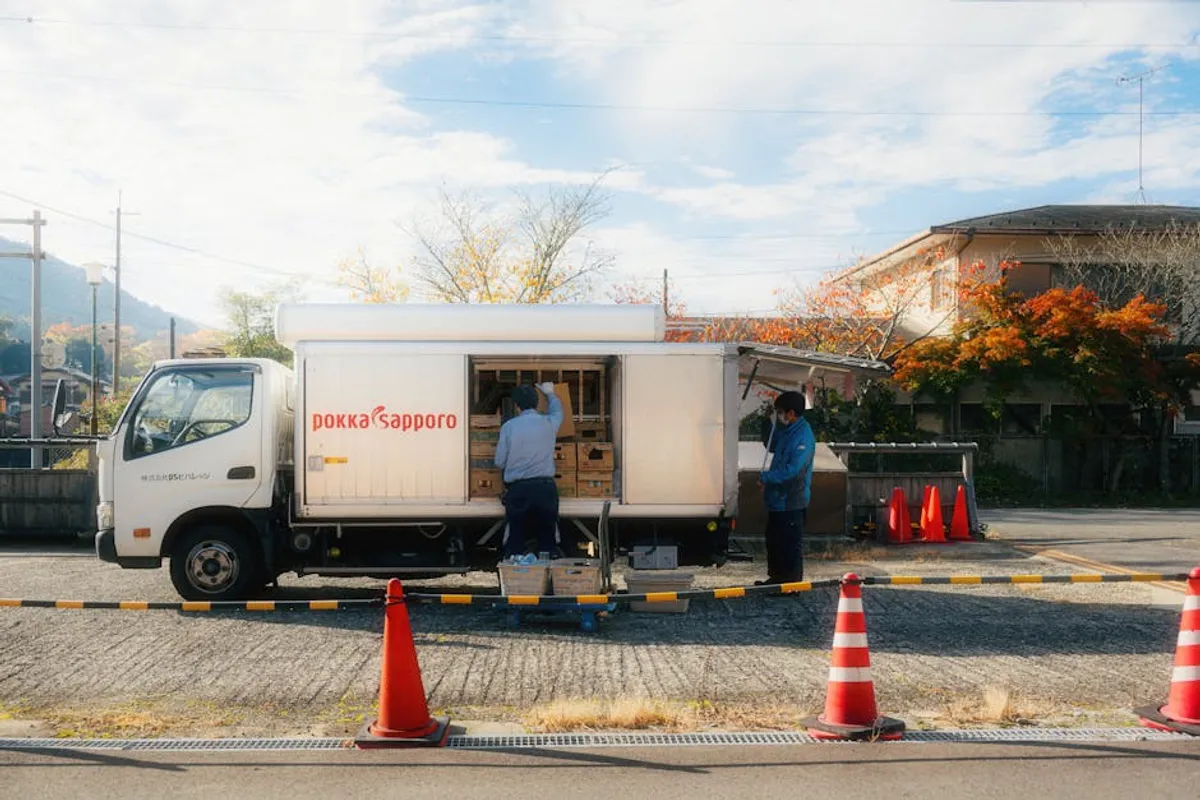
Insuring a Kei truck presents a distinct challenge compared to standard domestic vehicles, primarily due to their import status, compact size, and often specialized usage. Drivers considering or owning these Japanese mini-trucks need to understand that insurance premiums are not uniform. Costs fluctuate widely based on the vehicle's specific characteristics, the driver's profile, and how the truck is titled and used. Navigating this landscape requires identifying insurers familiar with imported vehicles and understanding the specific risk factors they assess, which directly impacts the final premium you pay. Drivers should also understand why small Japanese trucks are trending and what makes them appealing to a growing market.
Understanding Kei Trucks and Their Unique Insurance Profile
Kei trucks, part of Japan's "Kei class" vehicle category, are characterized by their compact dimensions and engines typically under 660cc. While popular for their utility and efficiency in Japan, their status as imported vehicles in many other countries creates a unique insurance scenario. These trucks are often imported under specific exemptions, such as the 25-year import rule in the U.S., which means they might not conform to typical safety or emissions standards for newer vehicles. This distinction influences how insurers categorize and rate them.
Insurers evaluate Kei trucks differently because of several inherent characteristics:
- Parts Availability: Sourcing replacement parts for imported Kei trucks can be more complex and costly than for mass-produced domestic vehicles, increasing potential repair expenses after an incident.
- Valuation Challenges: Establishing an accurate market value for a Kei truck can be difficult for insurers, as they lack extensive comparable sales data within the local market. This ambiguity impacts comprehensive and collision coverage calculations.
- Safety Standards: Many older imported Kei trucks do not meet modern domestic safety standards, potentially increasing the risk of injury in an accident, which in turn affects liability and medical payment coverages.
- Usage Patterns: While some Kei trucks are used for personal recreation or light farm work, others are employed in commercial capacities for landscaping, deliveries, or campus maintenance. The intended use significantly alters the risk profile and required coverage.
Core Factors Influencing Kei Truck Insurance Premiums
Several variables combine to determine the final cost of Kei truck insurance. Understanding these allows drivers to anticipate expenses and seek appropriate coverage.
Driver Profile and History
As with any vehicle, the driver's personal history is a primary determinant of insurance cost.
- Age and Experience: Younger or less experienced drivers typically face higher premiums due to statistical risk.
- Driving Record: A history of accidents, traffic violations, or DUIs will substantially increase rates. A clean record, conversely, helps secure lower premiums.
- Location: Urban areas with higher traffic density, theft rates, or severe weather patterns generally incur higher insurance costs than rural locations.
Vehicle Specifics and Usage
The truck itself and how it's used are critical in risk assessment.
- Year, Make, and Model: While all Kei trucks are small, specific models might have varying safety features or repair complexities. Older models may also be harder to value.
- Modifications: Aftermarket modifications, especially those enhancing performance or altering the original structure, can raise premiums due to increased risk or valuation changes.
- Intended Use: A Kei truck used exclusively for off-road farm work will have a different risk profile than one used for daily street driving or commercial deliveries. Commercial use almost always requires a specialized, often more expensive, commercial policy.
- Storage: Vehicles garaged securely overnight often qualify for lower theft and vandalism rates compared to those parked on the street.
Coverage Types and Limits
The level of protection you choose directly impacts your premium.
- Liability Coverage: This is legally mandated in most regions and covers damages you cause to other vehicles or property, and injuries to other people. Higher limits provide greater protection but increase cost.
- Collision Coverage: Pays for damage to your Kei truck resulting from a collision with another vehicle or object, regardless of fault.
- Comprehensive Coverage: Covers non-collision incidents such as theft, vandalism, fire, natural disasters, and animal impacts.
- Uninsured/Underinsured Motorist (UM/UIM): Protects you if you're hit by a driver without sufficient insurance.
- Medical Payments/Personal Injury Protection (PIP): Covers medical expenses for you and your passengers after an accident, regardless of fault.
Navigating the Specialized Insurance Market
Finding appropriate insurance for a Kei truck often requires a more targeted approach than insuring a common sedan.
Specialized Insurers: Many mainstream insurance companies may not have a standard rating system for Kei trucks due to their import status and unique characteristics. You may need to seek out insurers that specialize in classic cars, collector vehicles, or imported vehicles. These companies are more familiar with the valuation and risk assessment of non-standard vehicles.
Insurance Brokers: Working with an independent insurance broker can be highly beneficial. Brokers have access to multiple insurance providers and can often identify niche insurers willing to cover Kei trucks. They can also help articulate the specific details of your vehicle and its use to underwriters, ensuring you get the most accurate quotes.
Required Documentation: Be prepared to provide extensive documentation for an imported Kei truck. This often includes import papers, proof of legal registration, vehicle identification numbers (VINs), and detailed photos. Some insurers may require an appraisal to establish the vehicle's value.
Pro Tip: When seeking Kei truck insurance, always disclose the vehicle's exact import status, modifications, and specific intended usage. Misrepresenting these details, even unintentionally, can lead to policy cancellation or denial of claims, costing significantly more in the long run than paying a slightly higher initial premium for accurate coverage.
Strategies for Reducing Kei Truck Insurance Costs
While Kei truck insurance can be higher than average, several strategies can help manage costs without compromising essential coverage.
- Shop Around Extensively: Obtain quotes from multiple insurers, especially those specializing in imports or unique vehicles. Rates can vary significantly between providers.
- Increase Deductibles: Opting for a higher deductible on collision and comprehensive coverage will lower your premium. Ensure you can comfortably afford the deductible amount in case of a claim.
- Maintain a Clean Driving Record: A history free of accidents and violations is the most direct path to lower insurance rates over time.
- Bundle Policies: If you have other insurance needs (home, life, other vehicles), inquire about bundling discounts with the same provider.
- Install Safety and Anti-Theft Devices: Alarms, tracking devices, and enhanced locking mechanisms can sometimes qualify for discounts, as they reduce the risk of theft or damage.
- Consider Limited Usage Policies: If your Kei truck is not a daily driver, some insurers offer "pleasure use" or limited mileage policies at reduced rates.
Securing Your Kei Truck Coverage
Insuring a Kei truck requires proactive research and clear communication with potential providers. Begin by gathering all vehicle documentation, including import papers and any modifications. Be transparent about your intended use—whether it's for farm work, recreational driving, or light commercial tasks—as this dictates the type of policy you'll need. Work with brokers who understand the nuances of imported vehicles, and don't settle for the first quote. By understanding the factors at play and actively seeking out specialized options, you can secure appropriate coverage that protects your investment without incurring excessive costs.
Frequently Asked Questions About Kei Truck Insurance
Are Kei trucks expensive to insure?
Kei truck insurance costs can be higher than average due to their status as imported vehicles, challenges in parts availability, and valuation complexities. However, rates vary widely based on driver profile, usage, and the specific insurer.
Can I get standard auto insurance for a Kei truck?
Many standard auto insurance providers may not offer policies for Kei trucks because they are imported and don't fit typical underwriting models. Drivers often need to seek out specialized insurers or work with brokers familiar with classic, collector, or imported vehicles.
What documentation do I need for an imported Kei truck's insurance?
You will typically need import papers, proof of legal registration and titling, the vehicle identification number (VIN), and detailed photos. Some insurers may also require a professional appraisal to determine the truck's market value.
Does usage affect Kei truck insurance rates?
Yes, the intended use significantly impacts rates. A Kei truck used for commercial purposes (e.g., landscaping, deliveries) will require a more expensive commercial policy, while one used for personal recreational or farm use may qualify for a different, potentially lower-cost, personal policy.