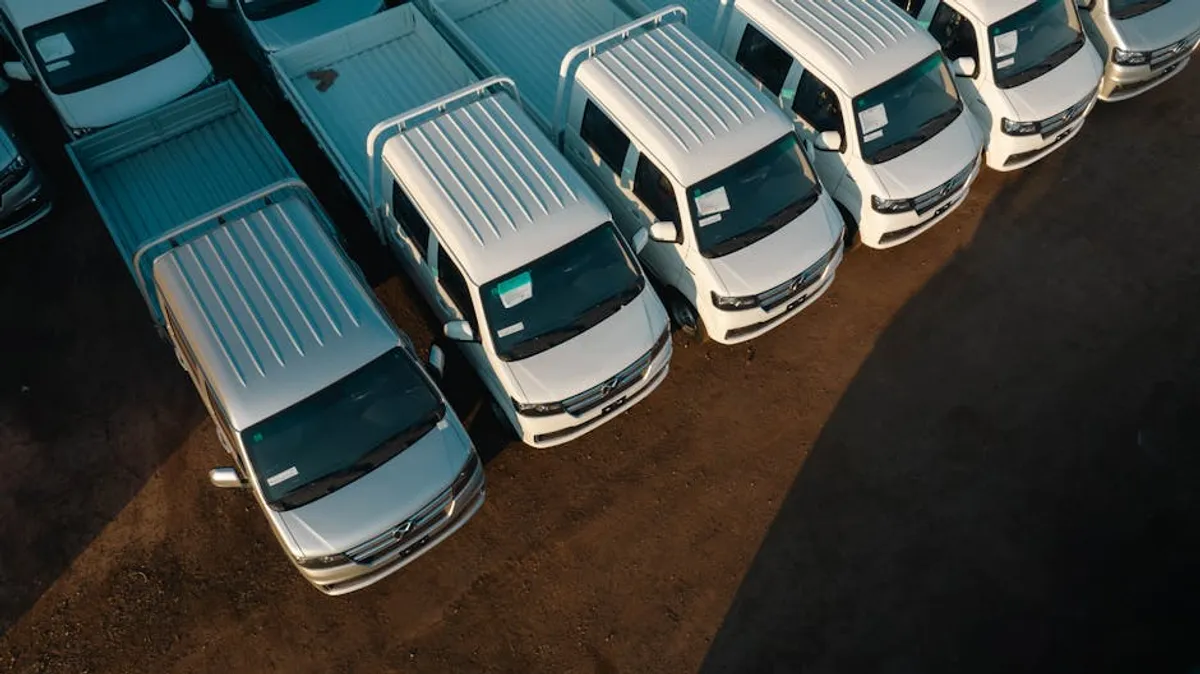
The decision to import a Kei truck from Japan involves more than just selecting a model; it requires a detailed understanding of regulations, logistics, and long-term ownership implications. These compact, fuel-efficient vehicles, ranging from mini-trucks to vans, offer practical utility for specific applications, often at a lower initial cost than comparable domestic options. However, the importing process introduces complexities that can quickly outweigh perceived savings if not meticulously managed. Prospective buyers must evaluate federal and state compliance, the true condition of a vehicle purchased sight-unseen, and the availability of parts and service post-importation. This guide outlines the critical factors to consider before committing to an imported Kei truck, ensuring a clear-eyed assessment of the entire acquisition and ownership lifecycle. Understanding the appeal of these compact fuel-efficient vehicles can help you decide if a Kei truck is the right choice for your needs.
Understanding Kei Truck Appeal and Limitations
Kei trucks, part of Japan's "Kei class" of vehicles, are designed for maximum utility within strict size and engine displacement limits (typically 660cc). Their appeal lies in their compact footprint, exceptional maneuverability, and often robust four-wheel-drive systems, making them ideal for farm use, campus maintenance, or light commercial tasks where space is at a premium. They are also known for their fuel efficiency and low purchase price in Japan.
However, these advantages come with inherent limitations. Kei trucks are not designed for highway speeds, typically topping out around 60-70 mph, and their lightweight construction offers minimal crash protection compared to modern full-size vehicles. Furthermore, their left-hand drive conversion is rare, meaning most imported units remain right-hand drive, which can present a learning curve and safety considerations for drivers in left-hand traffic countries. Understanding these operational boundaries is crucial for matching the vehicle to its intended use.
Navigating Import Regulations and Legalities
The primary hurdle for importing a Kei truck into the United States is federal compliance, specifically the "25-year rule."
Federal Compliance: The 25-Year Rule
Vehicles not originally manufactured to U.S. safety and emissions standards (NHTSA and EPA) are generally prohibited from import. The significant exception is for vehicles 25 years or older, which are exempt from these federal standards. This means that if a Kei truck was manufactured less than 25 years ago, it is exceptionally difficult, if not impossible, to legally import and register for road use in the U.S. without extensive and costly modifications to meet current standards. Always verify the exact manufacture date, not just the model year, as this determines eligibility.
State-Specific Registration and Emissions
Even if federally compliant, state laws vary significantly regarding the registration and street legality of imported Kei trucks. Some states readily title and register these vehicles, while others impose restrictions, such as limiting them to off-road use, farm use, or prohibiting registration entirely. Emissions testing requirements also differ by state and county. It is imperative to research your specific state's Department of Motor Vehicles (DMV) regulations and local emissions laws before purchase. Failure to do so can result in an unregistrable vehicle.
Customs, Duties, and Taxes
Upon arrival, imported vehicles are subject to U.S. Customs and Border Protection (CBP) procedures. This includes customs duties, which are typically 2.5% for passenger vehicles and 25% for trucks (a significant distinction for Kei trucks), plus a Harbor Maintenance Fee. These fees are calculated based on the declared value of the vehicle. Additionally, some states impose sales tax on imported vehicles upon registration. Factor these costs into the total acquisition expense.
Sourcing and Inspection Strategies
Purchasing a Kei truck from overseas requires diligence, as physical inspection is often impossible for the buyer.
Reputable Exporters and Auction Houses
The vast majority of Kei trucks are sourced through Japanese auction houses or directly from exporters. Researching the exporter's reputation is paramount. Look for companies with transparent communication, extensive photo and video documentation of vehicles, and positive reviews from other international buyers. Be wary of exporters offering prices significantly lower than the market average without clear justification.
Pre-Purchase Inspection (PPI) Protocols
Since you cannot inspect the vehicle yourself, a robust pre-purchase inspection (PPI) by an independent third party in Japan is critical. This should go beyond basic photos and include a detailed mechanical assessment. Request specific checks for common issues:
- Rust and Corrosion: Especially on the frame, undercarriage, and cab mounts, common in vehicles from coastal or snowy regions.
- Engine and Drivetrain: Check for oil leaks, unusual noises, proper shifting, and 4WD engagement.
- Electrical Systems: Confirm all lights, wipers, gauges, and accessories function correctly.
- Frame and Body Damage: Look for signs of past accidents, repairs, or structural integrity issues.
- Tire and Brake Condition: Assess wear and tear, and confirm brake functionality.
- Interior Condition: Evaluate seat wear, dashboard integrity, and overall cleanliness.
Pro Tip: Always request high-resolution photos and videos specifically highlighting the undercarriage, engine bay, and any noted imperfections. A reputable exporter will provide these without hesitation. Insist on a video of the engine starting cold and running, demonstrating all gears and 4WD engagement.
The Importation Process and Associated Costs
Once purchased, the vehicle must be transported and cleared through customs.
Shipping Logistics
Shipping options typically include Roll-on/Roll-off (RoRo) or container shipping. RoRo is generally more cost-effective for single vehicles, where the truck is driven onto a ship and secured. Container shipping, while more expensive, offers greater protection and allows for shipping multiple vehicles or additional parts. Transit times vary significantly based on origin port, destination port, and shipping line schedules, often ranging from 4 to 8 weeks.
Port Clearance and Documentation
Upon arrival at a U.S. port, the vehicle must be cleared through CBP. This requires a complete set of documentation, including the original Bill of Lading, the Japanese export certificate (which serves as the title), a Bill of Sale, and CBP Form 7501 (Entry Summary) and Form HS-7 (Declaration for Importation of Motor Vehicles). Many importers use a customs broker to manage this complex paperwork and ensure compliance, which adds to the cost but minimizes potential delays and penalties.
Hidden Costs to Anticipate
Beyond the purchase price, shipping, and duties, several other costs can accumulate: port storage fees if the vehicle isn't picked up promptly, inland transportation from the port to your location, customs broker fees, and potential modification costs if any state-specific requirements exist (e.g., side markers, headlights). Budgeting an additional 20-30% on top of the purchase and shipping price for these variables is a prudent approach.
Post-Importation Considerations
After the truck arrives and clears customs, the final steps involve making it usable and legal.
Registration and Titling
This is often the most challenging part. You will need the CBP entry summary, the original Japanese export certificate (translated if necessary), and proof of sale to apply for a title and registration at your state's DMV. Be prepared for potential bureaucratic hurdles, as many DMV officials may be unfamiliar with the process for imported 25-year-old vehicles. Having all documentation meticulously organized and translated is critical.
Maintenance and Parts Availability
While Kei trucks are generally robust, parts availability can be a concern. Many common wear items (filters, spark plugs, belts) can be cross-referenced with domestic equivalents or sourced from specialty import parts suppliers. However, specific body panels, unique drivetrain components, or interior parts often require ordering directly from Japan, which entails longer lead times and higher shipping costs. Consider building a small inventory of critical spare parts if you plan extensive use.
Insurance Coverage
Insuring an imported Kei truck can sometimes be more complex than insuring a standard domestic vehicle. Some insurance companies may not be familiar with these vehicles or may classify them differently (e.g., as utility vehicles or off-road vehicles). It is advisable to contact several insurance providers to confirm coverage availability and rates before importing, ensuring you can secure adequate protection.
Strategic Ownership Planning
Importing a Kei truck can be a rewarding endeavor for those who understand the process and its nuances. The key to a successful acquisition and ownership experience lies in thorough research, meticulous documentation, and realistic expectations regarding performance and maintenance. Verify all federal and state regulations, vet your exporter, and budget comprehensively for all costs, including potential post-importation modifications and ongoing parts sourcing. By addressing these critical areas proactively, you can mitigate risks and fully leverage the unique utility an imported Kei truck offers.
Frequently Asked Questions
What is the "25-year rule" for importing vehicles into the U.S.?
The 25-year rule allows vehicles that are 25 years or older from their manufacture date to be imported into the U.S. without needing to comply with current federal safety (NHTSA) and emissions (EPA) standards, as they are considered collector's items.
Are Kei trucks street legal in all U.S. states?
No, street legality for imported Kei trucks varies significantly by state. While federally compliant under the 25-year rule, individual states have different regulations regarding registration, titling, and road use, with some restricting them to off-road or farm use only.
How difficult is it to find parts for imported Kei trucks?
Finding parts can be challenging. Common maintenance items may be cross-referenced with domestic parts or sourced from specialty importers. However, unique mechanical or body components often require direct ordering from Japan, leading to longer wait times and higher shipping costs.
What are the most common uses for imported Kei trucks?
Common uses include farm utility vehicles, campus maintenance, light commercial hauling in urban or confined areas, off-road recreational vehicles, and novelty vehicles for enthusiasts due to their compact size, maneuverability, and often 4WD capability.