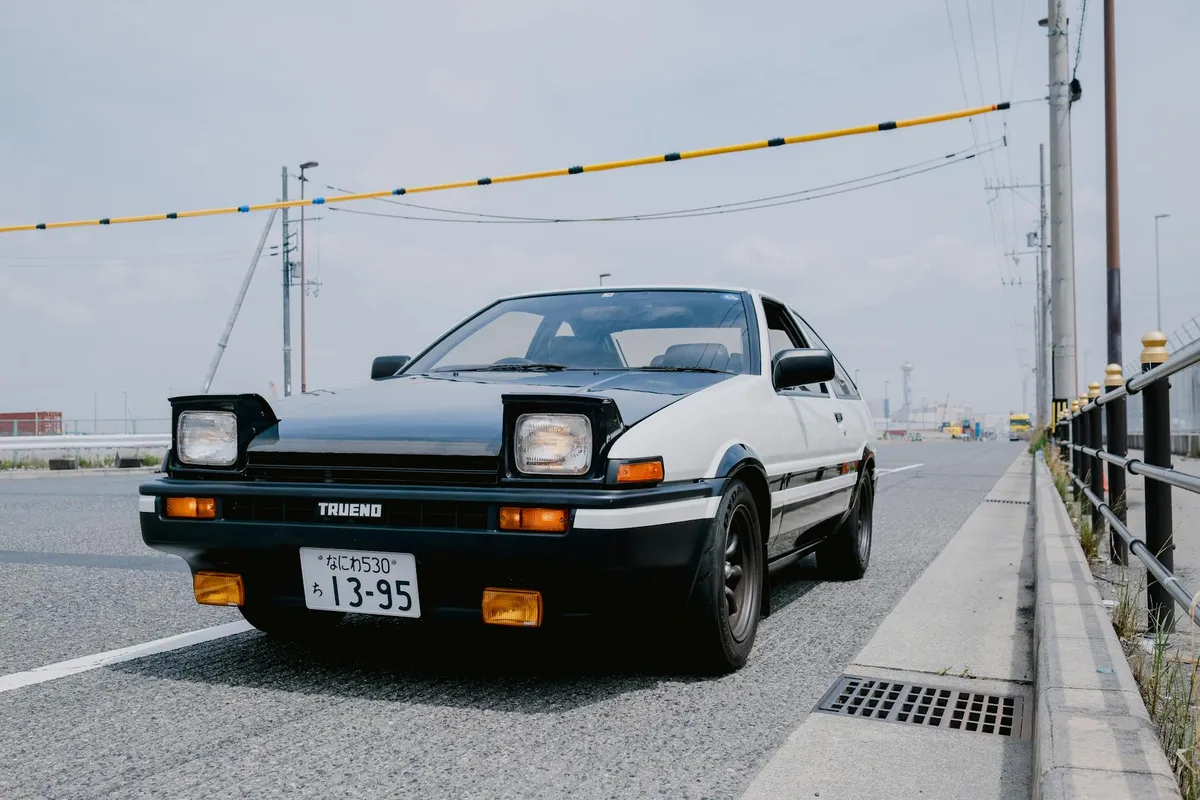
The collector-car market for 1980s and early 1990s Japanese sports cars has been one of the more interesting developments in the auction world over the past decade. Vehicles that were quite ordinary used cars fifteen or twenty years ago — Toyota Supras, Honda NSXs, Nissan Skylines, Mazda RX-7s — have moved into a price range that puts them on the radar of the broader collector-car market in ways that the previous generation of collectors would not have anticipated.
The dynamics underneath the price movement are worth examining because they say something specific about how collector markets actually develop, what produces sustained valuation versus speculative spike, and what the patterns from this segment suggest about other vehicle categories that may be approaching similar inflection points. The auction data, the dealer commentary, and the buyer-side conversations tell a more textured story than the headline auction results capture.
What the auction record actually shows
The auction values for the principal 1980s and early 1990s Japanese sports cars have moved through several phases over the past fifteen years. The early phase, roughly 2010 to 2015, involved gradual appreciation from the previous decade's used-car pricing, with the appreciation generally tracking the broader collector-car market's recovery from the 2008-2009 trough. The vehicles were still trading at prices that were accessible relative to comparable European sports cars from the same era.
The middle phase, roughly 2015 to 2020, involved more pronounced appreciation that took the top examples of certain models into pricing that competed directly with comparable European exotics. The Honda NSX, in particular, moved into a price range that surprised the European-car-focused collectors who had been treating the model as a curiosity rather than a serious collector category. The Nissan Skyline GT-R, particularly the R32 and R34 generations, moved through similar appreciation curves as those vehicles became eligible for U.S. import under the 25-year rule.
The recent phase, roughly 2020 through the present, has involved more volatile pricing with some categories continuing to appreciate, some categories plateauing, and some specific models experiencing visible corrections from prior peak pricing. The category as a whole remains substantially elevated relative to where it was fifteen years ago, but the within-category variation has increased and the directional commentary requires more careful attention to specific models than it did in the more uniformly appreciating earlier phases.
What drove the appreciation in the first place
The drivers of the appreciation were several and interacted with each other in ways that produced more sustained momentum than any single driver would have generated on its own. The demographic driver was important — the buyers who reached the age and economic position for collector-car purchasing through the 2010s were the same buyers who had been the original consumer base for these vehicles when the vehicles were new in the late 1980s and early 1990s. The nostalgia component was real and was reflected in the buyer profile at the auctions where the vehicles were trading.
The cultural-product driver was also substantial. The Fast and the Furious film series, the broader emergence of import-tuner culture in the 2000s, and the visibility of these vehicles in video games and other cultural products created mainstream cultural recognition of the models that extended well beyond the original enthusiast community. The cultural visibility translated into demand among buyers who did not have the original-purchase nostalgia but who recognized the vehicles as significant.
The supply-side driver was important too. The total production numbers for the relevant Japanese sports car models were generally substantial compared to the most exclusive European exotics, but the surviving fleet in good condition has been much smaller than the original production numbers because of the use patterns these vehicles experienced. The high-performance Japanese sports cars were often used hard, were affordable enough that owners did not preserve them as carefully as more expensive vehicles, and frequently received modifications that disqualified them from collector-grade consideration. The supply of unmodified, well-preserved examples is much smaller than the total production figures would suggest.
What the recent volatility tells us
The volatility over the past several years has been informative about the underlying market dynamics. Certain models — the most-iconic, lowest-production examples — have continued to appreciate or have at least maintained their elevated pricing through periods when the broader category has softened. The Honda NSX in genuinely original condition with low mileage, the Nissan Skyline GT-R V-Spec or N1 variants, the more exclusive Mazda RX-7 variants — these specific configurations have shown the most price stability through the recent volatility.
The more common variants and the higher-mileage examples have shown more price softening, with the softening reflecting the dilution of supply as more examples have entered the U.S. market through the 25-year-rule pathway and as the speculative buying of the 2018-2021 period has worked through the holdings of buyers who were primarily price-motivated rather than collection-motivated.
The pattern is consistent with what mature collector-car categories generally look like once the initial appreciation curve has played out. The top examples retain pricing power because the supply of those specific configurations is genuinely limited and the demand is sustained by serious collectors who hold the vehicles long-term. The middle and lower tiers of the category soften because the supply at those tiers is larger and the demand is more speculative.
What this suggests for other categories
The Japanese-sports-car experience has parallels in how several other vehicle categories may develop over the coming decade. The buyer demographics that drove the 1980s Japanese sports car appreciation will be replaced by subsequent buyer demographics with their own nostalgia patterns, and the vehicles that those subsequent demographics will be nostalgic for are increasingly clear.
The mid-1990s and early-2000s sport compacts — the Honda Civic Type R, the various Mitsubishi Lancer Evolution generations, the Subaru WRX STI variants, the more enthusiast-oriented Volkswagen and BMW M variants — appear to be in the early phase of what could become similar appreciation curves. The auction data on these vehicles shows initial movement off the bottom of the used-car pricing curves, with the configurations and conditions that command premium pricing increasingly recognizable.
The American performance vehicles of the same general period — the various Mustang and Camaro special editions, the Dodge Viper, the more exclusive variants of mainstream performance vehicles — have followed somewhat different curves driven by a different buyer demographic, but the underlying dynamics of cultural visibility, supply scarcity in original condition, and demographic timing have produced similar appreciation patterns in those categories.
What the dealers and auction houses are watching
The specialist dealers and auction houses that focus on these categories have generally been more careful about price commentary over the past two years than they were during the peak appreciation period of 2019-2021. The conversations I have had with specialist dealers suggest a working assumption that the top examples of the top-tier configurations will continue to command strong pricing while the middle and lower tiers may see continued softening as supply and demand work through their current imbalance.
The auction houses have been adjusting their consignment strategies accordingly. The flagship sales increasingly feature the top examples of the most-recognized models, with less emphasis on the broader category that filled the auction docks during the peak appreciation period. The auction commentary increasingly distinguishes between configurations and conditions in ways that the earlier appreciation period did not require because the appreciation was broad enough to lift all variants.
"You can't talk about 'the Japanese sports car market' as a single thing anymore," one specialist dealer in California told me. "The top examples are one market. The middle is a different market. The modified or higher-mileage cars are a third market. They're all related, but they're moving differently, and the buyers in each are different now too."
What the long-term picture probably looks like
The Japanese sports car category will probably maintain a substantial position in the broader collector-car market for the foreseeable future. The cultural significance of the models, the supply scarcity of well-preserved examples, and the established collector base for the category provide the foundation for continued market participation by these vehicles. The valuations will probably continue to differentiate by specific configuration and condition in ways that reward the most-original and lowest-production examples while exposing the middle of the category to more variable pricing.
The broader lesson from the Japanese-sports-car experience is that collector markets develop along recognizable patterns that involve demographic timing, cultural visibility, supply dynamics, and the differentiation of price tiers within categories as the markets mature. The buyers who navigate these markets successfully are the buyers who understand the patterns and who position their acquisitions in the tiers and configurations that the patterns favor over the long run rather than in the middle tiers where the appreciation is most vulnerable to subsequent dilution.
The vehicles that today seem ordinary may be tomorrow's collector categories, but the dynamics that determine which specific configurations within those categories command sustained valuation are reasonably predictable from the patterns the more mature collector categories have already established. The Japanese-sports-car experience provides one of the clearer worked examples of how these patterns play out in practice.