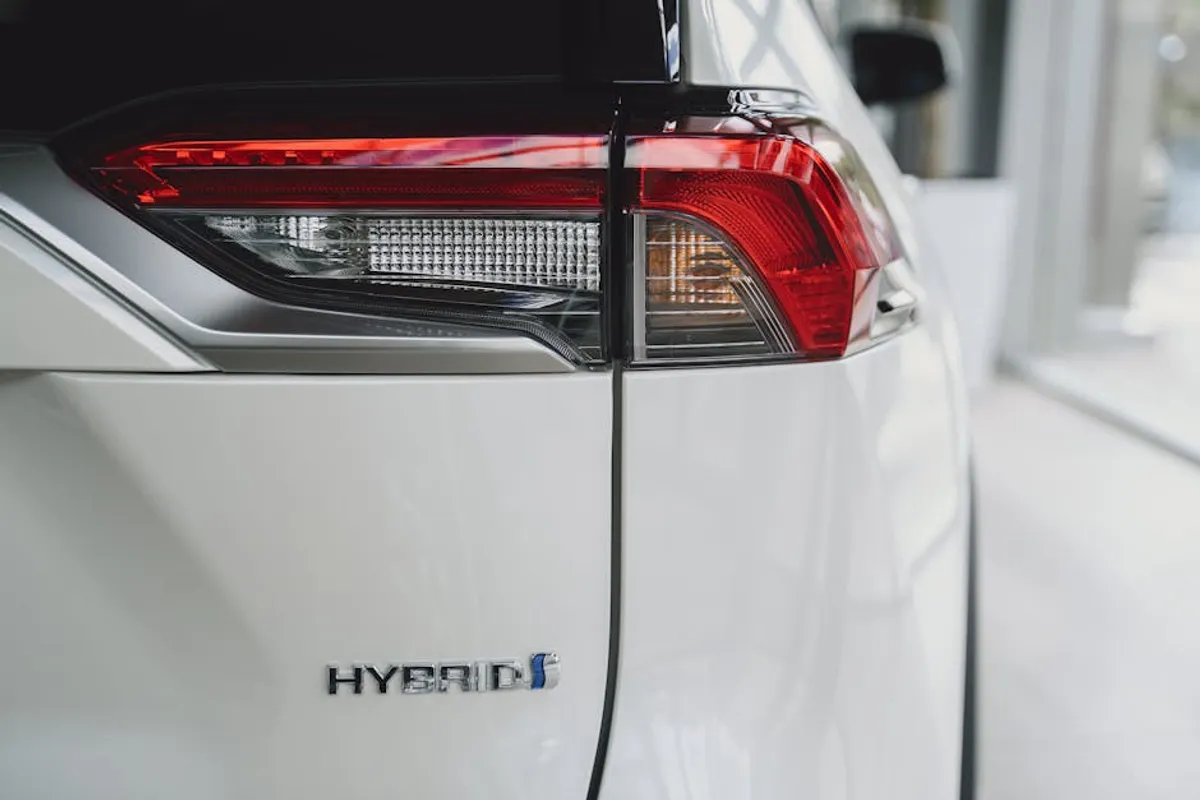
Deciding between a hybrid car and a Nissan Silvia involves a fundamental divergence in automotive priorities. Hybrid cars prioritize fuel efficiency, reduced emissions, and a comfortable, technologically integrated driving experience suitable for daily commuting and general utility. The Nissan Silvia, conversely, is a specialized performance coupe, celebrated for its rear-wheel-drive dynamics, turbocharged engines, and extensive aftermarket support, appealing primarily to enthusiasts focused on spirited driving, track use, or customization projects. This choice isn't about one being inherently "better" but rather which vehicle aligns precisely with an individual's specific driving needs, budget, and long-term automotive goals.
Hybrid Cars: Engineering for Efficiency and Daily Use
Hybrid vehicles integrate an internal combustion engine with one or more electric motors and a battery pack, optimizing fuel consumption and lowering tailpipe emissions. The core engineering objective is efficiency, achieved through regenerative braking, engine stop-start systems, and electric-only propulsion at lower speeds. This design translates directly into reduced running costs for many drivers.
Fuel Economy and Environmental Impact
Modern hybrid cars consistently deliver superior fuel economy compared to their conventional gasoline counterparts, particularly in stop-and-go city driving where electric assistance is most effective. For instance, many compact or mid-size hybrid sedans and SUVs achieve combined EPA ratings exceeding 40 miles per gallon. This efficiency directly reduces fuel expenditure over time. Furthermore, hybrids produce fewer greenhouse gas emissions and pollutants, contributing to a smaller environmental footprint. Buyers focused on sustainability or minimizing their contribution to urban air quality issues often find this a compelling factor.
Driving Dynamics and Practicality
The driving experience in a hybrid car is generally characterized by smooth power delivery and quiet operation, especially during electric-only phases. Acceleration is often adequate for daily driving, with the electric motor providing instant torque to complement the gasoline engine. Practicality is a strong suit; most hybrids are designed as conventional sedans, hatchbacks, or SUVs, offering ample passenger and cargo space, comfortable interiors, and advanced safety features. They function as reliable, low-stress daily drivers, well-suited for commuting, family transport, and long-distance travel where fuel stops are less frequent.
Best for: Daily commuters, families, drivers prioritizing low running costs, environmental consciousness, and a comfortable, quiet ride.
Maintenance and Technology
Hybrid vehicles incorporate advanced powertrain management systems and often feature sophisticated infotainment and driver-assistance technologies. Routine maintenance is largely similar to conventional cars, though specific hybrid components like the battery pack or electric motors may require specialized diagnostics. Hybrid battery longevity has proven robust, with many manufacturers offering extensive warranties (typically 8-10 years or 100,000-150,000 miles). The integration of technology aims to enhance convenience, safety, and the overall driving experience, often including features like adaptive cruise control, lane-keeping assist, and large touchscreen displays.
Nissan Silvia: The Enthusiast's Choice for Performance and Customization
The Nissan Silvia, particularly models like the S13, S14, and S15, represents a different philosophy entirely. These are rear-wheel-drive sports coupes engineered for driver engagement, performance, and a high degree of tunability. They emerged from an era where driving feel and mechanical feedback were paramount, attracting a dedicated following of enthusiasts globally.
Performance Pedigree and Driving Feel
Silvias are renowned for their balanced chassis, responsive steering, and potent turbocharged engines (like the SR20DET). This combination delivers a raw, engaging driving experience that emphasizes connection to the road. Their rear-wheel-drive layout makes them popular for performance driving disciplines such as drifting and track days. Power delivery is direct, and the manual transmission options provide precise control over the engine's output. Unlike hybrids, the Silvia's design prioritizes dynamic capabilities over fuel economy, offering a visceral driving sensation that modern, often heavier, cars struggle to replicate.
Aftermarket Support and Customization
One of the Silvia's most significant appeals is its extensive aftermarket support. A vast ecosystem of performance parts, suspension components, engine modifications, and body kits exists, allowing owners to customize their vehicles to an unprecedented degree. This makes the Silvia a popular platform for:
- Engine swaps and power upgrades
- Suspension tuning for track or drift use
- Aerodynamic enhancements and body modifications
- Interior personalization
- Brake system upgrades
This customization potential fosters a strong community and allows owners to tailor the car precisely to their performance goals and aesthetic preferences. It's a vehicle designed to be modified and improved upon, not just driven as-is.
Best for: Automotive enthusiasts, tuners, track day participants, drifters, and collectors seeking a customizable, engaging, and performance-oriented driving machine.
Ownership Considerations and Collectibility
Owning a Nissan Silvia, especially an older model, often involves a different set of considerations than a new hybrid. Parts availability for specific trim levels or older components can be challenging, though the aftermarket often fills these gaps. Maintenance can be more hands-on, and fuel economy is significantly lower than a hybrid. Insurance costs might also be higher due to the vehicle's performance nature and theft risk. However, well-maintained and unmodified examples, particularly the S15 Spec R, are becoming increasingly collectible, potentially appreciating in value over time, unlike most mass-produced hybrids.
Pro Tip: When considering a Nissan Silvia, thoroughly research the vehicle's history for accident damage, rust, and previous modifications. A pre-purchase inspection by a specialist familiar with JDM performance cars is crucial. Many Silvias have been heavily modified, and the quality of these modifications can vary widely, impacting reliability and safety.
Making Your Choice: Aligning with Your Driving Needs
The decision between a hybrid car and a Nissan Silvia boils down to a clear distinction in purpose and desired ownership experience. There is no single "best" option; the ideal choice is the one that best serves your individual context.
If your primary concerns are fuel efficiency, environmental impact, low running costs, and a comfortable, reliable vehicle for daily transportation, a hybrid car represents the pragmatic choice. You gain modern safety features, often superior technological integration, and a generally hassle-free ownership experience with predictable maintenance.
Conversely, if you are an automotive enthusiast who prioritizes driver engagement, performance, the thrill of customization, and a vehicle with a distinct character and potential collectibility, the Nissan Silvia offers an unmatched experience. This path often involves a greater commitment to maintenance, understanding of performance modifications, and acceptance of lower fuel economy, but it delivers a deeply rewarding connection to the machine.
Consider your daily commute, your budget for fuel and maintenance, your interest in vehicle modification, and what you ultimately seek from your driving experience. These factors will guide you to the vehicle that truly fits your lifestyle.
Frequently Asked Questions
Are hybrid cars expensive to maintain?
Routine maintenance for hybrids is comparable to conventional gasoline cars. While specialized hybrid components like the battery pack can be costly to replace, they are designed for longevity, and manufacturers typically offer long warranties, making unexpected costs less common during the vehicle's primary lifespan.
Can a Nissan Silvia be used as a daily driver?
While a Nissan Silvia can technically be driven daily, its firm suspension, lower fuel economy, and lack of modern amenities might make it less comfortable or practical than a contemporary car. Many owners reserve Silvias for spirited weekend drives, track use, or as project cars rather than primary transportation.
What are the main benefits of a hybrid car?
The primary benefits of hybrid cars include significantly improved fuel efficiency, reduced tailpipe emissions, quieter operation in electric mode, and often a smooth, comfortable ride, making them economical and environmentally friendlier choices for daily commuting.
Is the Nissan Silvia a good first car for a new driver?
The Nissan Silvia is generally not recommended as a first car for new drivers due to its powerful rear-wheel-drive dynamics, potential for high insurance costs, and the need for a nuanced understanding of vehicle control, especially in modified examples.