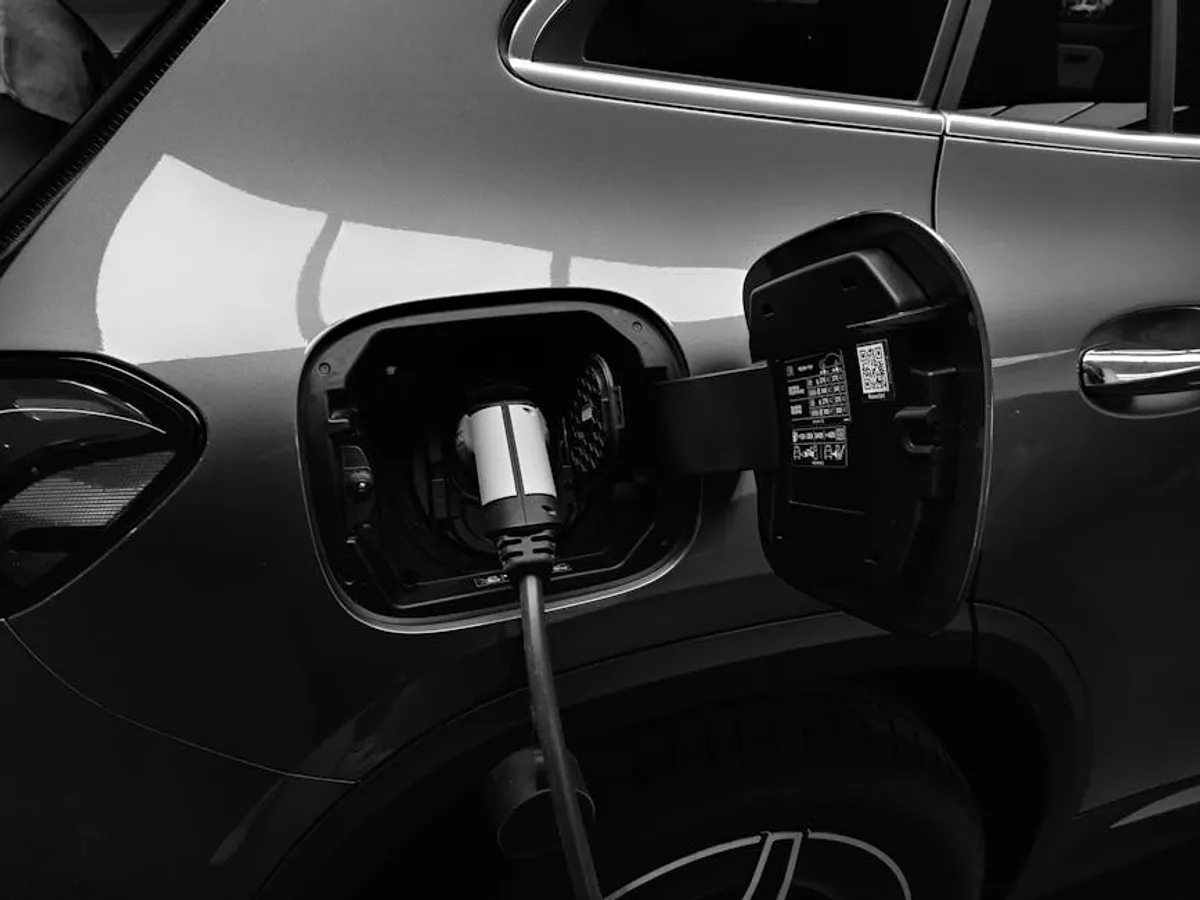
Deciding between a hybrid car and a Kei truck requires a clear understanding of their fundamental design philosophies and intended uses. These vehicles represent distinct approaches to personal and commercial transportation, each optimized for different priorities. A hybrid car typically prioritizes fuel efficiency, reduced emissions, and passenger comfort for daily commuting, family transport, or longer journeys. In contrast, a Kei truck, originating from Japan's "Kei" class, is engineered for maximum utility in a minimal footprint, excelling at light hauling, maneuverability in tight spaces, and often serving specific agricultural or small business needs. The choice hinges on your primary application, operating environment, and long-term ownership expectations.
Hybrid Cars: Efficiency, Comfort, and Broad Appeal
Hybrid cars integrate an internal combustion engine with an electric motor and battery pack, primarily to enhance fuel economy and reduce tailpipe emissions. This powertrain configuration allows for electric-only propulsion at low speeds, regenerative braking to recharge the battery, and combined power for acceleration, resulting in significantly lower fuel consumption compared to conventional gasoline vehicles.
Fuel Economy and Environmental Footprint
Modern hybrid vehicles consistently deliver superior miles per gallon (MPG) ratings, particularly in stop-and-go city driving where the electric motor can operate more frequently. This translates directly to lower operational costs over time. Furthermore, their ability to run on electric power for short distances or assist the gasoline engine minimizes CO2 emissions, contributing to a reduced environmental impact. Buyers focused on long-term fuel savings and ecological considerations often find hybrids a compelling option.
Driving Experience and Passenger Comfort
Hybrid cars are designed with the typical passenger vehicle experience in mind. They offer comfortable seating for multiple occupants, climate control systems, and a range of infotainment and safety features. The transition between electric and gasoline power is generally smooth and quiet, contributing to a refined driving experience. Acceleration is often brisk due to the combined power delivery, and they are well-suited for highway speeds and extended travel, providing stability and predictable handling.
Versatility and Vehicle Types
The hybrid powertrain has been integrated into a wide array of vehicle segments, including compact sedans, mid-size SUVs, and even minivans. This broad availability means buyers can find a hybrid to fit diverse lifestyle needs, from urban commuting and family road trips to light utility tasks that don't require an open bed. Their enclosed cabins protect occupants and cargo from elements, making them practical for all-weather use.
Kei Trucks: Compact Utility and Niche Capabilities
Kei trucks are a class of mini-trucks adhering to specific Japanese regulations concerning vehicle dimensions, engine displacement (typically 660cc or less), and power output. Their design prioritizes utility, compactness, and low operating costs, making them highly specialized workhorses.
Maneuverability and Compact Dimensions
The defining characteristic of a Kei truck is its diminutive size. With a narrow body and short wheelbase, these vehicles excel in tight urban environments, crowded construction sites, or narrow agricultural paths where larger trucks cannot operate. Their exceptional turning radius allows for precise navigation and parking in confined spaces, making them invaluable for specific logistical challenges.
Cargo Capacity and Specialized Hauling
Despite their small footprint, Kei trucks are engineered to maximize cargo utility. They feature an open bed, often with drop-down sides, providing flexible loading and unloading options for various materials. While their payload capacity is modest compared to full-size pickups, it is significant for their size, typically ranging from 750 to 1,000 pounds. They are frequently used for landscaping, farm work, campus maintenance, or local deliveries where heavy loads are not the primary requirement but frequent, small-scale transport is.
Cost of Ownership and Import Considerations
Kei trucks generally have a lower initial purchase price, especially for used import models. Their small engines contribute to low fuel consumption, though not always as efficiently as a hybrid car in mixed driving. However, buyers must consider potential import fees, registration complexities, and the availability of parts and specialized service, particularly for vehicles not originally manufactured for the local market. Insurance costs can also vary based on vehicle type and origin.
Driving Dynamics and Practical Limitations
The driving experience in a Kei truck is utilitarian. They are designed for function over comfort, often featuring basic interiors, minimal sound insulation, and a firm ride. Their small engines provide adequate power for local speeds but are not optimized for sustained highway travel, where they can feel underpowered and less stable. Safety features may also be less advanced than those found in modern passenger vehicles. Their open bed, while versatile, leaves cargo exposed to weather and theft unless secured with a cover.
Pro Tip: When considering a Kei truck, thoroughly research local and state regulations regarding vehicle registration, emissions compliance, and highway legality. Some jurisdictions have specific restrictions on imported Kei vehicles that can affect their usability and increase compliance costs, potentially limiting them to off-road or private property use.
Key Decision Factors for Vehicle Selection
The choice between a hybrid car and a Kei truck boils down to a direct assessment of your operational needs and priorities:
- Primary Use Case:
- Hybrid Car: Best for daily commuting, family transport, long-distance travel, and general passenger vehicle requirements where fuel efficiency and comfort are paramount.
- Kei Truck: Ideal for specific utility tasks like light hauling, gardening, farm work, campus maintenance, or local deliveries in confined areas.
- Operating Environment:
- Hybrid Car: Optimized for city, suburban, and highway driving; performs well in varied traffic conditions.
- Kei Truck: Excels in urban alleys, rural properties, construction sites, and off-road paths; less suited for sustained highway speeds.
- Cargo and Passenger Needs:
- Hybrid Car: Prioritizes enclosed passenger space and secure, weather-protected cargo within a trunk or SUV cargo area.
- Kei Truck: Offers an open, flexible bed for bulk items, tools, or materials, typically seating only one or two occupants.
- Long-Term Costs:
- Hybrid Car: Higher initial cost often offset by significant fuel savings and potentially lower emissions taxes. Standard maintenance.
- Kei Truck: Lower initial cost, but potential for higher import fees, specialized parts sourcing, and varying registration costs depending on jurisdiction.
Making Your Purchase Decision
To make an informed decision, begin by clearly defining the primary purpose your new vehicle will serve. If your daily routine involves commuting, transporting passengers, or regular highway travel, and you prioritize fuel economy, comfort, and modern amenities, a hybrid car is the more appropriate choice. Its versatility across different driving scenarios and its established support infrastructure make it a reliable option for most personal and light professional uses.
Conversely, if your requirements are centered on highly specific utility tasks—such as navigating extremely tight spaces, transporting light but bulky materials, or operating on private property or within specific commercial zones—a Kei truck offers unmatched specialization. Its compact size and open bed are assets for niche applications, but be prepared for a more utilitarian driving experience and potential complexities related to importation and local vehicle regulations.
Frequently Asked Questions
Are Kei trucks street legal in all areas?
Street legality for Kei trucks varies significantly by state and country. While many can be registered for road use, some jurisdictions impose restrictions on highway driving or require modifications to meet local safety and emissions standards. Always verify local regulations before purchasing.
Do hybrid cars require special maintenance?
Hybrid cars follow similar maintenance schedules to conventional gasoline vehicles, but they also have specific checks for the hybrid battery and electric motor system. These components are generally designed for the life of the vehicle, and routine service typically involves standard fluid changes, tire rotations, and brake inspections.
What is the typical fuel economy for a Kei truck?
Kei trucks, with their small engines, generally offer good fuel economy for their class, often in the range of 30-40 MPG, depending on the model, load, and driving conditions. However, this can be less efficient than a modern hybrid car, especially at higher speeds or under constant load.
Can a hybrid car tow a trailer?
Many hybrid cars, particularly SUV and truck variants, are rated for towing. However, their towing capacities are generally lower than those of conventional gasoline or diesel vehicles of similar size, as the hybrid system is primarily optimized for fuel efficiency, not heavy hauling. Always consult the manufacturer's specifications for exact towing limits.