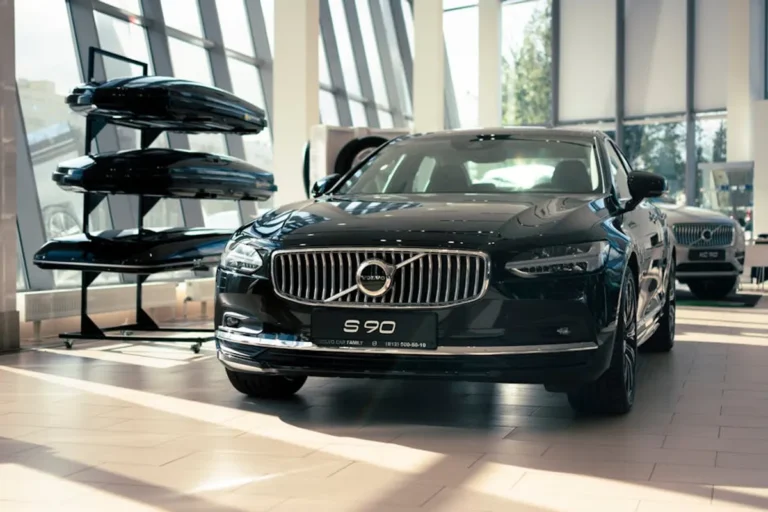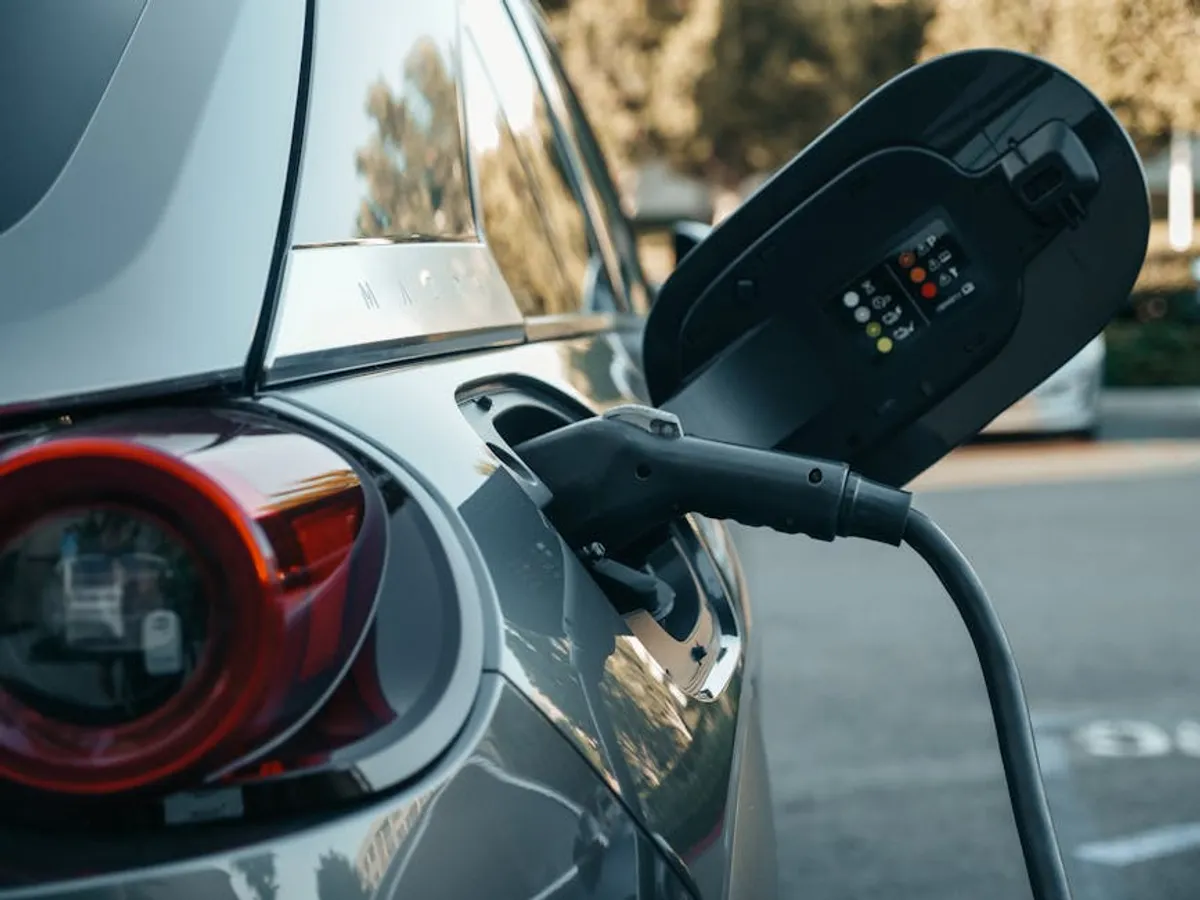
Deciding between a hybrid car and a cheap sports car involves weighing fundamentally different priorities. One emphasizes efficiency and reduced environmental impact, while the other prioritizes driving engagement and performance within a budget. This choice isn't about identifying a universally "better" vehicle, but rather aligning a car's core attributes with your specific daily needs, financial outlook, and personal driving preferences. Understanding the distinct value propositions and compromises of each category is crucial for making an informed purchase that satisfies both practical requirements and emotional desires.
Hybrid Cars: Efficiency and Practicality
Hybrid vehicles combine an internal combustion engine with an electric motor and battery pack, designed primarily to improve fuel economy and reduce emissions. Their core appeal lies in operational cost savings and a more environmentally conscious footprint, without the range anxiety often associated with fully electric vehicles.
Fuel Efficiency and Environmental Impact
The primary benefit of a hybrid car is its superior fuel economy, particularly in stop-and-go city driving where the electric motor can operate independently or assist the gasoline engine. This translates directly into lower fuel costs over the vehicle's lifespan. For example, a compact hybrid sedan might achieve 50 MPG combined, significantly outperforming a conventional gasoline equivalent. Reduced tailpipe emissions, including CO2 and other pollutants, also contribute to a smaller environmental footprint, appealing to buyers prioritizing sustainability.
Practicality and Daily Use
Most hybrid cars are designed with practicality in mind, often based on existing sedan or SUV platforms. This means they typically offer comparable passenger and cargo space to their conventional counterparts. The driving experience is generally smooth and quiet, especially at lower speeds when the electric motor is active. Hybrids are well-suited for daily commuting, family transport, and long-distance travel where frequent refueling is undesirable. The integration of electric power often provides instant torque, making urban driving feel responsive.
Purchase Price and Long-term Costs
Initial purchase prices for new hybrid vehicles can sometimes be slightly higher than their gasoline-only equivalents, reflecting the added technology of the hybrid powertrain. However, this premium is frequently offset by lower fuel costs over time. Maintenance costs are generally comparable to conventional cars, though some specialized hybrid components like battery packs may require replacement after many years, which can be a significant expense. Insurance rates are typically moderate, similar to non-performance vehicles.
Best for: Drivers prioritizing low running costs, environmental considerations, quiet operation, and practical daily usability for commuting or family transport.
Cheap Sports Cars: Performance and Driving Engagement
Cheap sports cars, often defined as entry-level performance vehicles or older, well-maintained models, focus on delivering an engaging driving experience at an accessible price point. Their appeal is rooted in direct feedback, responsive handling, and a sense of connection to the road, often prioritizing dynamics over sheer practicality or fuel economy.
Performance and Driving Experience
The defining characteristic of a cheap sports car is its emphasis on performance, even if not outright speed. This includes sharp steering, firm suspension, and responsive powertrains designed to provide exhilaration. Whether it's a nimble roadster or a compact performance coupe, the focus is on driver involvement. Acceleration, cornering ability, and the audible feedback from the engine are central to the experience. These cars are built to be driven, not just to transport.
Aesthetics and Brand Appeal
Sports cars often feature distinctive styling that communicates their performance intent. Low slung profiles, aggressive body lines, and specific wheel designs contribute to an aesthetic that stands apart from more utilitarian vehicles. For many buyers, the emotional connection to a particular brand's performance heritage or the visual statement a sports car makes is a significant draw. This can translate into a sense of pride of ownership that goes beyond mere transportation.
Maintenance and Insurance Costs
While the initial purchase price might be "cheap," ownership costs for sports cars can be higher. Performance-oriented tires, brakes, and specialized fluids often carry a premium. Insurance rates can also be significantly higher due to the vehicle's performance capabilities, higher likelihood of accidents, and increased theft risk. Fuel economy is typically lower than that of a hybrid, especially when driven enthusiastically, leading to higher running costs.
Best for: Enthusiasts seeking an engaging driving experience, responsive handling, distinctive styling, and a strong emotional connection to their vehicle, often willing to accept compromises in practicality and running costs.
Direct Comparison Points
When placing these two vehicle types side-by-side, several key differentiators emerge that directly influence the buying decision.
- Fuel Economy vs. Driving Thrill: Hybrids offer superior MPG, directly reducing operating expenses. Sports cars prioritize acceleration, handling, and driver feedback, which often comes at the expense of fuel efficiency.
- Cost of Ownership: Hybrids generally have lower long-term fuel costs. Sports cars can incur higher expenses for insurance, performance-specific maintenance, and fuel.
- Practicality and Space: Most hybrids are designed for utility, offering adequate passenger and cargo room for daily tasks. Cheap sports cars often compromise on interior space, rear seating, and trunk capacity in favor of a compact, performance-oriented chassis.
- Environmental Impact: Hybrids produce fewer emissions and contribute less to air pollution. Sports cars, especially older models, typically have a larger carbon footprint due to less efficient engines.
- Resale Value: Both categories can hold value well, but for different reasons. Popular hybrids benefit from consistent demand for efficiency, while certain sports car models can appreciate due to their enthusiast appeal or rarity.
Pro Tip: Before committing to a cheap sports car, obtain detailed insurance quotes and research common maintenance issues for specific models. The "cheap" purchase price can quickly be overshadowed by high ongoing costs, especially for older, enthusiast-focused vehicles with specialized parts or complex repairs.
Making Your Purchase Decision
The optimal choice between a hybrid car and a cheap sports car depends entirely on your individual priorities and lifestyle. There is no single "right" answer, but rather a decision informed by a clear understanding of what you value most in a vehicle.
If your daily routine involves significant commuting, if financial savings on fuel are a high priority, or if you seek a vehicle with a lower environmental impact and practical utility, a hybrid car represents a logical and financially sound choice. These vehicles excel at efficient, comfortable, and reliable transportation.
Conversely, if your primary motivation for owning a car is the joy of driving, if you prioritize dynamic handling and acceleration over fuel economy, and if you view a car as an extension of personal expression, then a cheap sports car could offer a deeply satisfying experience. This choice often involves accepting compromises in practicality and potentially higher running costs for the sake of driving engagement.
Consider your typical usage patterns, your budget for both purchase and ongoing ownership, and the emotional connection you desire from your vehicle. Test driving multiple options from both categories will provide direct experience, helping to solidify which type of car truly aligns with your expectations.
Frequently Asked Questions
Are hybrid cars truly more environmentally friendly?
Yes, hybrid cars generally produce fewer tailpipe emissions than conventional gasoline vehicles, particularly in urban driving. Their combined powertrain reduces fuel consumption, leading to a smaller carbon footprint over their operational life.
What are the common hidden costs of owning a cheap sports car?
Hidden costs for cheap sports cars often include higher insurance premiums, increased fuel expenses due to lower MPG, and potentially more expensive maintenance for performance-specific parts like tires, brakes, and specialized fluids. Older models may also require more frequent or costly repairs.
Can a hybrid car be fun to drive?
While not typically designed for raw performance, many modern hybrids offer responsive acceleration due to the instant torque of their electric motors. Some models, especially performance-oriented hybrids, can provide an engaging driving experience, though it differs from the mechanical feedback of a traditional sports car.
Is it harder to find parts for older cheap sports cars?
For popular older sports cars, parts availability is often good through aftermarket suppliers and enthusiast communities. However, for rarer or more obscure models, finding specific components can be challenging and costly, potentially leading to longer repair times.