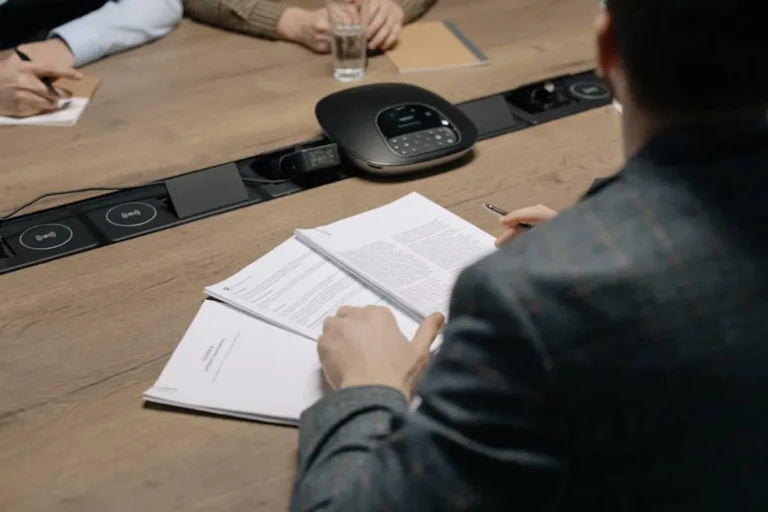
Negotiating the price of a used car represents a critical juncture in the vehicle acquisition process, directly impacting your total financial outlay and long-term satisfaction. Unlike new car purchases with fixed MSRPs, used car pricing often includes significant flexibility, creating an opportunity for informed buyers to secure substantial savings. This process is less about confrontation and more about strategic preparation, understanding market dynamics, and effective communication. Approaching the negotiation with a clear understanding of your financial boundaries, the vehicle's true market value, and common seller tactics positions you to achieve a favorable outcome.
Pre-Negotiation Homework: Know Your Value
Effective negotiation begins long before you set foot on a dealership lot or meet a private seller. Comprehensive research provides the leverage necessary to justify your offer and counter inflated prices. Without this foundation, you rely on guesswork, which rarely leads to the best deal.
Research Market Value
Before engaging with any seller, establish a clear understanding of the target vehicle's fair market value. This involves consulting multiple reputable sources that analyze recent sales data for similar makes, models, years, mileage, and trim levels in your geographic area. Sites like Kelley Blue Book, Edmunds, and the National Automobile Dealers Association (NADAguides) provide valuation tools that factor in condition and regional demand. Print out these valuations to serve as objective reference points during discussions. Discrepancies between your research and the asking price provide concrete grounds for negotiation, shifting the conversation from opinion to data.
Key data points to collect:
- Average retail price for the specific make/model/year.
- Private party sale price averages.
- Price adjustments for mileage variations.
- Impact of specific trim levels and optional features on value.
- Regional price differences.
Understand Vehicle History
A vehicle's past significantly influences its current value and potential future maintenance costs. Obtain a comprehensive vehicle history report from services like CARFAX or AutoCheck using the vehicle identification number (VIN). These reports detail accident history, service records, odometer discrepancies, previous ownership, and any reported liens. A clean history report supports a higher valuation, while red flags such as major accidents, flood damage, or salvage titles provide strong justification for a lower offer or, in some cases, a decision to walk away entirely. Do not rely solely on the seller's verbal assurances; verify every claim with documented evidence.
Get Your Financing in Order
Securing pre-approved financing from your bank or credit union before you start shopping offers several strategic advantages. First, it establishes your maximum budget, preventing emotional overspending. Second, it provides a benchmark interest rate against which you can compare any financing offers from a dealership. Dealers often mark up interest rates as a profit center; having your own financing ready gives you the power to decline unfavorable terms or negotiate for a better rate. This separation of the car price negotiation from the financing negotiation allows you to focus on one variable at a time, simplifying the process and reducing potential confusion.
The Negotiation Arena: Tactics and Temperament
With your research complete and financing secured, you are ready to engage with sellers. This phase demands patience, clear communication, and a strategic approach to offers and counter-offers.
Initial Contact and First Offers
When making initial contact, whether online or in person, express interest but avoid revealing your maximum budget or pre-approved financing details immediately. Your goal is to ascertain the seller's flexibility. When making your first offer, aim below your target price but within a reasonable range of the market value you researched. An offer that is too low risks alienating the seller, while one too high leaves less room for movement. Justify your offer with data points from your market research and any identified issues from the vehicle history report or your initial inspection. This demonstrates you are an informed buyer, not just a low-baller.
Pro Tip: Always negotiate the "out-the-door" price. This total includes the vehicle price, taxes, registration fees, and any dealer documentation fees. Focusing solely on the vehicle price can lead to hidden costs inflating the final amount. Insist on a written breakdown of all charges before agreeing to any terms.
Leverage Inspection Findings
Before finalizing any purchase, arrange for a pre-purchase inspection (PPI) by an independent, certified mechanic. This is non-negotiable for used cars. A PPI can uncover latent mechanical issues, wear-and-tear items, or safety concerns that are not immediately apparent. The cost of any necessary repairs identified during the PPI becomes a powerful negotiation point. For example, if the mechanic finds worn brakes requiring $800 in repairs, you can confidently request a price reduction of at least that amount, or even more, citing the unexpected expense you will incur immediately after purchase. This shifts the burden of repair costs to the seller or justifies a lower purchase price.
The Art of Concession and Counter-Offers
Negotiation is a back-and-forth process. Expect the seller to counter your initial offer. Respond with a slightly higher offer, but ensure each concession is smaller than the seller's previous one. This signals that you are nearing your maximum while still being willing to compromise. Maintain a polite but firm demeanor. Avoid emotional attachment to the vehicle; your objective is a transaction, not a personal connection. If the seller is unwilling to budge significantly, reiterate your justified offer based on market data and inspection findings.
When to Walk Away
The most powerful tool in any negotiation is the willingness to walk away. If a seller is unwilling to meet your reasonable offer, if the vehicle has too many undisclosed issues, or if the terms become unfavorable, politely end the discussion. There are always other used cars available. Walking away demonstrates that you are not desperate and are committed to your financial limits. Often, a seller who sees you genuinely leaving may reconsider and contact you later with a more agreeable offer.
Beyond the Sticker Price: Other Negotiables
The vehicle's price is often just one component of the total transaction. Savvy buyers understand that other elements can also be negotiated, further enhancing the overall value of the deal.
Extended Warranties and Service Contracts
Dealerships frequently offer extended warranties or service contracts. While these can provide peace of mind, they are often heavily marked up. Do not accept the first price offered. Research third-party warranty providers for comparable coverage and pricing. Use this information to negotiate the dealer's warranty price down or simply decline it if your pre-approved financing or personal budget doesn't account for it. Understand exactly what is covered and for how long, as terms can vary widely.
Trade-ins
If you have a trade-in, negotiate its value separately from the purchase price of the used car. First, agree on the price of the car you are buying. Once that is settled, then discuss your trade-in. This prevents the dealer from manipulating both figures to create an illusion of a good deal on one while shortchanging you on the other. Research your trade-in's value beforehand using the same market research tools you used for the car you're buying.
Dealer-Installed Accessories
Some dealerships pre-install accessories like paint protection, interior treatments, or security systems, then add them to the price. If these are not items you specifically requested or desire, negotiate their removal from the price. If removal isn't possible, insist on a significant discount on the vehicle to offset their cost. Be firm; you should not pay for unwanted additions.
Practical Application: Securing Your Deal
Once you've reached an agreement on all terms – the vehicle price, trade-in value, and any additional items – ensure everything is documented in writing. Review the purchase agreement meticulously before signing. Verify that the agreed-upon price, financing terms, and any included accessories or services are accurately reflected. Pay close attention to any additional fees that may have been added. Do not be rushed; take your time to read every line. A signed agreement is legally binding, so confirm its accuracy aligns precisely with your negotiated terms.
Frequently Asked Questions
Is it better to negotiate in person or online?
Both methods have merits. Online negotiation can be more efficient, allowing you to gather quotes from multiple sellers without travel. However, in-person negotiation offers the advantage of direct interaction, allowing you to assess the vehicle's condition personally and gauge the seller's motivation more effectively through body language and immediate responses. A hybrid approach, starting online to narrow down options and then negotiating in person, often yields the best results.
What is a reasonable starting offer percentage below the asking price?
A common strategy is to start your initial offer 10-20% below the asking price, especially if the vehicle has been listed for a while or if your research indicates the asking price is inflated. However, this percentage should always be grounded in your market value research and the vehicle's specific condition. An extremely low offer without justification can be counterproductive.
Should I mention my trade-in early in the negotiation?
Generally, no. It is advisable to negotiate the price of the used car you intend to purchase first, separate from any discussion about your trade-in. This strategy prevents the dealer from obscuring the true value of either transaction by bundling them. Once a firm price for the new-to-you car is established, then introduce your trade-in.
How do I handle "take it or leave it" offers?
"Take it or leave it" offers are often a tactic to pressure buyers. If you've done your research and know your walk-away price, you can confidently decline if the offer is not favorable. Politely state that you appreciate their time but the offer doesn't meet your requirements, and be prepared to leave. Sometimes, this action alone prompts the seller to reconsider.