The decision between a Honda Acty and a Toyota Tundra is not a typical apples-to-apples comparison. These vehicles occupy fundamentally different segments of the automotive market, designed for disparate purposes and user profiles. One is a compact, highly maneuverable micro-truck or van, often imported from Japan, while the other is a robust, full-size pickup engineered for heavy-duty work and substantial payloads in North America and beyond. Understanding these core distinctions is crucial before considering a purchase, as your choice will dictate capabilities, running costs, and overall suitability for your intended use.
Core Differences in Vehicle Class and Purpose
The primary divergence lies in their fundamental design and intended application. The Acty is a Kei class vehicle, adhering to strict Japanese regulations regarding size, engine displacement, and power output. The Tundra, conversely, is a large, body-on-frame truck built to navigate demanding terrain and tow significant loads.
Honda Acty: The Micro-Utility Specialist
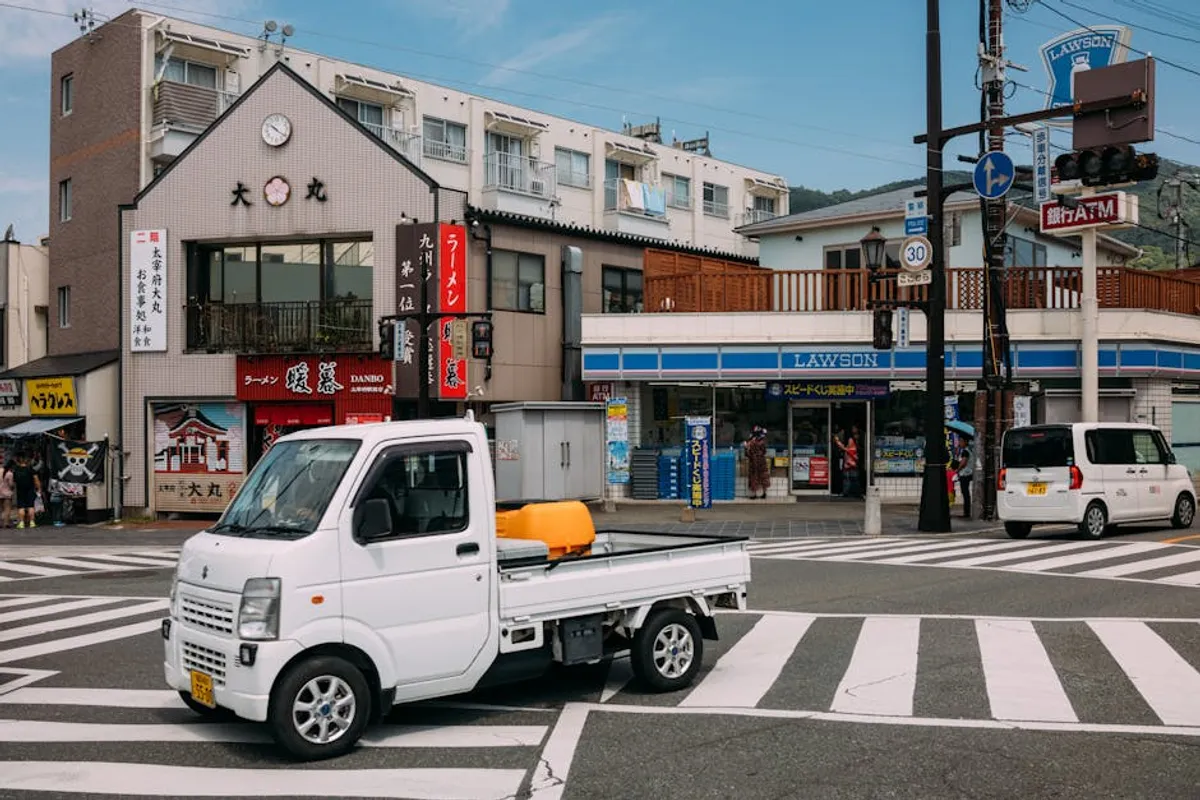
The Honda Acty is part of Japan's Kei car segment, characterized by its diminutive footprint and small-displacement engine (typically 660cc). It was engineered for efficiency, maneuverability in congested urban environments, and light-duty hauling. The Acty is available in various configurations, including a pickup truck, van, and even specialized models like dump trucks or refrigerated units. Its compact dimensions make it ideal for:
- Urban deliveries in tight spaces.
- Farm or ranch utility for moving feed, tools, or small equipment.
- Campus or facility maintenance.
- Niche recreational uses, such as campground transport or off-road trail support where full-size vehicles are impractical.
Its primary appeal often comes from its unique styling, low operating costs, and surprising utility for its size. However, its capabilities are strictly limited to light loads and lower speeds.
Toyota Tundra: The Full-Size Workhorse
The Toyota Tundra is a full-size pickup truck, designed to compete directly with other large American pickups. It features a robust chassis, powerful engine options (typically V6 or V8), and a spacious cabin. The Tundra is built for demanding tasks, offering substantial towing and payload capacities. Its design prioritizes durability, power, and the ability to handle challenging conditions. The Tundra excels at:
- Heavy-duty towing of trailers, boats, or campers.
- Transporting large payloads of construction materials, equipment, or supplies.
- Off-road adventures and navigating rough terrain.
- Family transport, offering a comfortable ride and ample passenger space in crew cab configurations.
The Tundra's strength lies in its ability to perform tasks that would overwhelm smaller vehicles, providing a blend of capability, comfort, and modern safety features.
Performance, Capability, and Drivetrain
The performance metrics and capabilities of these two vehicles exist at opposite ends of the spectrum, directly reflecting their design philosophies.
Engine and Power Output
The Honda Acty typically employs a 660cc three-cylinder engine, producing around 40-50 horsepower. This engine is designed for fuel efficiency and adequate power for its light curb weight, not high-speed highway travel or heavy hauling. Top speeds are generally limited, and acceleration is modest. Many Acty models feature a manual transmission, and some offer selectable 4WD, which enhances traction for off-pavement light-duty work.
The Toyota Tundra, in contrast, offers significantly larger engines, such as a 3.4-liter twin-turbo V6 or previous generation V8s ranging from 4.6 to 5.7 liters. These engines produce upwards of 300-400 horsepower and substantial torque, enabling rapid acceleration, sustained highway speeds, and the power required for heavy towing. Tundras typically come with automatic transmissions and offer advanced 4WD systems for enhanced off-road performance and traction in adverse conditions.
Hauling and Towing Capacity
Honda Acty: Payload capacity typically ranges from 350 kg to 500 kg (approximately 770-1100 lbs), depending on the specific model and configuration. Towing capacity is minimal and generally not recommended for anything beyond very light trailers, often under 500 lbs. These limitations are a direct consequence of its small engine and lightweight chassis.
Toyota Tundra: Payload capacities frequently exceed 1,500 lbs, with some configurations approaching 2,000 lbs. Towing capacities are a key selling point, often ranging from 8,000 lbs to over 12,000 lbs, depending on the engine, drivetrain, and specific trim. This allows the Tundra to handle substantial trailers, from large boats to multi-horse trailers or heavy equipment.
Practical Considerations: Size, Fuel Economy, and Cost
The day-to-day practicalities of owning an Acty versus a Tundra are as divergent as their performance figures.
Maneuverability and Footprint
The Honda Acty's compact size is one of its greatest assets. With an overall length typically under 3.4 meters (134 inches) and a narrow width, it can navigate extremely tight spaces, park in compact spots, and perform tight turns with ease. Its small turning radius makes it highly agile in urban or confined environments.
The Toyota Tundra is a substantial vehicle, often exceeding 5.8 meters (230 inches) in length and 2 meters (78 inches) in width. While this size translates to interior space and cargo capacity, it also necessitates more careful navigation in crowded areas, larger parking spaces, and a wider turning radius. Maneuvering a Tundra in a dense city or a multi-story parking garage can be challenging.
Running Costs and Acquisition Price
Fuel Economy: The Acty, with its small engine and light weight, delivers excellent fuel economy, often in the range of 35-45 MPG (miles per gallon) or more, depending on driving conditions and specific model. This makes it an economical choice for short-distance, light-duty work.
Pro Tip: When considering an imported Honda Acty, factor in potential costs for parts availability and specialized maintenance. While the initial purchase price can be low, sourcing specific components might require international shipping, impacting repair timelines and budgets. Verify local mechanic expertise before committing.
The Tundra, due to its large engine and weight, has significantly lower fuel economy, typically ranging from 15-22 MPG. While competitive within its class, it represents a much higher operational cost in terms of fuel consumption compared to an Acty.
Acquisition Price: Used Honda Acty models, particularly older imports, can be acquired for a relatively low price, often ranging from $5,000 to $15,000, depending on condition, mileage, and specific features. New Toyota Tundra models start in the mid-$40,000s and can exceed $70,000 for higher trims and specialized configurations. This significant price difference reflects the modern features, larger scale, and advanced engineering of the Tundra.
Interior, Features, and Safety
Modern vehicle expectations for comfort and safety are starkly different between these two vehicles.
Cabin Comfort and Technology
The Honda Acty's interior is utilitarian and basic. While functional, it lacks the creature comforts and advanced technology found in contemporary vehicles. Expect manual windows, basic climate control, and minimal infotainment options. Seating is designed for practicality over plush comfort, suitable for short trips rather than long hauls.
The Toyota Tundra offers a modern, spacious cabin with a focus on driver and passenger comfort. Higher trims include premium materials, advanced infotainment systems with large touchscreens, smartphone integration (Apple CarPlay, Android Auto), heated/ventilated seats, and sophisticated climate control. The Tundra's interior is designed for long-distance travel and provides a refined experience.
Safety Standards
Older Honda Acty models (pre-2000s) often lack modern safety features such as airbags, anti-lock brakes (ABS), or electronic stability control (ESC). Their crash test performance, if available, would not meet current standards. Newer Acty models might incorporate some basic safety improvements, but they are still designed to different regulatory standards than full-size trucks sold in markets like North America.
The Toyota Tundra is equipped with a comprehensive suite of modern safety features. This includes multiple airbags, ABS, ESC, traction control, and often advanced driver-assistance systems (ADAS) like adaptive cruise control, lane departure warning, blind-spot monitoring, and automatic emergency braking. It undergoes rigorous crash testing and is designed to meet stringent contemporary safety regulations.
Making the Right Choice for Your Needs
The choice between a Honda Acty and a Toyota Tundra boils down to a precise assessment of your operational requirements and budget. You are not choosing between two types of the same thing; you are choosing between entirely different tools for entirely different jobs.
Choose the Honda Acty if:
- Your primary need is light-duty hauling or transport in confined urban or rural environments.
- Maneuverability and a small footprint are paramount.
- Fuel efficiency and low acquisition cost are top priorities.
- You anticipate mostly short-distance, lower-speed travel.
- You appreciate unique, utilitarian vehicles and are prepared for potential import-specific maintenance considerations.
Choose the Toyota Tundra if:
- You require significant towing and payload capacity for heavy trailers or large cargo.
- Your driving involves frequent highway travel or demanding off-road conditions.
- You prioritize modern safety features, comfort, and advanced technology.
- You need a spacious cabin for passengers or interior storage.
- Your budget accommodates a higher acquisition price and ongoing fuel costs for a full-size truck.
Ultimately, the Honda Acty serves as a specialized, economical micro-utility vehicle, while the Toyota Tundra is a versatile, powerful full-size truck built for demanding work and family transport. Your ideal vehicle will be the one that aligns most closely with your specific tasks and lifestyle.
Frequently Asked Questions
Can a Honda Acty be legally driven on highways?
In many regions, a Honda Acty can be legally driven on highways, provided it meets local registration and safety requirements. However, its small engine and low top speed make it less suitable for sustained highway travel, especially at higher speeds or with heavy loads, potentially impacting safety and traffic flow.
What is the typical lifespan of a Toyota Tundra?
Toyota Tundras are renowned for their durability and longevity. With proper maintenance, it is common for Tundra owners to report their trucks lasting well over 200,000 to 300,000 miles, making them a reliable long-term investment for many users.
Are parts difficult to find for a Honda Acty?
Parts for a Honda Acty can be more challenging to source than for domestically sold vehicles. Many parts may need to be imported directly from Japan, which can lead to longer wait times and potentially higher costs. However, a growing network of specialized importers and online communities can assist in finding necessary components.
Does the Toyota Tundra offer a hybrid option?
Yes, newer generations of the Toyota Tundra offer hybrid powertrain options. These models combine a gasoline engine with an electric motor to provide increased power, torque, and improved fuel efficiency compared to traditional gasoline-only powertrains in the full-size truck segment.