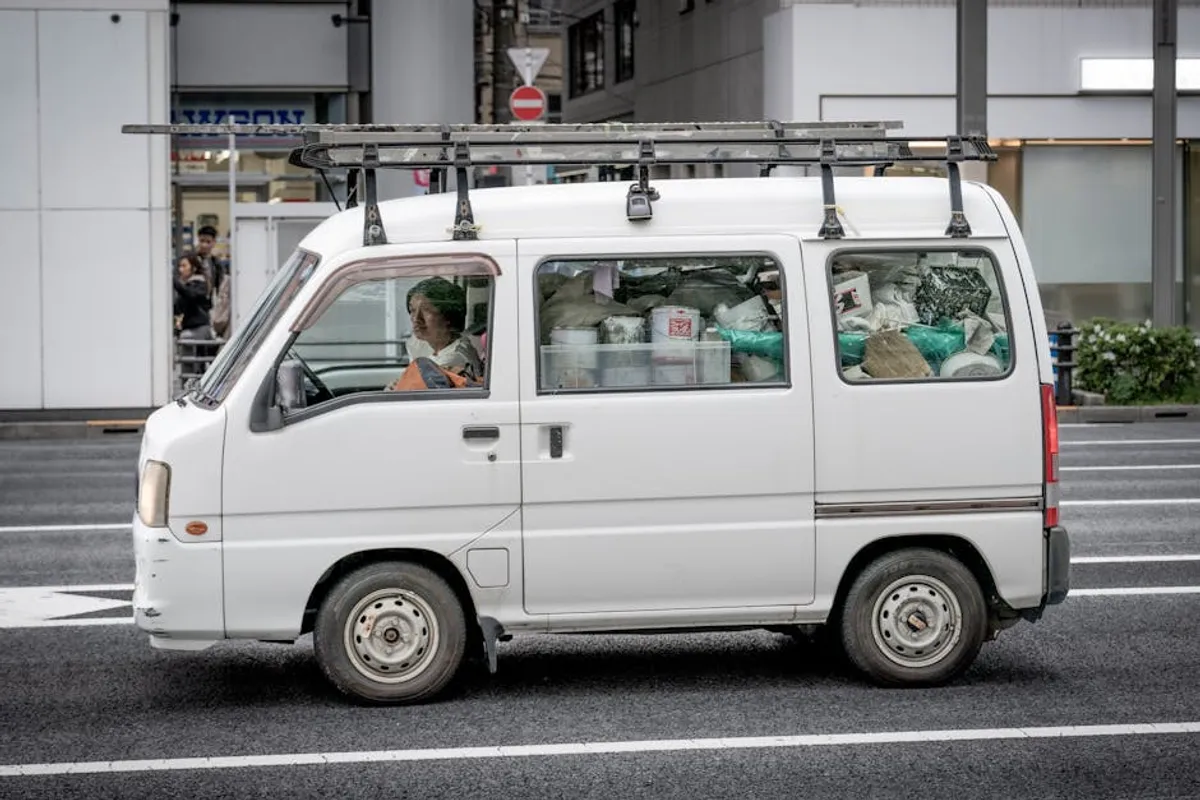
Purchasing a Honda Acty involves navigating specific considerations unique to imported Kei vehicles. These compact utility vehicles, manufactured by Honda primarily for the Japanese domestic market, offer distinct advantages for specific use cases, from urban deliveries to farm utility. Their small footprint, fuel efficiency, and robust design make them appealing, but the import process, maintenance, and specific model variations require careful evaluation before commitment.
Understanding the Honda Acty's Appeal
The Honda Acty series, encompassing both trucks and vans, has a history rooted in Japan's Kei car regulations, which dictate maximum dimensions, engine displacement, and power output. This classification results in a highly maneuverable, economical vehicle designed for tight spaces and efficient transport of goods or passengers.
Key Generations and Body Styles
The Acty has evolved through several generations, each with subtle differences in styling, features, and mechanical components. Early models, like the HA1/HH1 series (1977-1988), are now well past the 25-year import rule. More commonly imported are the HA3/HA4/HH3/HH4 series (1990-1999), known for their E07A engine and often featuring a more modern aesthetic. Later generations, such as the HA6/HH5 (1999-2009) and HA8/HA9 (2009-2021), offer refinements but might still be subject to import restrictions depending on their manufacture date.
The primary body styles are the Acty Truck (a mini-pickup with a flatbed) and the Acty Van (a small, enclosed cargo or passenger van). Trucks often come in standard cab, "Street" (more passenger-oriented), or specialized configurations like dump beds or scissor lifts. Vans offer enclosed, weather-protected cargo space or seating for up to four, making them versatile for various light-duty applications.
Engine and Drivetrain Variants
Most Acty models are powered by a compact, mid-mounted three-cylinder engine. The E05A (547cc) was common in earlier models, while the E07A (656cc) became standard in the 1990s, offering slightly more power within Kei regulations. These engines are known for their simplicity and reliability but require consistent maintenance. Drivetrain options typically include 2WD (rear-wheel drive) and 4WD. The 4WD system, often selectable, provides enhanced traction for off-road or adverse weather conditions, a significant consideration for rural or utility use. Transmissions are usually 5-speed manuals, though 3-speed or 4-speed automatics are also available, impacting fuel economy and driving feel.
Critical Pre-Purchase Considerations
Before committing to an Acty, a thorough evaluation of its condition, legality, and future maintenance needs is essential.
Importation Process and Legality
The most significant hurdle for many buyers is the 25-year import rule in the United States, which exempts vehicles older than 25 years from federal motor vehicle safety and emissions standards. Verify the vehicle's manufacture date precisely. State-specific registration laws also vary, with some states having more stringent emissions or inspection requirements for imported vehicles. Researching your local Department of Motor Vehicles (DMV) regulations beforehand is crucial to avoid registration issues.
Rust and Corrosion Inspection
Given their age and potential exposure to harsh Japanese winters (road salt), rust is a primary concern. Inspect the undercarriage thoroughly, paying close attention to:
- Frame rails and crossmembers
- Suspension mounting points
- Brake lines and fuel lines
- Wheel wells and rocker panels
- Bed floor (for trucks) and cargo area floor (for vans)
- Door sills and around windshield seals
Surface rust is common, but advanced structural rust can render a vehicle unsafe or require expensive repairs.
Mechanical Health Check
Even with low mileage, age affects rubber components and fluids. A pre-purchase inspection by a qualified mechanic familiar with Japanese imports is highly recommended. Key areas to check include:
- Engine: Look for oil leaks, listen for unusual noises (ticking, knocking), check coolant condition, and verify proper idle. Compression tests can indicate engine health.
- Transmission: For manuals, check clutch feel and gear engagement. For automatics, ensure smooth shifts without slipping or harshness.
- Suspension: Inspect bushings, shocks, and springs for wear or damage. Pay attention to steering play.
- Brakes: Check pad and rotor wear, fluid level, and overall braking performance.
- Electrical: Test all lights, wipers, horn, and accessories like air conditioning (if equipped).
Parts Availability and Maintenance
While basic maintenance items (oil filters, spark plugs) can often be cross-referenced, specific body panels, interior components, or specialized engine parts may require ordering from Japan or through dedicated import parts suppliers. Factor in potential shipping times and costs. Joining Acty owner forums and communities can provide valuable resources for parts sourcing and maintenance advice.
Pro Tip: When evaluating a Honda Acty, always request detailed photos or a video of the undercarriage, especially the frame rails and suspension attachment points. Rust in these critical areas is often a deal-breaker and can be expensive to remediate correctly.
Evaluating Specific Models and Features
Truck vs. Van: Utility Differences
Best for:
- Truck: Hauling small loads, landscaping, farm work, light construction, or as a unique promotional vehicle. Offers open-air versatility.
- Van: Enclosed cargo transport, mobile pet grooming, small business deliveries, or as a compact, fuel-efficient passenger vehicle for short distances. Provides weather protection.
2WD vs. 4WD: Driving Conditions
Consider:
- 2WD (Rear-Wheel Drive): Sufficient for paved roads, urban environments, and dry conditions. Generally simpler mechanically, potentially lighter, and slightly more fuel-efficient.
- 4WD: Essential for unpaved roads, muddy conditions, snow, or hilly terrain. Adds complexity and weight but significantly enhances traction and capability for utility tasks. Many 4WD Actys feature a low-range transfer case for added off-road prowess.
Manual vs. Automatic: Driver Preference and Resale
Most Actys were produced with manual transmissions. This offers better control, typically better fuel economy, and is often preferred by enthusiasts. Automatic versions exist but are less common, can be less durable over time, and might command a different resale value.
Common features to look for depending on your needs: air conditioning, power steering (rare on earlier models), power windows, different bed configurations (drop-side, flatbed, dump), and interior trim levels.
The Buying Process: From Auction to Delivery
Sourcing Options
You can purchase an Acty through direct importers, private sellers, or by importing one yourself from Japanese auction sites. Direct importers often handle all logistics, including customs and delivery, but their prices reflect this convenience. Private sellers might offer lower prices but require more due diligence on your part. Self-importing from auction sites like USS or TAA can be cost-effective but involves navigating foreign language interfaces, shipping logistics, customs brokerage, and port clearance.
Documentation and Registration Requirements
Ensure you receive all necessary documentation: the Japanese export certificate (which proves age and ownership), a bill of sale, and any customs clearance paperwork. These documents are critical for titling and registering the vehicle in your state. Verify that the Vehicle Identification Number (VIN) on the paperwork matches the vehicle itself.
Your Post-Purchase Checklist
Once you acquire your Honda Acty, a few immediate steps are advisable to ensure its longevity and safe operation. Start by changing all fluids: engine oil, transmission fluid (manual or automatic), differential fluid (especially for 4WD models), coolant, and brake fluid. Inspect all belts and hoses for cracking or wear and replace as needed. Check tire condition, pressure, and age; replace if dry-rotted or worn. Ensure all lights, turn signals, and brakes are fully functional. A thorough cleaning, inside and out, will also help you identify any hidden issues and start fresh with your new Kei vehicle.
Frequently Asked Questions About Buying a Honda Acty
Q: Are Honda Actys street legal in the United States?
A: Yes, if they are 25 years old or older, they are exempt from federal safety and emissions regulations. However, state-specific laws for registration and inspection still apply, so always check with your local DMV.
Q: What is the average fuel economy for a Honda Acty?
A: Fuel economy varies by model, engine, and drivetrain (2WD vs. 4WD, manual vs. automatic), but most Actys typically achieve between 35-45 miles per gallon, making them very efficient for their utility class.
Q: Can I get parts for a Honda Acty easily?
A: Basic maintenance parts can often be sourced through cross-referencing or specialized import parts dealers. Body panels and specific engine components may need to be ordered directly from Japan, which can incur higher costs and longer shipping times.
Q: What should I look for regarding common problems?
A: The most common issues include rust (especially on the frame and undercarriage), worn suspension components, and age-related rubber failures (hoses, belts, seals). Engine and transmission issues are less common if regularly maintained, but always check for leaks or unusual noises.