The decision between purchasing a Ford F-150 and a Porsche 911 is rarely a direct cross-shop. These vehicles represent fundamentally different philosophies in automotive engineering and serve distinct buyer needs. One prioritizes robust utility, hauling capability, and broad versatility, while the other focuses on high-performance driving dynamics, precision engineering, and an exhilarating experience. Understanding your primary purpose, daily requirements, and long-term ownership expectations is crucial in navigating this choice, as each vehicle excels in areas where the other makes significant compromises.
Core Design Philosophy and Intent
Ford F-150: The Workhorse and Family Hauler
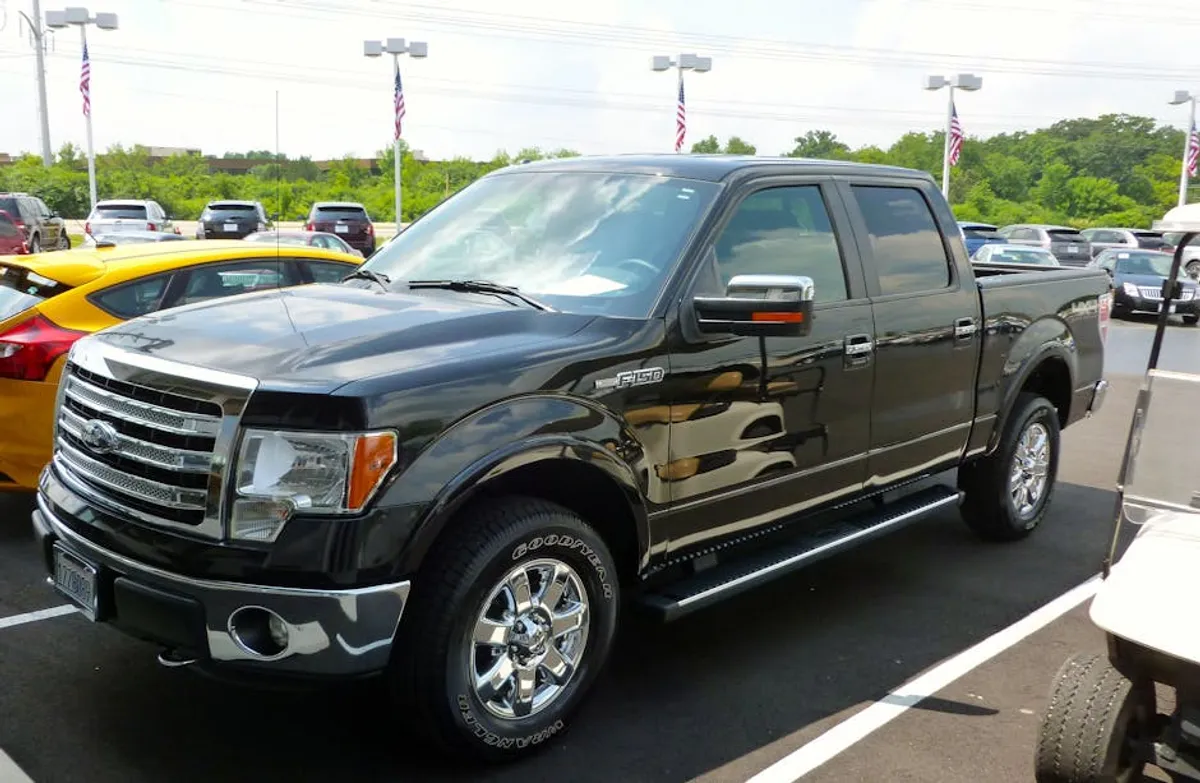
The Ford F-150 is engineered as a full-size pickup truck, designed primarily for utility and capability. Its development prioritizes towing, payload capacity, and the ability to navigate diverse terrains, often including off-road conditions. For many, it functions as a critical tool for work, transporting equipment, or hauling recreational items like boats and trailers. Its spacious cabin configurations, ranging from Regular Cab to SuperCrew, accommodate multiple passengers comfortably, making it a viable family vehicle for those who require its inherent utility. The F-150's intent is to provide a robust, adaptable platform for demanding tasks and practical daily use.
Porsche 911: The Performance Icon
In stark contrast, the Porsche 911 is conceived as a high-performance sports car. Its design and engineering are singularly focused on delivering an exceptional driving experience, characterized by precise handling, rapid acceleration, and engaging feedback. Every component, from its rear-engine layout to its sophisticated suspension systems, is optimized for dynamic performance on both public roads and track environments. The 911's intent is to offer a visceral connection between driver and machine, prioritizing agility, speed, and the emotional satisfaction of a finely tuned sports car over conventional utility or passenger capacity.
Performance and Driving Dynamics
F-150: Power for Purpose
The F-150 offers a diverse range of powertrains, each optimized for specific performance demands. Engine options typically include various EcoBoost V6s, a traditional V8, and hybrid configurations, providing a spectrum of horsepower and torque outputs. These engines are geared towards generating substantial low-end torque, essential for towing heavy loads, with capacities often exceeding 10,000 pounds. Acceleration is practical for a vehicle of its size, designed for merging onto highways or hauling, rather than outright speed. Off-road variants like the Raptor or Tremor feature specialized suspensions, larger tires, and advanced four-wheel-drive systems to tackle challenging terrain, emphasizing durability and capability over road-holding precision.
911: Precision and Adrenaline
The Porsche 911's performance is defined by its exhilarating speed and unparalleled handling. Its flat-six engines, often turbocharged, deliver instant throttle response and high-revving power, propelling the car from 0-60 mph in under four seconds for most models, with top-tier variants achieving even quicker times. The steering is direct and communicative, providing the driver with precise control and feedback. Its sophisticated suspension, often with adaptive damping, maintains exceptional body control through corners, allowing for high-speed maneuvers with confidence. The 911's performance metrics are measured in lap times, g-forces, and the sheer joy of a perfectly executed turn, a stark departure from the F-150's utility-focused power delivery.
Practicality, Utility, and Daily Livability
F-150: Versatility Unmatched
The F-150 excels in practical utility. Its open bed provides substantial cargo capacity for everything from construction materials to camping gear. Available bed lengths (5.5 ft, 6.5 ft, 8 ft) and innovative features like onboard generators and tailgate work surfaces enhance its functionality. Inside, SuperCrew models offer ample legroom for rear passengers, rivaling many sedans, and numerous storage compartments throughout the cabin. As a daily driver, its higher seating position provides excellent visibility, and modern infotainment systems offer connectivity and convenience. Fuel economy varies significantly by engine and driving style, but it's generally commensurate with a large, capable truck.
911: Focused Functionality
The 911's practicality is highly specialized. Cargo space is limited to a small front trunk (frunk) and a rear shelf behind the front seats, which can accommodate a few soft bags or a small carry-on. While technically a "2+2" configuration, the rear seats are typically suitable only for small children or additional storage, not adult passengers. Daily drivability is surprisingly good for a sports car, with comfortable seats and a relatively compliant ride, especially with adaptive suspension options. However, its low ground clearance, wide stance, and focused performance mean it's not designed for hauling, off-road excursions, or navigating tight urban parking with ease. Fuel economy, while not a primary concern for buyers, is generally better than a large truck due to its lighter weight and aerodynamic design.
Ownership Costs and Value Proposition
Initial Investment and Long-Term Expenses
The initial purchase price for a Ford F-150 can range widely, from entry-level work trucks in the low $30,000s to fully loaded luxury trims or high-performance Raptors approaching $100,000. Maintenance costs are generally manageable, with readily available parts and widespread service networks. However, fuel consumption, especially with larger V8 or older EcoBoost engines, can contribute significantly to running costs. Insurance premiums are typically moderate, though specific trims and driver history can influence rates.
A Porsche 911 commands a significantly higher entry price, often starting in the low $100,000s and escalating rapidly into the $200,000s or more for specialized variants. Maintenance and repair costs are substantially higher due to specialized parts, labor rates, and the complexity of its engineering. Premium fuel is a requirement. Insurance premiums are also considerably higher, reflecting the vehicle's value, performance capabilities, and higher risk profile. While depreciation can be steep for some luxury vehicles, certain 911 models, particularly limited editions or highly sought-after trims, can hold their value exceptionally well or even appreciate over time.
Pro Tip: When evaluating ownership costs, consider not just the sticker price, but also projected fuel expenses, insurance premiums, and scheduled maintenance for the first five years. These ancillary costs can significantly alter the true financial impact of either vehicle.
Lifestyle Alignment and Emotional Appeal
The choice between these two vehicles often boils down to how they integrate with your lifestyle and what emotional connection you seek from your vehicle. Consider the following:
- Daily Commute: Is it short city driving, long highway stretches, or a mix?
- Family Needs: Do you regularly transport multiple passengers or require car seat compatibility?
- Hobbies & Activities: Do you tow boats, trailers, or frequently carry large outdoor gear?
- Work Requirements: Is your vehicle a tool for your profession, needing payload or towing capacity?
- Driving Enjoyment: Do you prioritize the thrill of acceleration and precise handling, or a commanding view and robust capability?
- Image & Prestige: What statement do you want your vehicle to make about your priorities?
- Environmental Factors: Do you frequently encounter rough roads, snow, or off-road conditions?
Making the Right Choice for Your Needs
Ultimately, the "better" vehicle is the one that best aligns with your specific needs and priorities. If your lifestyle demands utility, the ability to haul and tow, robust construction for challenging environments, and ample passenger space, the Ford F-150 is the clear choice. It serves as a versatile workhorse, a dependable family vehicle, and a capable companion for outdoor adventures. Its value proposition lies in its broad utility and adaptability.
Conversely, if your primary desire is an unparalleled driving experience, precision engineering, exhilarating performance, and the prestige of an iconic sports car, the Porsche 911 stands alone. It represents a significant investment in driving pleasure and automotive artistry. Its value is derived from its dynamic capabilities, emotional appeal, and often, its strong resale value for specific configurations. This is not a practical purchase in the traditional sense, but an acquisition driven by passion and a desire for automotive excellence.
Frequently Asked Questions
Can a Ford F-150 be a daily driver?
Yes, many F-150 owners use their trucks as daily drivers. Modern F-150s offer comfortable interiors, advanced technology, and a smooth ride, making them suitable for commuting and everyday tasks, especially in SuperCrew configurations.
Is the Porsche 911 comfortable for long trips?
The Porsche 911 is surprisingly comfortable for a sports car, even on long trips. Its seats are supportive, and adaptive suspension options can provide a compliant ride. However, limited cargo space and the low-slung driving position are factors to consider for extended journeys.
What is the primary difference in maintenance costs between the two?
Maintenance costs for a Ford F-150 are generally lower due to widely available parts, a larger network of service centers, and less specialized components. Porsche 911 maintenance is significantly higher, requiring specialized parts, premium fluids, and often higher labor rates at authorized service centers.
Which vehicle holds its value better?
While both can hold value, the depreciation curves differ. High-volume F-150s generally depreciate at a standard rate for trucks, though certain trims like the Raptor can fare better. Specific Porsche 911 models, especially limited editions, GT variants, or those with desirable options, can hold their value exceptionally well, sometimes even appreciating over time, making them a strong investment for enthusiasts.