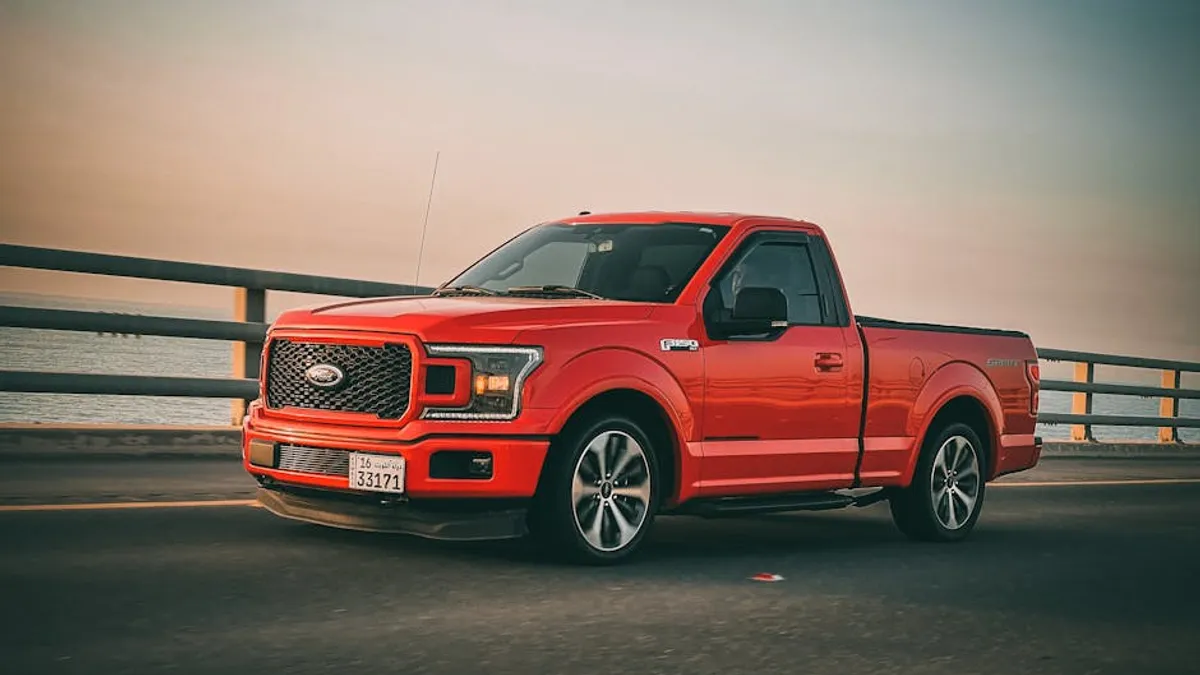
Purchasing a Ford F-150 represents a significant investment, but the initial sticker price is only one component of total ownership cost. Insurance premiums, often overlooked in the excitement of a new vehicle, can substantially impact long-term budget planning. For F-150 drivers, understanding the specific variables that influence these costs is crucial for making informed decisions and securing competitive rates. This guide outlines the key factors insurers evaluate and offers actionable strategies to manage your F-150's insurance expenses effectively. If you're considering buying a Ford F-150, understanding insurance costs is a key part of the overall ownership picture.
Core Factors Influencing F-150 Insurance Premiums
Insurance providers assess a range of data points to calculate premiums, balancing risk against potential payouts. For the Ford F-150, these factors are critical in determining your annual or semi-annual cost.
Vehicle Specifications: Trim, Model Year, and Features
The specific configuration of your F-150 plays a direct role in its insurance cost. Newer models, particularly those with advanced technology packages or higher trim levels (e.g., Platinum, Limited, Raptor), typically command higher premiums. This is due to several reasons:
- Replacement Value: A higher MSRP means a higher payout for total loss.
- Repair Costs: Advanced features like adaptive cruise control sensors, LED lighting, or complex infotainment systems are expensive to replace or repair after an accident. Aluminum body panels, prevalent in modern F-150s, require specialized repair techniques, increasing labor costs.
- Performance: High-performance variants, such as the F-150 Raptor, are often associated with higher risk due to their capabilities, leading to elevated rates.
Conversely, older models or base trims with fewer complex features generally incur lower premiums, assuming they are well-maintained and have standard safety equipment.
Driver Profile: Age, Location, and Driving Record
Your personal details and driving history are paramount to insurers' risk assessments:
- Age and Experience: Younger, less experienced drivers (under 25) typically face higher rates due to statistical evidence of increased accident frequency. Rates tend to decrease with age and driving experience, stabilizing for mature drivers.
- Geographic Location: Urban areas with higher traffic density, crime rates, and incidence of vandalism or theft often result in higher premiums compared to rural or suburban locales. Even specific zip codes within a city can show significant variations.
- Driving Record: A clean driving record—devoid of accidents, speeding tickets, or other moving violations—is the single most effective way to keep insurance costs down. Incidents on your record signal higher risk to insurers and can lead to substantial premium increases for several years.
- Credit Score: In many states, insurers use credit-based insurance scores as a predictor of risk. A higher score often correlates with lower premiums.
Coverage Choices and Deductibles
The types and limits of coverage you select directly impact your premium. Standard coverage options include:
- Liability: Required by law in most states, this covers damages and injuries you cause to others. Higher liability limits offer greater protection but increase premiums.
- Collision: Covers damage to your F-150 from an accident, regardless of fault. Essential for newer or financed vehicles.
- Comprehensive: Covers non-collision damage, such as theft, vandalism, fire, or natural disasters.
- Uninsured/Underinsured Motorist: Protects you if the at-fault driver has insufficient or no insurance.
- Medical Payments/Personal Injury Protection (PIP): Covers medical expenses for you and your passengers.
Deductible: The amount you pay out-of-pocket before your insurance coverage kicks in. Opting for a higher deductible on collision and comprehensive coverage can significantly lower your premium, but requires you to pay more in the event of a claim.
F-150 Specific Considerations for Insurers
Beyond general factors, the F-150's characteristics as a popular truck influence its insurance profile.
Repair Costs and Parts Availability
The F-150's widespread popularity means parts are generally available, which can sometimes mitigate repair delays. However, the shift to aluminum bodies in recent generations means specialized equipment and training are often required for body shops, which can increase repair costs compared to traditional steel. This, in turn, can be reflected in higher collision and comprehensive premiums.
Theft Rates and Security Features
As one of the best-selling vehicles in North America, the F-150 can be a target for theft, particularly for its parts. Insurers factor in theft rates for specific models and regions. Vehicles equipped with advanced anti-theft systems (e.g., engine immobilizers, GPS tracking, alarm systems) may qualify for discounts, as these features reduce the risk of theft and recovery costs.
Usage Patterns: Personal vs. Commercial
How you use your F-150 significantly impacts its insurance classification. Personal use for commuting or leisure typically results in lower premiums. However, if the truck is used for commercial purposes—such as hauling equipment, making deliveries, or as part of a business fleet—it will require commercial auto insurance, which is generally more expensive due to increased liability and mileage exposures.
Pro Tip: Before purchasing an F-150, especially a high-trim or specialized model like the Raptor, obtain insurance quotes using its exact VIN or full specifications. This provides a precise estimate, avoiding surprises after the purchase. Different insurers may rate specific F-150 features or trims differently, making pre-purchase comparison essential.
Strategies to Manage and Reduce F-150 Insurance Expenses
While some factors are beyond your control, several strategies can help lower your F-150 insurance costs.
Comparing Quotes from Multiple Providers
This is arguably the most impactful step. Insurance rates vary significantly between companies for the exact same coverage. Obtain quotes from at least three to five different insurers. Online comparison tools can streamline this process, but direct contact with agents may uncover additional discounts or specialized policies.
Leveraging Discounts and Bundling
Insurers offer numerous discounts. Inquire about:
- Multi-Policy Discounts: Bundling auto insurance with home, renters, or life insurance.
- Good Driver Discounts: For drivers with a clean record over a specified period.
- Safe Driver Programs: Telematics programs that monitor driving habits (e.g., mileage, braking, acceleration).
- Anti-Theft Device Discounts: For factory or aftermarket security systems.
- Student Discounts: For good students or those away at college without a vehicle.
- Low Mileage Discounts: If you drive your F-150 less than the average.
Maintaining a Clean Driving Record
Avoid traffic violations and at-fault accidents. Each incident can increase your premiums for years. Defensive driving courses can sometimes remove points from your record or qualify you for a discount.
Adjusting Coverage Wisely
Review your policy annually. As your F-150 ages and depreciates, you might consider increasing your deductibles or dropping collision and comprehensive coverage if the vehicle's market value no longer justifies the premium cost. Ensure you maintain adequate liability coverage to protect your assets.
Securing Your F-150's Coverage
Understanding the interplay of vehicle specifics, personal driving history, and coverage choices empowers F-150 owners to navigate the insurance market effectively. Proactive research, consistent comparison shopping, and diligent maintenance of a clean driving record are the most reliable methods for securing favorable insurance rates over the lifetime of your truck. Regular policy reviews ensure your coverage remains appropriate for your vehicle's value and your personal circumstances.
Frequently Asked Questions
Q: Does the F-150's aluminum body affect insurance costs?
A: Yes, the aluminum body panels, introduced in recent F-150 generations, can lead to higher repair costs due to specialized equipment and training required for body shops, which may be reflected in higher collision and comprehensive premiums.
Q: Can adding aftermarket modifications to my F-150 impact insurance?
A: Yes, significant aftermarket modifications, especially those that increase performance or value (e.g., lift kits, custom wheels, engine tuning), should be reported to your insurer. They may increase your premium or require specialized coverage to ensure they are protected in a claim.
Q: Is commercial insurance always required if I use my F-150 for work?
A: It depends on the nature and extent of the work use. If your F-150 is integral to a business (e.g., hauling tools, making deliveries, client transport), commercial insurance is generally required. Personal policies typically exclude business use, and failure to disclose commercial operation could lead to denied claims.
Q: How often should I shop for new F-150 insurance quotes?
A: It is advisable to compare quotes at least once a year, or whenever you experience a significant life event such as moving, getting married, or adding a new driver. Rates change frequently, and new discounts may become available.