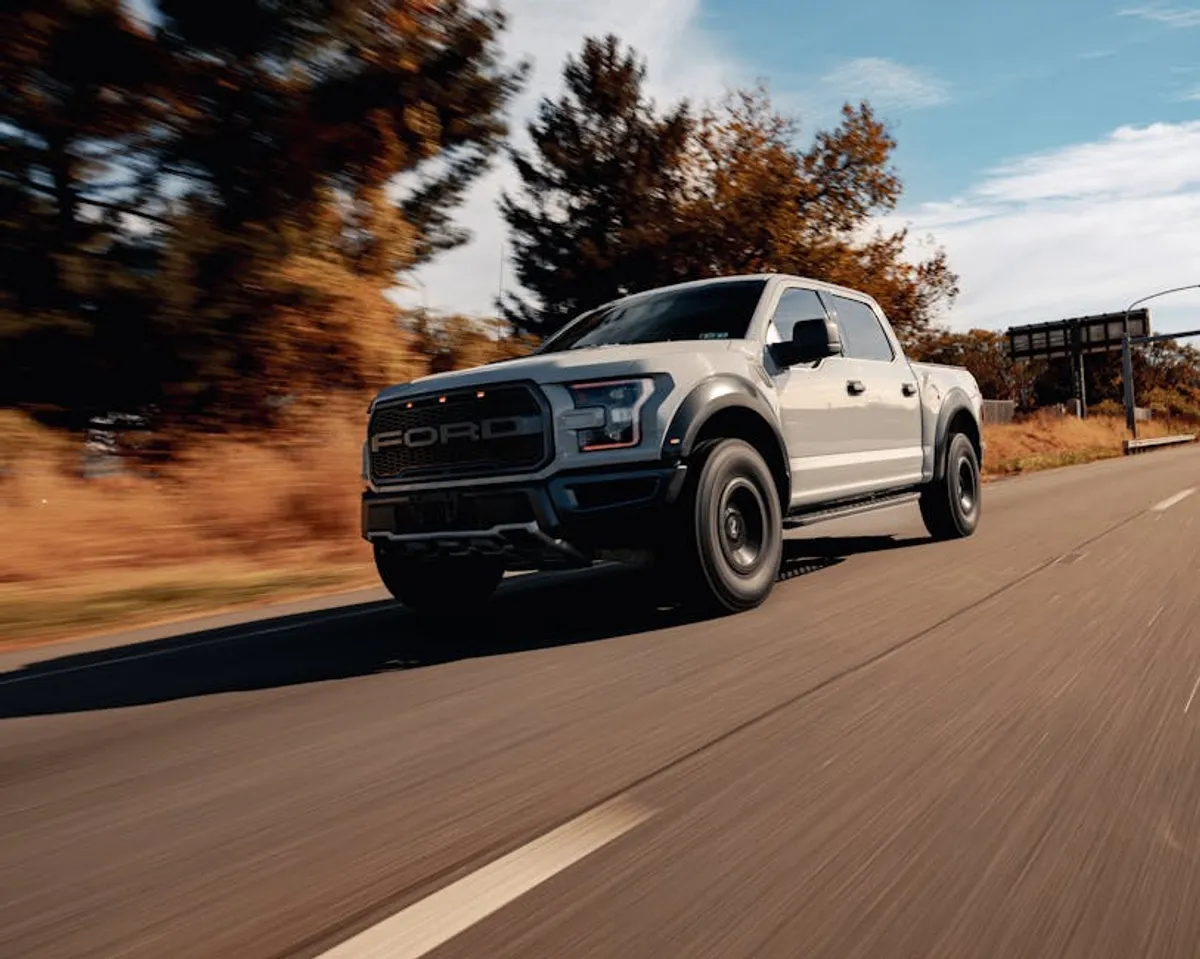
The Ford F-150 consistently ranks as one of North America's best-selling vehicles, a testament to its versatility, capability, and broad appeal. However, this popularity also means a vast array of configurations, engine options, trim levels, and technologies, making the buying process complex. This guide outlines the critical factors to consider, ensuring your F-150 purchase aligns precisely with your operational requirements and budget. This guide aims to demystify the various trim levels and technologies available, ensuring your F-150 purchase aligns precisely with your operational requirements and budget.
Establishing Your F-150 Use Case
Before evaluating specific features, define the primary role your F-150 will play. This foundational step dictates subsequent choices regarding engine, cab style, bed length, and drivetrain. A truck primarily used for daily commuting and occasional light hauling will have different requirements than one dedicated to heavy towing, off-road expeditions, or commercial work.
- Daily Driver/Light Duty: Prioritize fuel efficiency, ride comfort, and advanced driver-assistance features. A 2.7L EcoBoost V6 or the 3.5L PowerBoost Hybrid, paired with a SuperCrew cab and a 5.5-foot bed, often provides an optimal balance.
- Heavy Towing/Hauling: Focus on maximum towing capacity and payload. The 3.5L EcoBoost V6 or 5.0L V8 are prime candidates. Consider the Max Trailer Tow Package and a longer bed for stability and cargo space.
- Off-Road/Recreation: Emphasize 4x4 capability, ground clearance, and specialized suspensions. Trims like the Tremor or Raptor are engineered for this, featuring robust shocks, locking differentials, and terrain management systems.
- Work Truck: Durability, utility, and cost-effectiveness are key. The XL or XLT trims with a Regular Cab or SuperCab and an 8-foot bed often provide the most practical solution for job sites.
Understanding Engine Options and Performance Metrics
The F-150 offers a diverse engine lineup, each optimized for different performance characteristics and fuel economy. Your choice here directly impacts towing, payload, and operational costs.
2.7L EcoBoost V6
This twin-turbocharged V6 offers a balance of power and efficiency. It delivers ample torque for most daily tasks and respectable towing capacities for mid-sized trailers.
Best for: Daily driving, light-to-moderate towing (up to 10,100 lbs), general utility where fuel economy is a consideration.
3.5L EcoBoost V6
The 3.5L EcoBoost is a powerhouse, providing the highest conventional towing capacity in the F-150 lineup. Its twin-turbo design ensures strong acceleration and sustained power delivery, even under heavy loads.
Best for: Max towing (up to 14,000 lbs), heavy hauling, demanding commercial applications, and buyers prioritizing robust performance.
5.0L V8
The traditional V8 option delivers a linear power band and a distinctive exhaust note. While slightly less torque-dense than the EcoBoost V6s at lower RPMs, it offers proven reliability and strong performance, particularly when paired with the Max Trailer Tow Package.
Best for: Those who prefer a naturally aspirated engine, heavy towing, and a more traditional truck driving experience.
3.5L PowerBoost Full Hybrid V6
Combining the 3.5L EcoBoost with an electric motor, the PowerBoost offers excellent fuel economy, substantial power, and the unique Pro Power Onboard system. This integrated generator provides household-level power outlets for tools or tailgating.
Best for: Fuel efficiency, mobile power generation, moderate-to-heavy towing, and buyers seeking advanced technology.
Ford F-150 Lightning (Electric)
The all-electric F-150 Lightning offers instant torque, zero tailpipe emissions, and a distinct driving experience. Range considerations and charging infrastructure are primary factors for potential buyers. It also features a larger Mega Power Frunk for secure storage.
Best for: Environmental consciousness, quiet operation, instant power delivery, and access to charging infrastructure.
Cab Configurations and Bed Lengths
The F-150's various cab and bed options dictate passenger capacity, interior comfort, and cargo utility.
Cab Styles
- Regular Cab: A single row of seating, two doors. Optimized for maximum bed length and maneuverability in tight spaces, typically for work-focused applications.
- SuperCab (Extended Cab): Offers small rear jump seats and rear-hinged half-doors. Suitable for occasional rear passengers or secure interior storage.
- SuperCrew (Crew Cab): Features four full-size doors and a spacious rear seating area, comparable to a large sedan. Ideal for families or regular transport of multiple adults.
Bed Lengths
- 5.5-foot bed: Most common with SuperCrew cabs, balancing cargo capacity with improved maneuverability for daily driving.
- 6.5-foot bed: Available with all cab styles, offering a good compromise between cargo capacity and overall vehicle length.
- 8-foot bed: Primarily found on Regular and SuperCab configurations, maximizing cargo volume and utility for commercial or heavy-duty hauling.
Pro Tip: When evaluating a used F-150, pay close attention to the condition of the frame, particularly around suspension mounting points and common rust areas like the wheel wells and rocker panels. A thorough pre-purchase inspection by an independent mechanic specializing in trucks can identify potential issues that are costly to repair, such as transmission fluid leaks, exhaust manifold cracks, or worn ball joints, which are common wear points on high-mileage trucks.
Key Features and Trim Levels
F-150 trim levels range from utilitarian workhorses to luxurious cruisers, each offering a distinct package of features and materials.
Base Trims (XL, XLT)
These trims provide essential truck functionality. The XL is a no-frills work truck, while the XLT adds more comfort features, chrome accents, and technology like SYNC 4 infotainment with an 8-inch touchscreen.
Consider for: Budget-conscious buyers, fleet purchases, or those who prefer to customize their truck with aftermarket accessories.
Mid-Range Trims (Lariat)
The Lariat introduces a significant upgrade in interior materials, technology, and convenience features, including leather upholstery, larger infotainment screens, and advanced driver-assistance systems.
Consider for: Buyers seeking a comfortable, well-equipped daily driver with a premium feel without reaching top-tier luxury pricing.
Luxury Trims (King Ranch, Platinum, Limited)
These trims represent the pinnacle of F-150 luxury, offering unique interior aesthetics (e.g., King Ranch's Western theme), premium leather, advanced safety tech, panoramic moonroofs, and sophisticated infotainment systems.
Consider for: Buyers prioritizing comfort, advanced technology, and a luxurious driving experience.
Off-Road/Performance Trims (Tremor, Raptor)
The Tremor is a more balanced off-road package, offering enhanced suspension and capability without the extreme width of the Raptor. The Raptor is purpose-built for high-speed desert running, featuring long-travel suspension, wider stance, and powerful engine options.
Consider for: Enthusiasts requiring specialized off-road performance, with the Raptor being the most extreme option.
Making Your Final Decision
The optimal Ford F-150 configuration is a direct reflection of your specific needs, budget, and priorities. Begin by clearly defining the truck’s primary purpose, then systematically evaluate engine options for performance and efficiency. Match cab and bed configurations to your passenger and cargo requirements. Finally, select a trim level that provides the desired balance of features, comfort, and technology within your financial parameters. A test drive under conditions similar to your intended use (e.g., towing a trailer if that's a primary function) is invaluable for confirming your choice.
Frequently Asked Questions
What is the best engine for towing in an F-150?
The 3.5L EcoBoost V6 generally offers the highest conventional towing capacity, reaching up to 14,000 pounds when properly equipped, making it the top choice for heavy towing applications.
Which F-150 cab style is best for families?
The SuperCrew cab is ideal for families due to its four full-size doors and spacious rear seating, providing ample legroom and comfortable access for rear passengers.
Are used F-150s reliable?
Ford F-150s generally have a strong reputation for reliability. However, reliability varies by model year, engine choice, and maintenance history. A pre-purchase inspection is always recommended for used vehicles to assess specific condition and potential issues.
What is Pro Power Onboard?
Pro Power Onboard is an integrated generator system available on select F-150 models, particularly the PowerBoost Hybrid and Lightning. It provides 120V and 240V outlets, allowing the truck to power tools, appliances, or even a home during outages, with varying power outputs up to 9.6 kW.