The choice between a Ford Bronco and a Ram 1500 is not merely a preference for one brand over another; it represents a fundamental divergence in vehicle utility and lifestyle. These two vehicles, while both popular and capable in their respective domains, are engineered for distinct purposes. The Bronco embodies adventure and off-road exploration, appealing to buyers prioritizing trail capability, open-air driving, and a rugged aesthetic. In contrast, the Ram 1500 is a full-size pickup truck designed for heavy-duty work, substantial towing and hauling, and often, a luxurious, spacious cabin for daily driving and family transport. Your purchase decision hinges on whether your primary need is conquering challenging terrain or handling significant payloads and passengers with comfort.
Understanding the Core Distinction
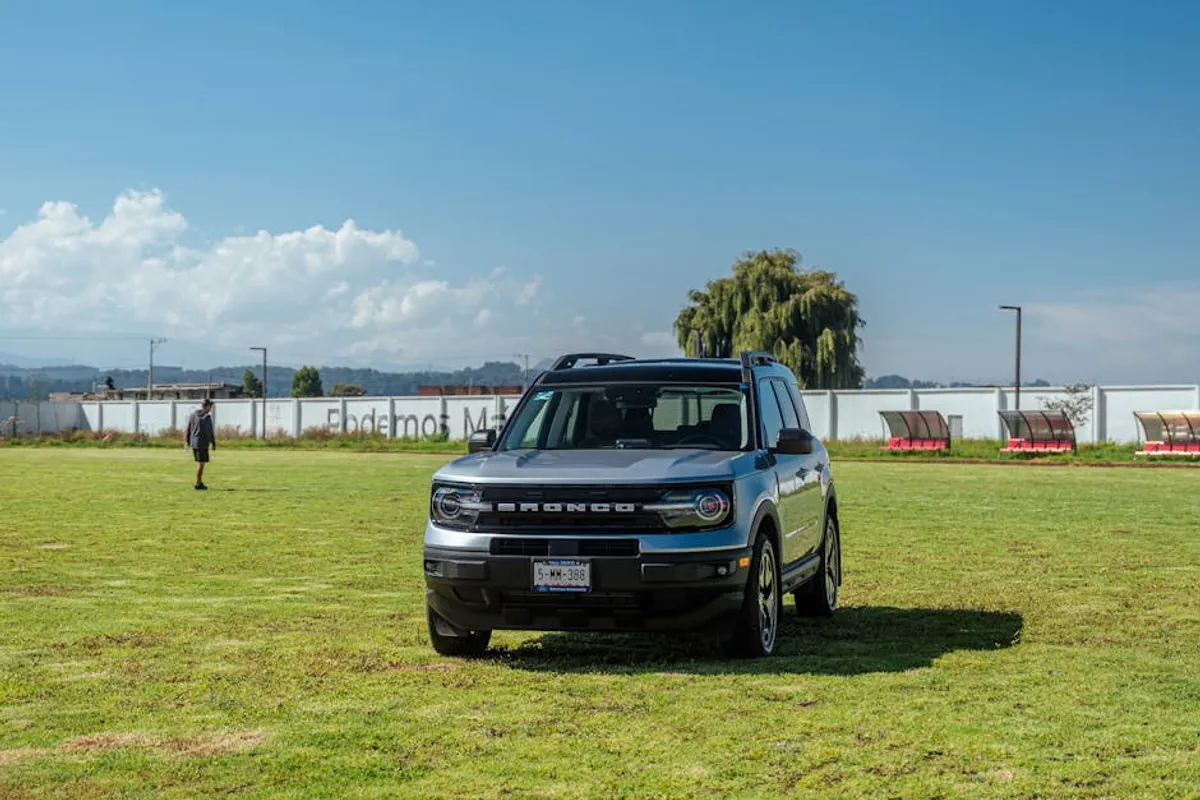
At its heart, the Ford Bronco is an SUV built for escapism and challenging environments. It revives a heritage of dedicated off-road capability, offering features specifically designed for rock crawling, mudding, and trail driving. The Ram 1500, conversely, is a workhorse first, a comfortable commuter second, and an off-roader only in specific trims. It excels where the Bronco is limited: moving heavy loads, towing large trailers, and providing ample bed space for equipment or cargo. Evaluating which vehicle suits your needs begins with acknowledging this foundational difference in design and intent.
Purpose-Built Design Philosophies
The Bronco’s design prioritizes ground clearance, approach/departure angles, and articulation. Its body-on-frame construction is robust, and features like removable doors and roof panels speak directly to an open-air adventure experience. The Ram 1500, while also body-on-frame, emphasizes structural rigidity for payload and towing, a longer wheelbase for stability, and often, a more aerodynamic profile for highway efficiency. Its design focuses on maximizing interior space, bed utility, and overall on-road refinement.
Performance and Drivetrain Dynamics
Performance metrics for these vehicles are tailored to their intended uses. The Bronco's powertrain options are geared towards delivering torque for low-speed maneuvers and responsiveness on varied terrain. The Ram 1500, on the other hand, provides a range of powerful engines designed to handle significant weight and maintain highway speeds under load.
Bronco's Off-Road Prowess
The Ford Bronco typically offers turbocharged gasoline engines, such as a 2.3-liter EcoBoost four-cylinder or a 2.7-liter EcoBoost V6, delivering ample torque at lower RPMs. Its advanced 4x4 systems, including available electronic locking differentials, sway-bar disconnect, and terrain management systems (G.O.A.T. Modes), are engineered to optimize traction and stability across diverse surfaces. Specific features like beadlock-capable wheels and robust underbody protection underscore its commitment to serious off-roading. The focus is on maneuverability, articulation, and navigating obstacles.
Ram 1500's Power and Towing Capacity
The Ram 1500 provides a broader engine lineup, including a standard 3.6-liter V6 with eTorque mild-hybrid technology, a potent 5.7-liter HEMI V8 (also available with eTorque), and a 3.0-liter EcoDiesel V6. These engines are calibrated for strong acceleration, effortless cruising, and, critically, superior towing and hauling capabilities. Depending on configuration, the Ram 1500 can tow over 12,000 pounds and carry payloads exceeding 2,000 pounds. Its available air suspension system also contributes to a smoother ride and adjustable load leveling, beneficial for heavy tasks.
Interior Experience and Daily Usability
The cabins of the Bronco and Ram 1500 reflect their contrasting design philosophies. One prioritizes ruggedness and ease of cleaning, while the other emphasizes luxury, technology, and passenger comfort.
Bronco's Rugged, Modular Cabin
The Bronco’s interior is designed for durability and adventure. Features often include marine-grade vinyl seating, rubberized washout floors with drain plugs, and easily accessible auxiliary switches for aftermarket accessories. The dashboard is straightforward, with a focus on functional controls and integrated grab handles. While modern infotainment systems are present, the overall aesthetic is utilitarian and ready for exposure to the elements. The modular design, allowing for roof and door removal, significantly impacts the user experience, providing an open-air feel unmatched by most other vehicles.
Ram 1500's Refined, Spacious Interior
The Ram 1500 consistently receives accolades for its interior quality, particularly in higher trim levels. It offers a spacious cabin with premium materials, often including genuine leather, wood, and metal accents. Advanced technology is a hallmark, with available large vertical touchscreens, comprehensive driver-assistance features, and ample storage solutions like the RamBox Cargo Management System and extensive in-floor storage. The ride quality is typically smooth and quiet, making it an excellent choice for long commutes or family road trips. Passenger comfort, noise isolation, and available luxury amenities are key differentiators.
Practicality Beyond the Pavement
Beyond their core performance, the practical aspects of owning either vehicle diverge significantly, impacting daily life and recreational pursuits.
Cargo and Storage Solutions
The Bronco offers flexible cargo space behind the rear seats, expandable by folding them down. Its square shape facilitates loading bulkier items, though total volume is less than a pickup bed. Storage for removed roof panels and doors is often an aftermarket consideration or requires dedicated space. The Ram 1500, with its open bed, provides unparalleled flexibility for hauling dirty gear, construction materials, ATVs, or large furniture. Optional bed liners, tonneau covers, and the RamBox system enhance its utility, offering secure, weatherproof storage solutions not found in an SUV.
Trail Capability vs. Hauling Prowess
The Bronco's shorter wheelbase and higher ground clearance make it adept at navigating tight trails and overcoming obstacles where a full-size truck would struggle. Its approach and departure angles are optimized for steep ascents and descents. The Ram 1500, conversely, is built to handle significant loads. Its robust frame, powerful engines, and available integrated trailer brake controller make it the superior choice for towing boats, campers, or heavy equipment. While some Ram 1500 trims offer respectable off-road capability, they cannot match the Bronco's specialized design for extreme trail conditions.
Cost of Ownership and Value Proposition
Initial purchase prices for both vehicles span a wide range, heavily dependent on trim levels, engine choices, and optional packages. Generally, a base Bronco might start lower than a base Ram 1500, but highly equipped versions of both can reach similar price points. Fuel efficiency varies greatly by engine and driving conditions, with the Ram's EcoDiesel offering a distinct advantage in some scenarios. Insurance costs, maintenance, and potential depreciation should also be factored in, as their distinct market positions and use cases can influence these long-term expenses.
Making Your Decision: Key Considerations
Choosing between the Ford Bronco and Ram 1500 distills down to your primary activities and needs. There is little overlap in their core competencies, making the decision clearer once priorities are established.
- Primary Use: Do you spend weekends on challenging trails or transporting materials and towing?
- Cargo Needs: Is open bed utility essential, or is enclosed, flexible SUV cargo space sufficient?
- Passenger Comfort: Is a plush, quiet cabin for daily commutes and road trips a high priority, or is a rugged, adventure-ready interior acceptable?
- Towing Requirements: Do you need to tow heavy loads (over 3,500 lbs), or is light towing capacity adequate?
- Off-Road Intensity: Are you tackling serious off-road trails that demand specialized equipment, or just navigating unpaved roads and light duty tracks?
Pro Tip: Before committing, test drive both vehicles in conditions that mimic your most frequent use cases. Drive the Bronco on a challenging dirt path if possible, and test the Ram 1500 with a simulated load or on a longer highway stretch. This direct experience will highlight the practical differences more effectively than specifications alone.
Frequently Asked Questions
Is the Ford Bronco a good daily driver?
The Ford Bronco can serve as a daily driver, especially the four-door models. However, its rugged suspension and off-road tires can result in a firmer ride and increased road noise compared to more road-focused SUVs or the Ram 1500. Its dimensions are also more compact than a full-size truck, making it easier to maneuver in urban settings.
Can the Ram 1500 go off-road?
Yes, the Ram 1500 offers capable off-road trims like the Rebel and TRX, which include features such as lifted suspensions, all-terrain tires, and locking differentials. While these trims can handle moderate off-road conditions, the Ram 1500's larger size and longer wheelbase limit its maneuverability on tight, technical trails compared to the Bronco.
Which vehicle is better for families?
For most families prioritizing passenger comfort, interior space, and a smooth ride for daily commutes and road trips, the Ram 1500 is generally the better choice. Its spacious rear seats, numerous storage options, and luxury amenities often make it more accommodating for long journeys. The Bronco, while offering four-door options, has a more utilitarian interior and a ride quality geared towards off-road performance.
What is the primary advantage of the Bronco over the Ram 1500?
The primary advantage of the Ford Bronco is its specialized design for extreme off-road capability and its unique open-air driving experience. It offers a level of trail-conquering prowess and modularity (removable doors/roof) that the Ram 1500, even in its most off-road-oriented trims, cannot match.