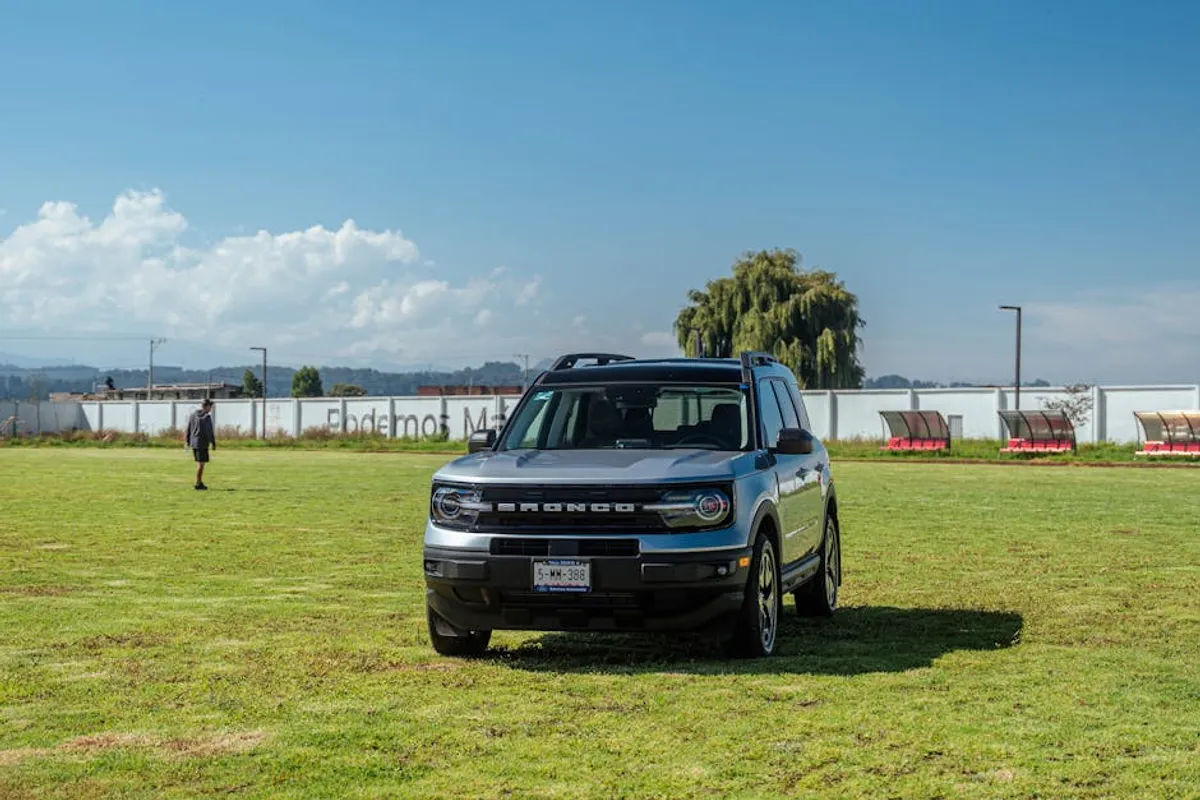
New Ford Bronco owners acquire a vehicle engineered for both daily utility and demanding off-road excursions. Protecting this investment, and ensuring it performs reliably across diverse terrains, hinges directly on consistent and informed maintenance practices. Unlike standard passenger vehicles, the Bronco’s design incorporates specialized components and systems that require specific attention to preserve its capability, safety, and long-term resale value. Establishing a proactive maintenance routine from day one extends the vehicle's lifespan and prevents costly repairs down the line, directly impacting the overall ownership experience.
Engine and Powertrain Longevity
The Bronco’s engine and powertrain are its core, demanding regular attention to maintain peak performance and efficiency. Adhering to manufacturer-recommended service intervals for oil changes is paramount, typically every 7,500 to 10,000 miles, or every six months, whichever comes first. Using the correct synthetic oil grade, as specified in the owner’s manual, is critical for lubricating modern engine components and managing extreme temperatures. Simultaneously, replacing the oil filter ensures contaminants are removed, preventing premature wear.
Air filter inspection and replacement are also essential, particularly for Broncos frequently driven on dusty trails. A clogged air filter restricts airflow, reducing engine power and fuel efficiency. Fuel filters, while often less frequently replaced, should be checked according to the service schedule to ensure clean fuel delivery to the engine. Beyond fluids and filters, regularly inspect serpentine belts for cracks or fraying and hoses for leaks or swelling. These components are vital for cooling, charging, and accessory operation; a failure can quickly lead to overheating or loss of power.
Chassis and Suspension Integrity
The Bronco’s robust chassis and advanced suspension system are designed to absorb impacts and articulate over uneven terrain. Regular inspection of these components is crucial, especially after off-road use. Check all suspension bushings for signs of wear, cracking, or deterioration, as worn bushings can lead to poor handling and increased noise. Inspect shock absorbers for leaks or damage, which can compromise ride quality and control. Lubricate ball joints, tie rod ends, and other steering components as recommended by the manufacturer to prevent premature wear and maintain precise steering.
Wheel alignment should be checked annually or after any significant suspension work or impact. Proper alignment ensures even tire wear, improves handling, and reduces strain on suspension components. Tire rotation, typically every 5,000 to 7,500 miles, helps distribute wear evenly across all four tires, extending their lifespan and maintaining balanced traction.
Brakes, Tires, and Safety Systems
Brake system maintenance is non-negotiable for safety. Regularly inspect brake pads for wear and rotors for scoring or warping. Brake fluid levels should be checked, and the fluid itself should be replaced every two to three years, as it can absorb moisture and lose effectiveness. A firm pedal feel and responsive braking are indicators of a healthy system.
Tires are the Bronco’s only contact with the ground, making their condition critical for traction, safety, and performance. Check tire pressure weekly, including the spare, adjusting to manufacturer specifications for both on-road and off-road driving. Inspect tread depth using a tread depth gauge; most states require a minimum of 2/32 inch, but for off-road capability, more depth is advisable. Look for uneven wear patterns, which can indicate alignment issues or improper inflation. Also, check for cuts, bulges, or punctures that could compromise tire integrity.
Pro Tip: For Broncos regularly engaged in off-road activities, consider adhering to the "severe duty" maintenance schedule outlined in your owner's manual. This often means more frequent oil changes, fluid checks, and component inspections, directly addressing the increased stress placed on the vehicle's systems by challenging terrains and heavy loads. Neglecting this can accelerate wear and lead to unexpected failures.
Fluid Checks and Replacements
Beyond engine oil and brake fluid, several other fluids are vital for the Bronco's operation:
- Coolant: Check the reservoir level regularly and ensure the coolant is replaced at the recommended intervals (typically every five years or 100,000 miles). This prevents engine overheating and protects against corrosion.
- Differential Fluids: Front and rear differential fluids lubricate critical gears. These should be inspected and changed according to the severe duty schedule, especially after water crossings or heavy towing, to prevent gear wear.
- Transfer Case Fluid: The transfer case is crucial for engaging four-wheel drive. Its fluid should be checked and replaced per the manufacturer's guidelines, particularly if frequently using 4WD.
- Transmission Fluid: While many modern transmissions are "sealed for life," checking the fluid level (if accessible) and condition is still prudent. Consult your owner's manual for specific recommendations.
Always check for fluid leaks under the vehicle. Puddles or drips can indicate a developing problem that requires immediate attention.
Electrical Systems and Accessories
The Bronco's electrical system powers everything from the engine to its advanced infotainment and off-road accessory systems. Regularly check the battery terminals for corrosion and ensure they are clean and tight. Test the battery's charge, especially if the vehicle sits for extended periods or operates in extreme temperatures. Inspect all exterior lights (headlights, taillights, turn signals, brake lights) for proper function. If equipped with auxiliary lighting or winches, ensure their wiring and connections are secure and free from damage.
Off-Road Specific Inspections
After any off-road adventure, a dedicated inspection is crucial. This includes:
- Undercarriage: Visually inspect skid plates, rock rails, and the frame for dents, scrapes, or structural damage. Check for debris accumulation that could interfere with moving parts or cause corrosion.
- Driveshafts and CV Joints: Look for bent driveshafts or torn CV joint boots, which can lead to contamination and premature failure.
- Recovery Points: Ensure tow hooks and recovery points are secure and undamaged.
- Wheel Wells: Clean out mud, dirt, and plant matter that can retain moisture and promote rust, or interfere with suspension travel.
Sustaining Your Bronco's Capability
Diligent maintenance for your Ford Bronco is not merely about adherence to a schedule; it’s an investment in its sustained performance, safety, and retained value. Each inspection and fluid change contributes directly to the vehicle's reliability, ensuring it remains ready for both daily commutes and challenging expeditions. By proactively addressing wear and tear, new owners can avoid unexpected breakdowns, preserve the Bronco’s robust capabilities, and ultimately enjoy a more confident and adventurous ownership experience for years to come.
Frequently Asked Questions
How often should I change the oil in my Ford Bronco?
Ford generally recommends oil changes every 7,500 to 10,000 miles or every six months, whichever occurs first. However, if you frequently engage in off-roading, heavy towing, or drive in dusty conditions, consult your owner's manual for the severe duty maintenance schedule, which may recommend more frequent intervals.
What are the most important maintenance checks after off-roading?
After off-roading, focus on inspecting the undercarriage for damage to skid plates, driveshafts, and suspension components. Check for torn CV boots, clean out mud and debris from wheel wells and the frame, and inspect tires for cuts or punctures. Also, check all fluid levels, especially differential and transfer case fluids, and look for any new leaks.
Do I need special tires for my Bronco, and how often should they be rotated?
The Ford Bronco often comes equipped with all-terrain (A/T) or mud-terrain (M/T) tires from the factory, designed for its intended use. While not "special" in the sense of proprietary, using tires appropriate for your driving conditions (on-road, off-road, snow) is crucial. Tire rotation is generally recommended every 5,000 to 7,500 miles to promote even wear and extend tire life.
Where can I find the official maintenance schedule for my specific Bronco model?
The most accurate and comprehensive maintenance schedule for your Ford Bronco is located in your vehicle's owner's manual. This document provides specific intervals and requirements tailored to your model year and engine configuration. You can also often find digital versions on the official Ford website by entering your VIN or vehicle details.