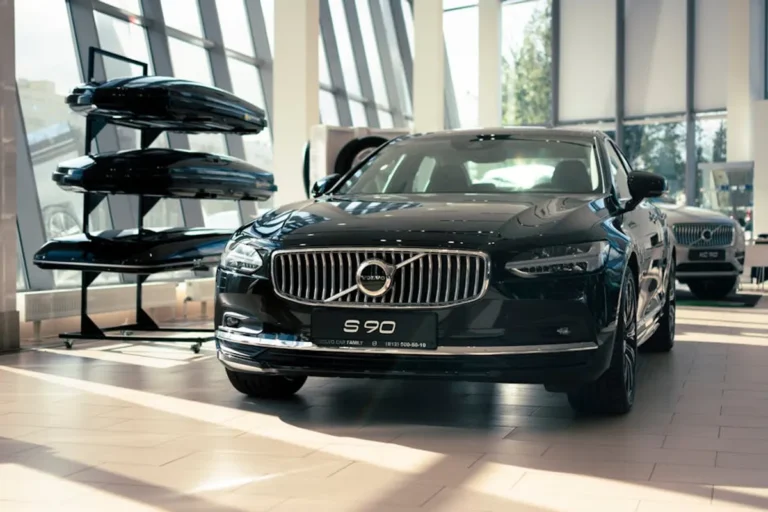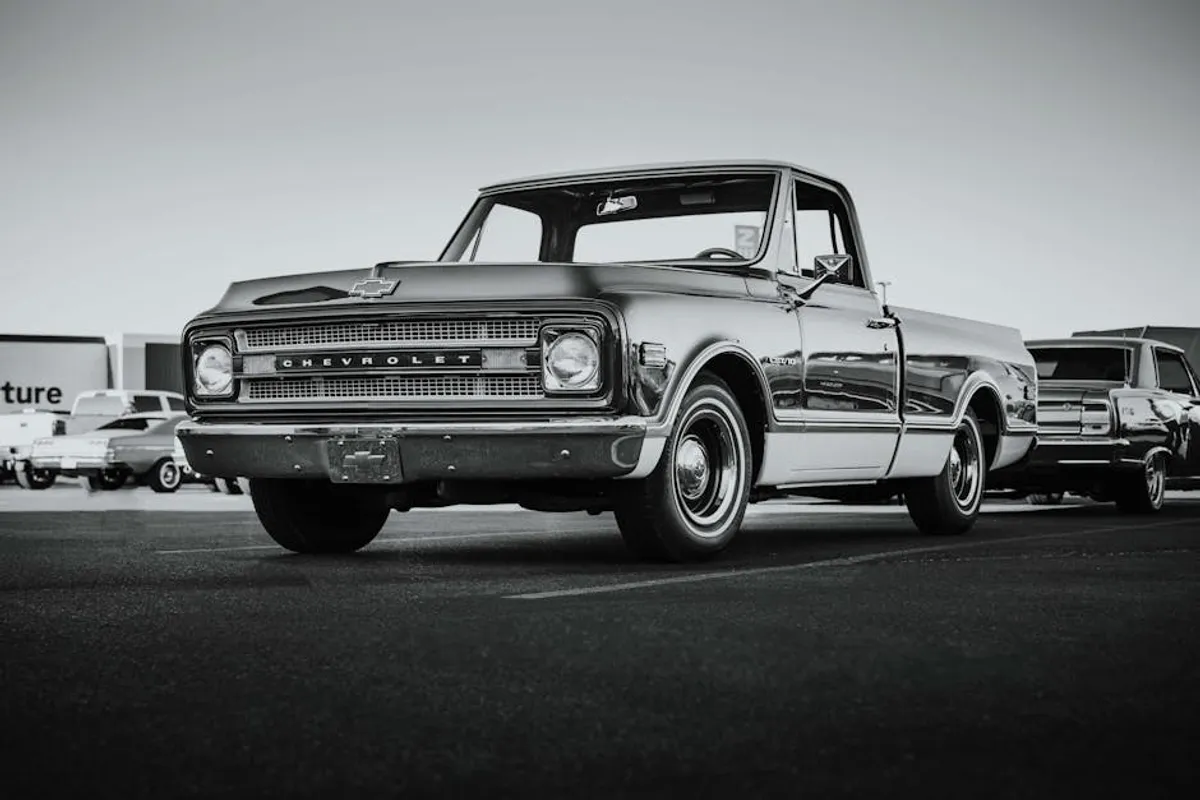
Deciding between an EV pickup truck and a Toyota Land Cruiser represents a fundamental choice between established, rugged reliability and emerging, technologically advanced utility. This isn't merely a preference for gasoline over electric; it's a decision rooted in distinct use cases, long-term ownership considerations, and environmental priorities. Both vehicle types offer significant capability, but their approaches to delivering that capability diverge sharply, impacting everything from daily operation to maintenance and resale value.
Core Capability and Powertrain
The Toyota Land Cruiser has built its reputation on a foundation of mechanical robustness and global expeditionary capability. Its traditional internal combustion engine (ICE) powertrain, typically a V6 or V8, provides consistent power delivery and a well-understood operating profile. This includes a conventional transmission and a proven four-wheel-drive system designed for demanding off-road conditions and heavy-duty use in remote areas where fuel infrastructure is reliable.
EV pickup trucks, conversely, leverage electric motors for propulsion. This design offers instant torque delivery, which translates into immediate acceleration and formidable pulling power for towing. Many EV pickups feature multiple motors (often one per wheel or axle), enabling advanced electronic torque vectoring and precise power distribution to individual wheels. This allows for sophisticated traction control and, in some cases, unique off-road modes that can mimic or surpass traditional mechanical locking differentials.
- Land Cruiser Strengths:
- Mechanical simplicity and global repair network for ICE components.
- Consistent performance across varying climates and altitudes.
- Established durability for sustained heavy use.
- EV Pickup Strengths:
- Instant, high torque for towing and acceleration.
- Precise electronic control over power delivery and traction.
- Potentially quieter operation both on-road and off-road.
Range, Fueling, and Charging Infrastructure
Range and how a vehicle is refueled or recharged are critical differentiators. A Land Cruiser relies on gasoline, benefiting from a ubiquitous global network of gas stations. Refueling takes minutes, making long-distance travel and spontaneous trips straightforward, particularly in areas with limited infrastructure. Fuel economy, while improving, remains a factor in operating costs and environmental impact.
EV pickup trucks depend on battery capacity for range and access to charging infrastructure. While range figures for modern EVs are substantial, factors like towing, heavy loads, extreme temperatures, and off-road driving can significantly reduce effective range. Charging times vary from minutes at high-speed DC fast chargers to many hours on Level 2 chargers. The availability and reliability of charging stations, especially in rural or remote areas, remain a primary consideration for EV owners.
Pro Tip: For EV pickup truck buyers, evaluate your typical travel patterns and access to charging. Consider installing a Level 2 charger at home for daily convenience and assess the DC fast charging network along your most frequent long-haul routes. The total cost of ownership extends beyond the sticker price to include your time spent charging and potential infrastructure upgrades.
Cost of Ownership and Resale Value
Initial purchase prices for both vehicle types can be substantial. Land Cruisers traditionally hold their value well due to their reputation for longevity and desirability in specific markets. Maintenance costs for ICE vehicles are well-understood, with routine oil changes, filter replacements, and periodic engine/transmission services.
EV pickup trucks often have a higher upfront cost, though government incentives can offset some of this. Operating costs can be lower due to cheaper electricity compared to gasoline (depending on local rates) and reduced routine maintenance needs (no oil changes, fewer moving parts in the powertrain). However, battery replacement, though infrequent, can be a significant expense later in the vehicle's life. The long-term resale value of EV pickups is still evolving, though early models show strong demand.
Best for lower fuel/maintenance costs (potentially): EV Pickup Trucks
Best for established resale and predictable maintenance: Toyota Land Cruiser
Technology, Practicality, and Environmental Impact
Modern EV pickups often integrate advanced technology beyond their powertrains. This includes large infotainment screens, sophisticated driver-assistance systems, and unique features like Vehicle-to-Load (V2L) capability, which allows the truck's battery to power external tools or even a home during an outage. This transforms the vehicle into a mobile power station, adding a layer of utility for worksites, camping, or emergency preparedness.
The Land Cruiser, while incorporating modern safety and infotainment features, maintains a more traditional approach, prioritizing mechanical robustness over cutting-edge digital integration. Its practicality stems from its straightforward design, proven cargo capacity, and ability to handle diverse conditions without reliance on complex charging infrastructure.
From an environmental perspective, EV pickups produce zero tailpipe emissions. Their overall carbon footprint, however, includes emissions from electricity generation (which varies by grid source) and battery manufacturing. Land Cruisers, as ICE vehicles, produce tailpipe emissions directly, contributing to air pollution and greenhouse gases. The choice here often aligns with an owner's commitment to reducing direct emissions.
Making Your Purchase Decision
The choice between an EV pickup truck and a Toyota Land Cruiser hinges on your primary needs and priorities. If your operations demand unparalleled long-term durability in remote, infrastructure-limited environments, or if you prefer the simplicity and reliability of a globally proven mechanical platform, the Land Cruiser remains a compelling option.
Conversely, if you prioritize instant torque, lower operational emissions, advanced onboard power capabilities, and operate within a reliable charging network, an EV pickup truck offers a forward-looking solution with significant utility. Consider your daily commute, typical towing demands, access to charging, and your long-term environmental goals when weighing these distinct vehicle types.
Frequently Asked Questions
How does towing capacity compare between EV pickups and the Land Cruiser?
EV pickups often boast impressive towing capacities due to instant torque, sometimes exceeding traditional gasoline trucks. The Land Cruiser, while capable, typically has a lower maximum towing capacity compared to heavy-duty pickups, but it excels at sustained towing in challenging conditions.
Are EV pickup trucks good for off-roading?
Yes, many EV pickups are designed with significant off-road capabilities, leveraging electric motors for precise traction control and high ground clearance due to battery placement. However, their weight and battery vulnerability in extreme rock crawling can be considerations.
What is the typical lifespan of a Toyota Land Cruiser?
Toyota Land Cruisers are renowned for their exceptional longevity, with many models reliably exceeding 200,000 or even 300,000 miles with proper maintenance. Their durable construction is a key factor in their high resale value.
What are the main considerations for EV charging on long trips?
For long trips with an EV pickup, key considerations include mapping out DC fast charging stations, understanding charging speeds, accounting for potential wait times at busy chargers, and knowing how factors like weather and towing affect range.