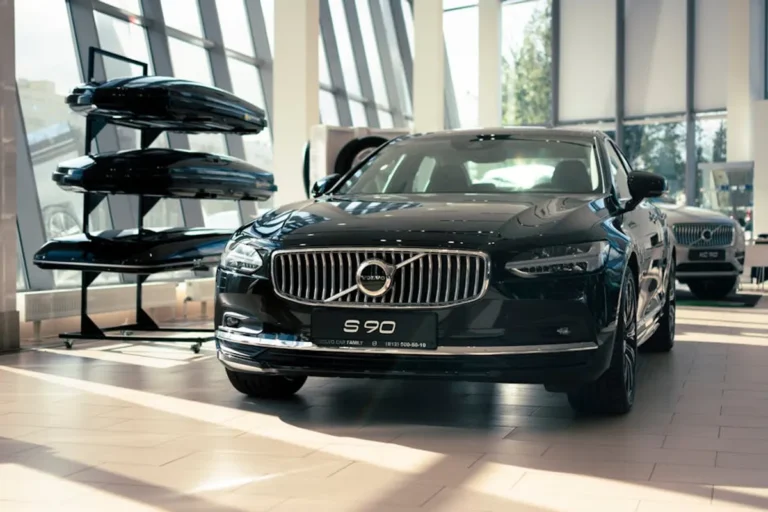
Transitioning to an electric vehicle (EV) involves more than just selecting a car; it requires understanding a new ecosystem of charging, range, and operational costs. For many, the shift from internal combustion engine (ICE) vehicles presents a learning curve regarding battery technology, public infrastructure, and government incentives. This guide outlines the essential factors for making an informed EV purchase, moving beyond traditional considerations to address the specific nuances of electric mobility.
Types of Electric Vehicles
Understanding the fundamental differences between EV types is the first step in determining which best suits your driving habits and infrastructure access.
Battery Electric Vehicles (BEVs)
BEVs operate solely on electricity, drawing power from a battery pack to drive an electric motor. They produce zero tailpipe emissions and require charging from an external source. Their range varies significantly by model, from under 100 miles to over 500 miles on a single charge. BEVs are the purest form of electric mobility, offering quiet operation and instant torque.
Plug-in Hybrid Electric Vehicles (PHEVs)
PHEVs combine an electric motor and battery pack with a traditional gasoline engine. They can operate on electric power alone for a limited range (typically 20-50 miles) before switching to hybrid mode or gasoline power. PHEVs offer flexibility, allowing daily commutes on electricity while eliminating range anxiety for longer trips. They require plugging in to maximize electric driving and fuel efficiency.
Fuel Cell Electric Vehicles (FCEVs)
FCEVs use hydrogen gas to generate electricity through a fuel cell, powering an electric motor. Their only emission is water vapor. While offering quick refueling times similar to gasoline cars, the hydrogen fueling infrastructure is currently very limited, making them a niche option primarily available in specific regions like California.
Critical Factors for EV Selection
Choosing the right EV involves evaluating several key metrics that differ substantially from gasoline vehicle comparisons.
Range and Battery Capacity
Range, measured in miles per charge, is a primary concern for many prospective EV buyers. Battery capacity, typically expressed in kilowatt-hours (kWh), directly influences range. Consider your daily driving needs, typical trip lengths, and access to charging. A larger battery provides more range but often increases vehicle weight and cost. Most modern BEVs offer 200-300 miles of range, suitable for the majority of drivers.
Charging Infrastructure and Habits
Your ability to charge an EV at home, work, or public stations dictates convenience. Home charging (Level 2, 240V) is crucial for daily replenishment, typically adding 20-30 miles of range per hour. Public charging networks offer varying speeds, from Level 2 to DC Fast Charging (Level 3), which can add hundreds of miles in under an hour. Evaluate the prevalence of public chargers along your common routes and the cost of installing home charging equipment.
Performance and Driving Experience
Electric motors deliver instant torque, resulting in rapid acceleration and a smooth, quiet ride. EVs often feature a low center of gravity due to battery placement, contributing to stable handling. Test driving is essential to experience these characteristics firsthand, as the driving dynamics can differ significantly from ICE vehicles. Regenerative braking, which recaptures energy during deceleration, also offers a unique one-pedal driving feel in many models.
Total Cost of Ownership
While EV purchase prices can be higher than comparable ICE vehicles, total cost of ownership (TCO) often favors EVs over time. Factors contributing to TCO include:
- Purchase Price: Initial outlay for the vehicle.
- Incentives: Federal, state, and local tax credits or rebates.
- Fuel Costs: Electricity is generally cheaper per mile than gasoline.
- Maintenance: Fewer moving parts mean lower routine maintenance costs.
- Insurance: Can vary; some EVs may have higher premiums due to technology and repair costs.
Consider a five-year ownership projection to compare the true financial impact.
Government Incentives and Rebates
Various government programs exist to encourage EV adoption. These can include federal tax credits (e.g., up to $7,500 in the U.S. for qualifying vehicles), state-level rebates, and local utility incentives for home charger installation. Eligibility requirements, such as vehicle manufacturing location, battery component sourcing, and buyer income limits, change frequently. Verify current incentives applicable to your specific vehicle choice and location before purchase.
Demystifying EV Charging
Understanding charging options is fundamental to EV ownership, impacting daily convenience and long-distance travel planning.
Home Charging Solutions
Most EV owners charge at home overnight. A standard 120V (Level 1) outlet adds about 2-5 miles of range per hour, suitable for PHEVs or low-mileage BEV drivers. A dedicated 240V (Level 2) charger, installed by an electrician, is recommended for BEVs, providing 20-30 miles of range per hour. This allows for full overnight charging for most models.
Public Charging Networks
Public charging stations are categorized by speed and connector type. Level 2 public chargers are common at workplaces, retail centers, and hotels. DC Fast Chargers (Level 3) are found along highways and major corridors, capable of adding 100-200+ miles of range in 20-40 minutes. Major networks include Electrify America, ChargePoint, EVgo, and Tesla's Supercharger network (increasingly open to non-Tesla EVs).
Connector Standards
The primary EV charging connector types are:
- J1772: Standard for Level 1 and Level 2 AC charging for most non-Tesla EVs in North America.
- CCS (Combined Charging System): Common for DC Fast Charging for most non-Tesla EVs.
- NACS (North American Charging Standard): Tesla's proprietary connector, now adopted by many other automakers for future models.
- CHAdeMO: An older DC Fast Charging standard, less common in new vehicles but still present.
Ensure your chosen EV is compatible with the prevalent charging infrastructure in your area or comes with appropriate adapters.
Pro Tip: Always download and set up accounts for major public charging network apps (e.g., Electrify America, ChargePoint, EVgo) before your first long trip. This streamlines payment and station activation, preventing delays.
Ownership and Long-Term Considerations
Long-term EV ownership presents distinct advantages and considerations compared to ICE vehicles.
Maintenance Differences
EVs typically have lower maintenance requirements. They lack oil changes, spark plugs, timing belts, and complex exhaust systems. Brake wear is often reduced due to regenerative braking. Primary maintenance usually involves tire rotations, cabin air filter replacements, and brake fluid checks. Battery coolant may require periodic service.
Battery Degradation and Warranty
EV batteries experience gradual capacity loss over time and mileage, known as degradation. Most manufacturers provide extensive warranties, typically 8 years or 100,000 miles, guaranteeing a certain percentage of original battery capacity (e.g., 70%). Research specific warranty details for any EV under consideration.
Resale Value Trends
The resale market for EVs is still evolving. Early models saw significant depreciation, but newer, longer-range EVs are retaining value better. Factors influencing resale include battery health, range, technology features, and the availability of new, improved models. As battery technology advances and charging infrastructure expands, resale values are expected to stabilize and potentially strengthen.
Making the Purchase Decision
A structured approach to the final stages of buying an EV can prevent oversights.
Test Drive Checklist
During an EV test drive, focus on:
- Range display accuracy: Does the estimated range align with your expectations?
- Regenerative braking: How does it feel? Can you adjust its intensity?
- Charging port location: Is it convenient for your home setup?
- Infotainment and navigation: Does it effectively integrate charging station locations?
- Cabin noise: EVs are quiet; listen for any unexpected sounds.
- Trunk/frunk space: Evaluate cargo capacity, especially if road trips are planned.
Financial Planning Beyond the Sticker Price
Beyond the vehicle's purchase price, account for:
- Home charger installation: Costs can range from $500 to $2,000 or more, depending on electrical panel upgrades.
- Increased electricity bill: Factor in the cost of charging at home.
- Public charging costs: Varies by network and charging speed.
- Insurance premiums: Obtain quotes for specific EV models.
- Registration fees: Some states have higher registration fees for EVs.
Confidently Electrifying Your Drive
Navigating the electric vehicle market requires a shift in perspective from traditional car buying. By prioritizing range needs, understanding charging options, and factoring in total ownership costs including incentives, buyers can confidently select an EV that aligns with their lifestyle and budget. The immediate benefits of reduced fuel costs and lower emissions, combined with a distinct driving experience, often outweigh the initial learning curve. Focus on what matters most for your daily routine and long-term goals, and leverage the growing resources available to make an informed choice.
Frequently Asked Questions
How long do EV batteries last?
Most EV batteries are designed to last for the lifetime of the vehicle, typically 10-20 years. Manufacturers often provide an 8-year/100,000-mile warranty, guaranteeing a minimum percentage of original capacity (e.g., 70%).
Can I charge an EV in the rain?
Yes, EV charging systems are designed to be waterproof and safe to use in all weather conditions, including rain, snow, and extreme temperatures. The charging ports and cables are sealed to prevent water ingress and electrical hazards.
Are EVs more expensive to insure?
Insurance costs for EVs can vary. Some models may have higher premiums due to higher purchase prices, advanced technology, and specialized repair requirements. However, factors like safety features and driving record also play a significant role. It is advisable to get specific quotes for the EV model you are considering.
What happens if an EV runs out of charge?
If an EV runs out of charge, it will typically enter a "limp mode" to conserve power before coming to a complete stop. Unlike gasoline cars, EVs cannot simply have fuel poured into them. They would need to be towed to a charging station or receive a mobile charge from a service designed for EVs.