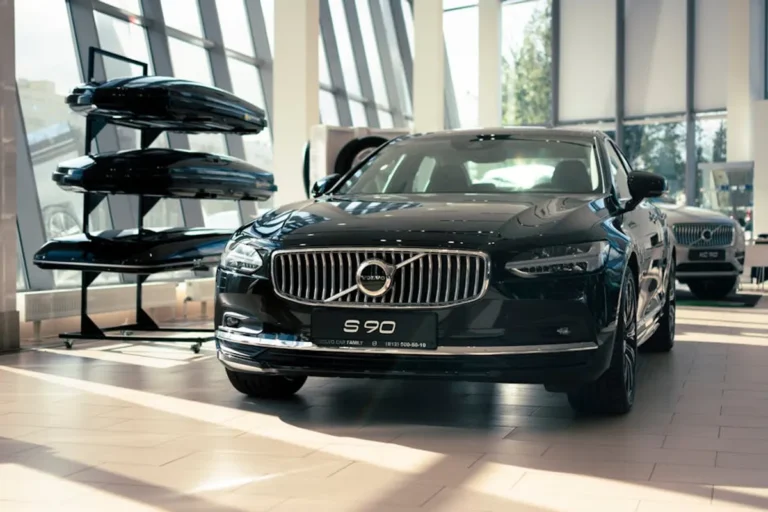
The Cadillac Lyriq, as an all-electric luxury SUV, offers various driving modes designed to tailor the vehicle's performance and feel to different conditions and driver preferences. For potential buyers, a critical question revolves around how these modes influence the vehicle's range and overall battery usage. Understanding these distinctions is key to maximizing efficiency, managing expectations for daily driving, and making an informed purchase decision that aligns with individual usage patterns.
Cadillac Lyriq Driving Modes and Their Core Functions
The Lyriq integrates several distinct driving modes, each adjusting multiple vehicle parameters to achieve a specific driving characteristic. These adjustments typically encompass throttle response, steering effort, suspension stiffness (if equipped with adaptive dampers), and the aggressiveness of regenerative braking. The primary goal is to provide a versatile driving experience, whether prioritizing comfort, performance, or traction in adverse conditions.
- Tour Mode: This is the default setting, designed for everyday driving. It prioritizes a smooth, comfortable ride and balanced power delivery, aiming for optimal efficiency under normal conditions.
- Sport Mode: Engages a more responsive throttle, firmer steering, and a sportier suspension tune. This mode enhances acceleration and handling dynamics for a more engaging driving experience.
- Snow/Ice Mode: Specifically engineered for low-traction environments. It moderates power output and adjusts traction control systems to enhance stability and grip on slippery surfaces.
- My Mode: Allows drivers to customize various settings, such as steering feel, brake response, and powertrain delivery, to create a personalized driving profile.
Direct Impact on Range and Battery Usage
The selection of a driving mode directly influences how the Lyriq consumes energy, thereby affecting its overall range. This is not merely a cosmetic change in driving feel but a fundamental alteration in the vehicle's energy management strategy.
Tour Mode for Efficiency
In Tour Mode, the Lyriq's powertrain is calibrated for a linear and predictable power delivery. The throttle response is less aggressive, discouraging sudden bursts of acceleration that consume significant energy. This mode also typically employs a more relaxed regenerative braking profile by default, which, when combined with smooth driving, can contribute to consistent energy recovery and a longer effective range. For drivers focused on maximizing miles per charge, Tour Mode represents the most efficient default setting.
Sport Mode and Energy Consumption
Activating Sport Mode immediately shifts the Lyriq's focus from efficiency to performance. The heightened throttle sensitivity means that even light pedal inputs can draw more power from the battery, leading to quicker acceleration but also increased energy drain. The firmer steering and potentially stiffer suspension, while enhancing dynamic handling, do not directly consume more battery power significantly. However, the aggressive driving style encouraged by Sport Mode—frequent rapid acceleration and higher cruising speeds—is the primary factor in reducing range. Expect a noticeable reduction in available range when consistently driving in Sport Mode compared to Tour Mode, especially during spirited driving.
Snow/Ice Mode and Range Considerations
Snow/Ice Mode is a safety-oriented setting. Its primary function is to limit wheel slip by reducing instantaneous torque delivery and adjusting traction control parameters. While this mode does not inherently consume more energy, the conditions under which it is used (cold temperatures, increased rolling resistance from snow/ice, potential for wheel spin) are themselves detrimental to EV range. The vehicle's efforts to maintain traction might lead to slightly less efficient power transfer in certain scenarios, but the overriding factor affecting range in these conditions is the environment itself rather than the mode's direct energy consumption.
The Role of Regenerative Braking
Beyond the named driving modes, the Lyriq features adjustable regenerative braking, including One-Pedal Driving. This system recaptures kinetic energy during deceleration and feeds it back into the battery, significantly improving efficiency. While not a "mode" itself, its intensity can often be adjusted independently or is preset within certain driving modes. Higher regenerative braking settings, especially One-Pedal Driving, can substantially extend range by minimizing energy loss during braking, regardless of whether the vehicle is in Tour or Sport mode. Drivers who master its use can achieve range figures closer to, or even exceeding, EPA estimates.
Other Factors Influencing Lyriq Range
While driving modes play a role, several other variables exert a more significant influence on the Lyriq's real-world range:
- Ambient Temperature: Cold weather reduces battery efficiency and requires more energy for cabin heating, decreasing range.
- Driving Style: Aggressive acceleration, hard braking, and high-speed cruising are the biggest detractors from EV range.
- Terrain: Uphill driving consumes more energy, while downhill driving allows for more regenerative braking, potentially recouping some energy.
- HVAC Usage: Running the climate control system (heating or air conditioning) draws power directly from the high-voltage battery.
- Tire Pressure and Type: Properly inflated, low-rolling-resistance tires contribute to better efficiency.
- Payload: Carrying heavy loads increases the energy required for propulsion.
Key Specifications for Range Context
The Cadillac Lyriq is built on GM's Ultium platform, which underpins its range capabilities. The key specifications relevant to range include:
- Battery Capacity: Typically around 102 kWh usable capacity.
- EPA Estimated Range: For the rear-wheel-drive (RWD) model, the EPA estimate is approximately 314 miles. The all-wheel-drive (AWD) model, with its dual motors and higher power output, typically sees an EPA estimate around 307 miles.
- Powertrain: RWD models offer around 340 horsepower, while AWD models deliver approximately 500 horsepower. The additional motor and power in AWD configurations contribute to slightly lower efficiency.
Making an Informed Decision: Buyer Considerations
For potential Lyriq owners, understanding the interplay of driving modes and other factors is crucial for daily usability. The EPA range estimates are a useful baseline, but real-world driving will vary. Consider your typical commute, local climate, and driving habits. If long-distance travel is frequent, prioritizing Tour Mode and mastering regenerative braking will be essential. If performance is a higher priority for occasional spirited drives, be prepared for a corresponding reduction in range. The availability of DC fast charging infrastructure also plays a role, as it can mitigate range anxiety by enabling quick top-ups on longer journeys.
Pro Tip: To maximize your Cadillac Lyriq's range, adopt a smooth driving style, utilize One-Pedal Driving consistently, and pre-condition the cabin while still plugged into a charger in extreme temperatures. This ensures the battery is at an optimal temperature and the cabin is comfortable without drawing significant power from the battery during the initial part of your drive.
Optimizing Your Lyriq Experience
The Cadillac Lyriq's driving modes offer a spectrum of experiences, from serene efficiency to exhilarating performance. While Sport Mode delivers a more dynamic feel, it inherently leads to higher energy consumption and reduced range. Tour Mode, conversely, is calibrated for maximum efficiency under normal driving conditions. The most significant factor in maintaining or extending range, however, remains the driver's habits, particularly the consistent use of regenerative braking and a measured approach to acceleration. By understanding these dynamics, Lyriq owners can effectively manage their vehicle's energy, tailoring the driving experience to the demands of each journey while making the most of the available battery capacity.
Frequently Asked Questions
Does Sport Mode significantly reduce the Cadillac Lyriq's range?
Yes, Sport Mode can noticeably reduce range due to its more aggressive throttle mapping, which encourages higher power draw and more spirited driving. The extent of the reduction depends on how aggressively the vehicle is driven in this mode.
Can I customize individual settings within the driving modes?
Yes, the Lyriq typically offers a "My Mode" feature, allowing drivers to personalize various vehicle settings, such as steering feel, brake response, and powertrain delivery, to create a custom driving profile that balances performance and efficiency according to their preferences.
How much does regenerative braking contribute to the Lyriq's range?
Regenerative braking, especially when using One-Pedal Driving, can significantly contribute to range by recapturing kinetic energy during deceleration and feeding it back to the battery. Its effectiveness is highly dependent on driving conditions and driver input, particularly in stop-and-go traffic or on downhill stretches.
Is the EPA estimated range achievable in real-world driving?
The EPA estimated range is a standardized benchmark. Real-world range can vary due to factors like driving style, speed, ambient temperature, terrain, use of HVAC, and driving mode selection. Aggressive driving or extreme temperatures will generally result in lower actual range than the EPA estimate.