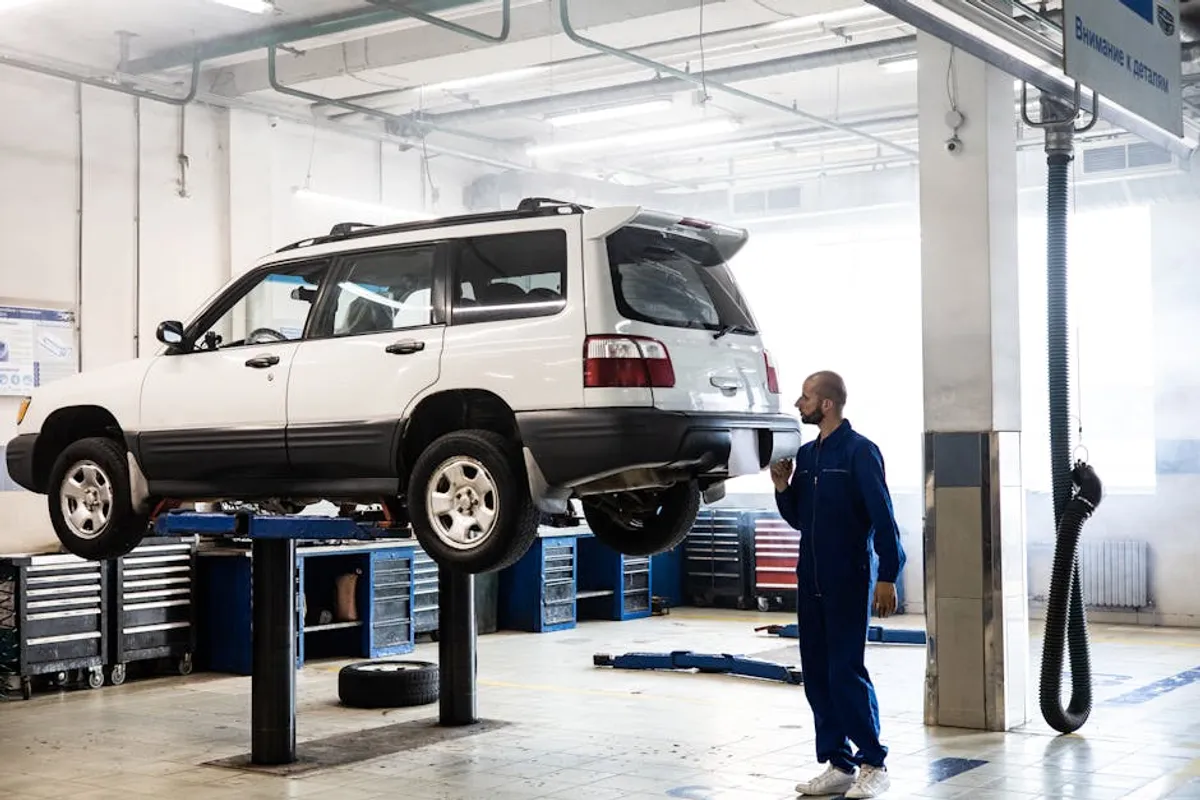
Acquiring a new vehicle, whether fresh from the dealership or a pre-owned purchase, represents a significant investment. For new owners, understanding and implementing a consistent car maintenance schedule is not merely about preserving mechanical function; it directly impacts long-term financial outlay, vehicle safety, and resale value. Proactive maintenance mitigates unexpected repair costs, extends the operational life of components, and ensures the vehicle operates at peak efficiency. This approach shifts focus from reactive, expensive fixes to predictable, manageable upkeep, establishing a foundation for reliable transportation.
Immediate Priorities: What to Check First
Before any long journeys or significant mileage accumulation, new car owners should establish a foundational understanding of their vehicle's specific requirements and operational nuances.
Understanding Your Owner's Manual
The owner's manual is the definitive resource for your specific vehicle model. It details manufacturer-recommended service intervals, fluid specifications, tire pressure guidelines, and explanations for dashboard warning lights. Neglecting this document means missing critical information unique to your car's engineering, potentially leading to incorrect maintenance practices or overlooked service points.
Familiarizing Yourself with Dashboard Indicators
Modern vehicles employ a range of dashboard warning lights, each signaling a specific system status or potential issue. New owners must learn the meaning of common indicators such as the check engine light, oil pressure warning, battery charge warning, and brake system alert. Understanding these signals allows for timely intervention, preventing minor issues from escalating into significant, costly failures.
Regular Scheduled Maintenance Tasks
Consistency in routine checks forms the backbone of a healthy vehicle. These tasks are typically time or mileage-based and are crucial for preventing wear and tear.
Oil and Filter Changes
Engine oil lubricates moving parts, dissipates heat, and cleans internal components. Over time, oil degrades and accumulates contaminants, reducing its effectiveness. Regular oil and filter changes, typically every 5,000 to 7,500 miles or every six months (depending on vehicle and oil type), are fundamental. Using the manufacturer-specified oil viscosity and type (e.g., synthetic, conventional) is critical for engine longevity and performance.
Tire Care: Pressure, Rotation, and Tread Depth
Tires are the sole contact point between the vehicle and the road, directly influencing safety, fuel economy, and handling. This involves three key areas:
- Pressure: Check tire pressure monthly, including the spare, against the manufacturer's recommended PSI (found on a sticker inside the driver's door jamb or in the owner's manual). Incorrect pressure leads to uneven wear, reduced fuel efficiency, and compromised handling.
- Rotation: Rotate tires every 5,000 to 7,500 miles to ensure even wear across all four tires, extending their lifespan.
- Tread Depth: Monitor tread depth regularly using a tread depth gauge or the "penny test." Insufficient tread depth reduces traction, especially in wet conditions, and poses a significant safety risk.
Fluid Checks: Brake, Coolant, Power Steering, Washer Fluid
Various fluids are essential for vehicle operation. Checking their levels and condition regularly prevents critical system failures:
- Brake Fluid: Essential for the braking system. Low or contaminated fluid can indicate worn pads or a leak.
- Coolant: Prevents engine overheating and freezing. Check levels when the engine is cold.
- Power Steering Fluid: Ensures smooth steering. Low levels can lead to stiff steering and pump damage.
- Windshield Washer Fluid: Maintains visibility. Keep it topped off, especially before long trips.
Brake System Inspection
Beyond fluid checks, the entire brake system requires periodic inspection. This includes assessing brake pad thickness, rotor condition, and caliper function. Squealing, grinding, or a spongy brake pedal are indicators requiring immediate professional attention. Typically, brake inspections are part of routine service appointments.
Seasonal and Mileage-Based Checks
Certain components benefit from checks aligned with specific seasons or accumulated mileage, addressing environmental factors and wear over time.
Battery Health
Vehicle batteries are sensitive to extreme temperatures. In colder climates, a weakened battery may fail to start the engine. In hot climates, heat can accelerate battery fluid evaporation, reducing lifespan. Have the battery tested annually, especially before winter or summer, to assess its charge and cranking power.
Wipers and Lighting
Visibility is paramount for safe driving. Inspect windshield wiper blades every six months and replace them if they streak, chatter, or leave unwiped areas. Confirm all exterior lights—headlights, taillights, brake lights, turn signals, and hazard lights—are functional. Dim or non-functional lights compromise safety and can result in legal infractions.
Belts and Hoses
Engine belts (serpentine, timing) and hoses (radiator, heater) degrade over time due to heat, pressure, and chemical exposure. Inspect them for cracks, fraying, bulges, or leaks. A failing belt can disable essential systems like power steering or the alternator, while a burst hose can lead to rapid coolant loss and engine overheating.
Air Filters: Engine and Cabin
The engine air filter prevents dirt and debris from entering the engine, maintaining combustion efficiency. A clogged filter reduces fuel economy and engine performance. The cabin air filter purifies the air entering the passenger compartment, improving air quality and HVAC system efficiency. Both should be inspected annually and replaced as needed, typically every 15,000 to 30,000 miles.
Proactive Habits for Longevity
Beyond scheduled tasks, adopting specific habits enhances vehicle reliability and simplifies future maintenance.
Keeping Records
Maintain a detailed log of all maintenance performed, including dates, mileage, and services rendered. This record helps track service intervals, provides proof of upkeep for warranty claims, and significantly boosts resale value by demonstrating diligent ownership.
Listening to Your Car
Pay attention to unusual noises (squeals, grinding, clunks), vibrations, or changes in how the vehicle drives (pulling, reduced power). These are often early indicators of emerging problems. Addressing them promptly can prevent more extensive and expensive repairs.
Finding a Trusted Mechanic
Establishing a relationship with a reputable, certified mechanic or dealership service center is invaluable. A trusted professional can provide expert diagnostics, perform necessary services, and offer advice tailored to your vehicle's condition and your driving habits.
Pro Tip: Ignoring minor warning signs, such as an illuminated check engine light or a persistent squeak, can lead to cascading failures. A small, inexpensive repair today can prevent a significantly larger, more costly issue tomorrow. Always address vehicle alerts promptly.
Establishing Your Maintenance Rhythm
Consistent, informed maintenance is the most effective strategy for preserving your vehicle's condition and maximizing its operational life. By integrating these checks and habits into your routine, you ensure safety, optimize performance, and protect your investment. The initial effort in understanding these processes yields substantial long-term benefits, translating into reliable transportation and reduced ownership costs.
Frequently Asked Questions
How often should I get my car serviced?
Most modern vehicles recommend service intervals every 5,000 to 10,000 miles or every 6 to 12 months, whichever comes first. Always refer to your owner's manual for precise manufacturer recommendations specific to your make and model.
What does a "tune-up" include today?
The term "tune-up" is less common for modern cars. Instead, service focuses on specific component checks and replacements based on mileage, such as spark plugs, fuel filters, and ignition system components, as outlined in the owner's manual's maintenance schedule.
Can I perform basic maintenance myself?
Many basic tasks like checking fluid levels, tire pressure, and topping up washer fluid are straightforward for new owners. More complex tasks like oil changes or brake inspections may require specialized tools and knowledge, making professional service a safer option for most.
What should I do if a dashboard warning light comes on?
Consult your owner's manual immediately to understand the specific meaning of the warning light. Some lights, like the check engine light, may indicate a minor issue, while others, such as the oil pressure or brake system light, require immediate attention and professional inspection.