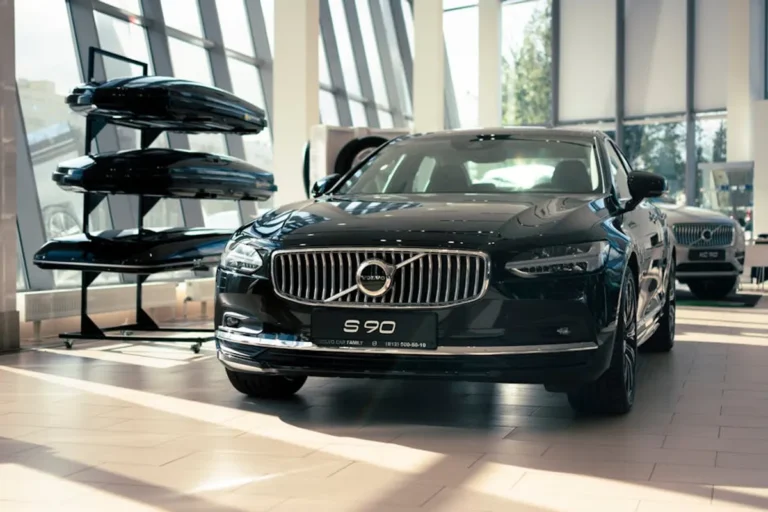
The automotive market operates on a complex interplay of manufacturing capabilities, consumer demand, technological advancements, and global economic factors. For anyone considering a vehicle purchase, relying solely on dealership promotions or general market sentiment can lead to suboptimal decisions. A strategic approach requires understanding the underlying currents shaping vehicle availability, pricing, and long-term ownership costs. This briefing distills key trends and market indicators that directly impact the buyer's journey, providing a framework for more informed choices.
Navigating Supply Chain Dynamics
The stability of the automotive supply chain remains a primary determinant of vehicle availability and pricing. Disruptions, whether from geopolitical events, natural disasters, or industrial capacity limitations, ripple through the entire industry.
Impact of Semiconductor Shortages
While often discussed, the precise impact of semiconductor shortages on specific models bears close attention. These components are integral to everything from engine management systems to advanced infotainment. Persistent shortages mean manufacturers prioritize higher-margin, more popular models, often leaving entry-level trims or less common configurations with extended wait times or reduced feature sets. Buyers should expect fewer incentives on vehicles heavily reliant on these components and prepare for longer delivery timelines, particularly for custom orders.
Raw Material Costs and Production
The cost of raw materials—steel, aluminum, lithium, cobalt, and nickel—directly influences manufacturing expenses. Fluctuations in these commodity markets are passed on to consumers. For instance, rising lithium prices directly affect electric vehicle battery costs, which are a significant portion of the vehicle's total expense. Tracking these trends provides insight into potential price adjustments. Manufacturers often absorb some increases, but sustained high costs inevitably lead to MSRP adjustments or feature reductions to maintain profitability.
Evolving Powertrain Landscape
The transition away from traditional internal combustion engines (ICE) is underway, but the pace and form of this transition vary widely, creating distinct considerations for buyers.
Electric Vehicle (EV) Market Trends
The EV market continues to expand, driven by regulatory pressures and consumer interest in sustainability and lower running costs. Buyers should monitor advancements in battery technology, which directly influence range and charging speed. The expansion of public charging infrastructure, particularly DC fast charging, addresses a key concern for many potential EV owners. Government incentives, such as federal tax credits or state-level rebates, can significantly alter the total cost of ownership, but these programs often have specific eligibility criteria based on vehicle price, battery capacity, and manufacturing origin.
Hybrid and Plug-in Hybrid (PHEV) Relevance
Hybrid and PHEV vehicles serve as effective transitional technologies. Hybrids offer improved fuel efficiency without requiring external charging, while PHEVs provide a limited all-electric range for daily commutes before switching to hybrid operation. These options appeal to buyers seeking reduced fuel consumption and a stepping stone to full electrification, particularly if their driving patterns involve frequent short trips or they lack consistent access to EV charging infrastructure at home or work.
Internal Combustion Engine (ICE) Longevity
Despite the shift towards electrification, ICE vehicles remain the dominant segment. Investment in new ICE powertrain development is declining, with manufacturers focusing resources on EV platforms. Buyers of new ICE vehicles should consider potential future restrictions in certain urban areas or the long-term impact on resale value as EV adoption accelerates. However, for buyers prioritizing lower upfront costs, established fueling infrastructure, and proven technology, ICE vehicles continue to offer a reliable option.
Financial Considerations and Market Shifts
Beyond the sticker price, the total cost of vehicle ownership is heavily influenced by financing, depreciation, and insurance.
Interest Rate Fluctuations
Automotive loans are sensitive to prevailing interest rates. Even small increases in the annual percentage rate (APR) can significantly raise the total cost of a vehicle over a typical 60- to 72-month loan term. Buyers should secure pre-approvals and compare rates from multiple lenders to understand their borrowing power and minimize financing expenses. A quarter-point rate change on a $40,000 loan over five years can add hundreds to the total cost.
Used Car Market Volatility
The used car market often mirrors new car availability. When new vehicle production is constrained, demand and prices for used cars typically rise. Conversely, increased new car inventory can lead to a softening of used car prices. Depreciation rates vary significantly by make, model, and powertrain type. EVs, for instance, have shown varied depreciation patterns depending on battery health and technological obsolescence. Buyers should research specific models' depreciation curves to anticipate future resale values.
Insurance Premium Changes
Insurance premiums are influenced by a vehicle's repair costs, safety ratings, and theft rates. Vehicles equipped with advanced driver-assistance systems (ADAS) can sometimes incur higher repair costs due to the complexity of sensor calibration and component replacement. Similarly, certain high-demand or easily-stolen models may face elevated premiums. Buyers should obtain insurance quotes for specific models before finalizing a purchase to understand the full financial commitment.
Pro Tip: Always calculate the total cost of ownership (TCO) for any vehicle under consideration. This includes not just the purchase price and financing, but also fuel/charging costs, insurance, maintenance, potential repairs, and estimated depreciation over your anticipated ownership period. Online TCO calculators can provide valuable comparative data.
Technology and Safety Innovations
Modern vehicles integrate increasingly sophisticated technology, impacting both user experience and safety.
Advanced Driver-Assistance Systems (ADAS)
ADAS features, such as adaptive cruise control, lane-keeping assist, automatic emergency braking, and blind-spot monitoring, are becoming standard across many vehicle segments. Buyers should understand the specific capabilities and limitations of these systems. While they enhance safety, their effectiveness varies between manufacturers and implementations. Independent safety ratings from organizations that test ADAS performance provide objective data for comparison.
Infotainment and Connectivity
Infotainment systems now offer seamless smartphone integration (Apple CarPlay, Android Auto), over-the-air software updates, and subscription-based services (e.g., navigation, Wi-Fi hotspots). Buyers should evaluate the intuitive nature of the interface, the responsiveness of the screen, and the long-term costs associated with connectivity subscriptions. These features contribute significantly to the daily user experience.
Regional and Regulatory Influences
Local and national policies play a substantial role in shaping the automotive landscape and buyer decisions.
- Emissions Standards: Stricter emissions regulations in certain regions accelerate the shift towards cleaner vehicles, potentially impacting the availability and pricing of high-emission ICE models.
- Local Incentives: Beyond federal programs, many states or municipalities offer incentives for EV purchases, charging infrastructure installation, or even preferential parking.
- Congestion Charges/Low Emission Zones: Some major cities implement charges or restrictions for vehicles entering specific zones based on their emission levels. This can significantly impact the practicality and cost of owning certain vehicles if you frequently drive in these areas.
- Registration Fees and Taxes: These vary by location and can sometimes be higher for EVs or vehicles with specific fuel types, depending on local government revenue strategies.
Strategic Buying in Today's Automotive Landscape
The automotive market is dynamic, characterized by rapid technological evolution and shifting economic pressures. Buyers who remain informed across these various dimensions—supply chain health, powertrain trends, financial indicators, technological advancements, and regulatory changes—are better positioned to identify value, mitigate risks, and make a purchase that aligns with their needs and budget. Proactive research and a willingness to adapt to market realities are key to navigating this complex environment successfully.
Frequently Asked Questions
How can I track current car prices effectively?
Regularly consult manufacturer websites for MSRPs, use reputable automotive pricing guides that track transaction prices, and monitor inventory levels at local dealerships. Be aware that advertised prices may not reflect actual transaction prices, especially in high-demand segments.
Should I buy new or used in the current market?
The decision depends on specific market conditions, your budget, and priorities. When new car inventory is low and prices are high, used car prices often rise in response. Conversely, increased new car production can soften used car values. Evaluate the total cost of ownership for both options, considering depreciation, financing rates, and warranty coverage.
What's the biggest factor affecting EV adoption?
While range anxiety and charging infrastructure remain significant, the upfront purchase price of EVs is a primary barrier for many buyers. As battery costs decrease and manufacturing scales, EV prices are expected to become more competitive with comparable ICE vehicles, accelerating adoption.
How important are ADAS features for resale value?
ADAS features are increasingly expected by buyers, and vehicles equipped with comprehensive and well-regarded systems tend to hold their value better. As these technologies become standard, their absence can negatively impact a vehicle's attractiveness in the used market.